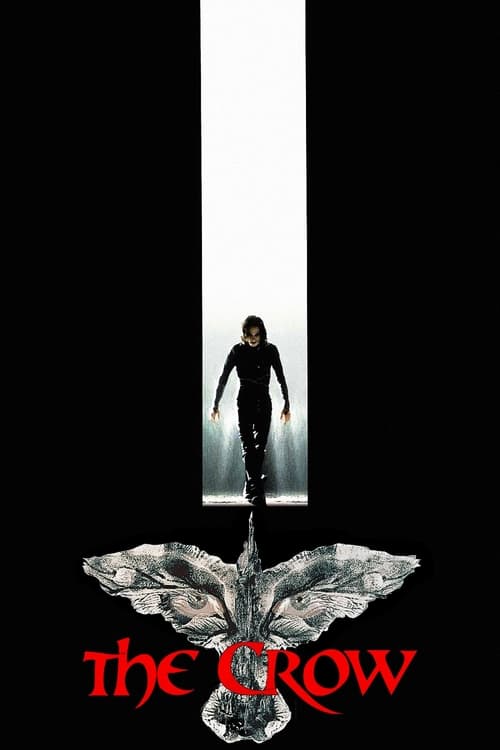
The Crow (1994)
Directed by Alex Proyas
No · Ultra Based
How we score movies →Consciousness Markers
The cast includes actors of various ethnic backgrounds naturally integrated into the story, reflecting 1994 mainstream casting practices without explicit representation messaging.
No LGBTQ+ themes, characters, or subtext present in the film.
No feminist messaging or gender consciousness. The narrative centers on male revenge fantasy with female characters serving supporting roles.
No explicit racial themes or consciousness-raising about race, despite diverse cast members.
No environmental or climate-related themes or messaging.
No anti-capitalist messaging or class critique present in the revenge narrative.
No body positivity themes or commentary on physical appearance and acceptance.
No representation or discussion of neurodivergence in the film.
Contemporary supernatural fantasy with no historical setting or revisionist historical narrative.
The film does not lecture audiences about social issues, instead focusing on aesthetic and narrative execution.


Synopsis
Exactly one year after young rock guitarist Eric Draven and his fiancée are brutally killed by a ruthless gang of criminals, Draven, watched over by a hypnotic crow, returns from the grave to exact revenge.
Why it received this score
The Crow stands as a monument to 1990s gothic sensibility, a film so thoroughly committed to revenge fantasy and visual excess that it scarcely notices the social world beyond its diegesis. Brandon Lee's final performance carries the narrative of a murdered musician returning from death to execute his killers with supernatural efficiency, and the film pursues this premise with admirable single-mindedness. Director Alex Proyas constructs an aesthetic experience rather than a moral argument, deploying industrial rock soundscapes, heavy makeup, and expressionist cinematography to create an atmosphere of pure vengeance unconcerned with larger social frameworks.
The film's cast includes actors of various backgrounds, but they function within the story as character types rather than vectors for representation. Bai Ling, Ernie Hudson, and others occupy roles that serve the revenge narrative without any reflexivity about their presence or identities. This is not a film that pauses to consider questions of representation or social consciousness. It moves forward through its plot with the relentless momentum of a supernatural force, indifferent to contemporary cultural debates.
What emerges from The Crow is a work of pure aesthetic commitment, a film that treats the revenge narrative and gothic atmosphere as sufficient unto themselves. The social consciousness that would later become dominant in mainstream cinema barely registers here. This is not a deficiency, but rather the film's fundamental nature: a stylistic exercise in the transgressive and the darkly beautiful, operating in a register entirely separate from the progressive sensibilities that would eventually reshape American cinema.
Analysis generated by our Consciousness Algorithm
Critic Reviews
“The Crow imbues its comic brutalism with emotion and satire. Too raw and pulpy, it probably shouldn't be regarded as a memorial to Brandon Lee. But as an obsessive rock 'n' roll comic book movie shocker of loony intensity, it stands, or flies, by itself.”
“It is a stunning work of visual style - the best version of a comic book universe I've seen - and Brandon Lee clearly demonstrates in it that he might have become an action star, had he lived.”
“If he had to die so soon, this movie is the best and most appropriate sendoff Lee could have hoped for.”
“It succeeds in bringing O'Barr's comic-book vision to life, but there's little else going on behind the graphic razzle-dazzle and the moody, ominous soundtrack.”