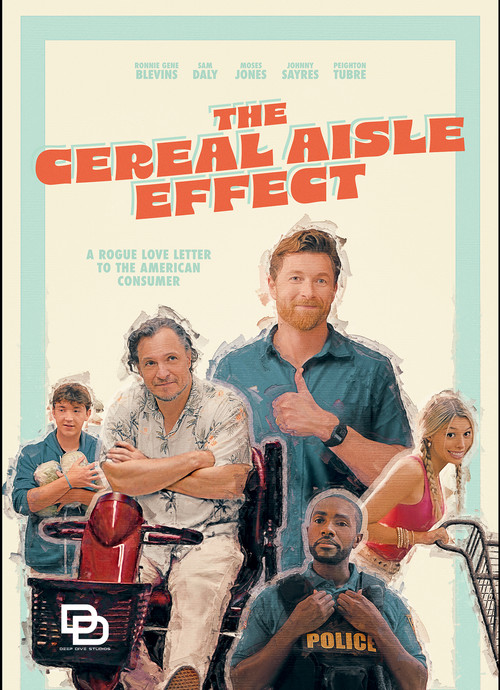
The Cereal Aisle Effect (2026)
Directed by Peter Skillman Odiorne
No · Ultra Based
How we score movies →Consciousness Markers
The film is set inside a grocery store and has been described as 'a rogue love letter to the American consumer' examining 'abundance' and 'a world that already has everything.' This framing suggests a gentle critique of consumer culture, though it appears to stop well short of full anti-capitalist advocacy.
The 'strangers forced together learn to connect' structure is a reliable delivery mechanism for earnest life lessons, and the film's stated themes of 'connection, empathy, and fragile humanity' suggest a screenplay with things it very much wants to say. The sermonizing appears gentle rather than aggressive, but it is present.
A four-person ensemble that includes one Black actor (Moses Jones) achieves modest demographic diversity without any apparent thematic emphasis on that diversity. The casting reflects reasonable proportionality rather than programmatic intent.
A hurricane serves as the inciting plot device. There is no evidence it is framed as a climate change metaphor, though the vague possibility lingers in the air like a low-pressure system nobody has named yet.
No LGBTQ+ characters, themes, or subplots are present in any available description or critical material.
No feminist themes are discernible from the premise, marketing, or available critical notes. The film's concerns appear to be broadly humanist rather than gender-focused.
Race does not appear to function as a thematic element. The presence of a Black cast member in an ensemble is not, by itself, racial consciousness.
No body positivity themes are present in any available material.
No neurodivergent characters or themes are referenced in any available description or review.
The film is an original contemporary story with no historical setting or revisionist intent.
Synopsis
On Thanksgiving Eve, a looming hurricane strands four strangers inside a small-town grocery market. As the storm stalls and tensions rise, secrets are unearthed, unexpected bonds form, and redemption emerges in the unlikeliest of aisles. A contained dramedy about connection, empathy, and the fragile humanity we find when forced to stop and face each other.
Why it received this score
The Cereal Aisle Effect arrives as a contained dramedy about four strangers trapped in a grocery store by a hurricane on Thanksgiving Eve, which is either a deeply resonant metaphor for American spiritual emptiness or a logistical inconvenience, depending on how much you paid for your ticket. The film, described by the Dances with Films festival circuit as "a rogue love letter to the American consumer," uses the fluorescent-lit abundance of a small-town market to ask whether we have too much of everything except each other. This is a reasonable question. It has been asked before, in slightly different aisle configurations.
The film's consumerism-as-backdrop conceit earns its modest anti-capitalist score honestly. A grocery store stocked to its rafters on the eve of a holiday devoted to overconsumption is not a neutral setting, and the filmmakers appear to be aware of this. The awareness is measured, though, not weaponized. Similarly, the ensemble's racial diversity is proportional and unremarkable in the best sense: Moses Jones occupies a seat at the table without the film apparently requiring him to represent anything beyond his character. That this registers as noteworthy at all says more about the current critical landscape than about the film. The hurricane itself flirts briefly with climate allegory before apparently deciding it would rather just be a hurricane.
Where the film accrues its social consciousness points most reliably is in its architecture. The "strangers locked in a room until they achieve emotional breakthrough" format is a proven vessel for the delivery of life lessons, and the press materials confirm that secrets are unearthed, bonds form, and redemption emerges. The film seems to believe in empathy with a sincerity that is both its greatest virtue and its most predictable quality. We have been to this grocery store before. The prices have not changed.
Analysis generated by our Consciousness Algorithm