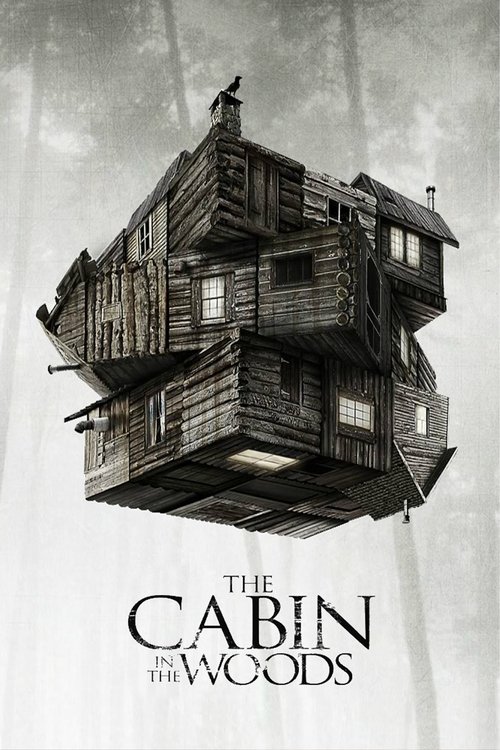
The Cabin in the Woods (2012)
Directed by Drew Goddard
No · Ultra Based
How we score movies →Consciousness Markers
The film features a racially diverse ensemble cast including Black and Asian American actors, but this diversity is not thematically foregrounded or treated as ideologically significant.
The film depicts a sinister corporate organization controlling events for profit, but this critique remains superficial and is not developed with ideological commitment.
The film features a capable female protagonist who survives and makes key decisions, but contains no explicit feminist messaging or agenda.
While the cast is racially diverse, the film contains no explicit racial consciousness or commentary on race and identity.
While the film contains meta-commentary about horror genre conventions, it does not lecture the audience about social or political issues.
No LGBTQ+ themes, characters, or content are present in the film.
No environmental or climate-related themes appear in the film.
No body diversity, body positivity messaging, or commentary on physical appearance appears in the film.
No representation of or discussion regarding neurodivergence is present in the film.
The film contains no historical revisionism or reinterpretation of past events.


Synopsis
Five friends set out for a weekend at a remote cabin in the woods, expecting nothing more than fun and relaxation. As night falls, they discover that something far more unsettling is at work and that nothing about their getaway is what it seems.
Why it received this score
The Cabin in the Woods arrives as a meta-textual deconstruction of horror genre conventions, a film preoccupied with the mechanics of storytelling rather than the mechanics of social consciousness. Drew Goddard's 2012 exercise in genre subversion features a racially diverse ensemble cast, yet this diversity functions as demographic accident rather than ideological statement. The film concerns itself with corporate manipulation and institutional control, but frames these themes through the lens of genre critique rather than systemic analysis.
The narrative architecture reveals a shadowy organization orchestrating elaborate scenarios for entertainment purposes, which one might generously interpret as anti-capitalist satire. Yet the film pursues this angle with the commitment of a film historian explaining jump cuts to an uninterested audience, never settling into genuine ideological fervor. The female protagonist, while capable and central to the plot, exists in a landscape of horror tropes rather than feminist reclamation. The cast includes Black and Asian American actors, but they function as characters within a genre exercise, not subjects of cultural representation worth celebrating.
This is a film about movies and the stories we tell ourselves about movies. It is not a film about justice, identity, or the social structures that shape our world. For those seeking contemporary progressive sensibilities in their horror-comedy, this 2012 artifact offers only the accidental diversity of an ensemble piece and the faint echo of institutional critique buried beneath layers of meta-narrative irony.
Analysis generated by our Consciousness Algorithm
Critic Reviews
“The Cabin in the Woods isn't merely another "Scream" exercise in self-awareness, or a "Scary Movie" spoof of the same. It's a wickedly smart hybrid mutation, biting the severed hand feeding the genre.”
“By the time the ride is over, director Drew Goddard and co-writers Goddard and Joss Whedon will change course three or four times, nodding and winking but never losing momentum. ”
“It's an exercise in metafiction that, while providing grisly fun, never distances viewers. And it's entertaining, while asking the same question of viewers and characters alike: Why come to a place you knew all along was going to be so dark and dangerous?”
“A creepfest so stupid it makes trashy slash-and-burn epics like "Humans Versus Zombies" and "I Spit on Your Grave" seem like Molière and Proust. ”