The Boy in the Striped Pyjamas (2008)
Directed by Mark Herman
No · Ultra Based
How we score movies →Consciousness Markers
The Holocaust itself is fundamentally about racial persecution, so the film inherently deals with the consequences of racial ideology. However, it does not articulate anti-racist positions or engage in contemporary discourse about race.
The film maintains dramatic tension and emotional authenticity rather than preachy exposition. The ending sequence carries implicit moral weight without explicit moralizing, though some may find the narrative somewhat instructive.
The cast is historically appropriate for the setting but includes no deliberate efforts at diverse representation or contemporary casting decisions. Diversity is absent rather than intentionally addressed.
There are no LGBTQ themes, characters, or subtext in the film. Sexuality is not discussed or represented in any form.
While Vera Farmiga's character has agency as a mother and wife, the film does not engage with feminist themes, gender politics, or female empowerment. Her role is maternal and domestic without commentary.
There is no engagement with climate, environmental, or ecological themes whatsoever. The film is set during World War II and does not address these concerns.
The film does not engage with critiques of capitalism or economic systems. Nazi totalitarianism is the historical subject, not economic exploitation or wealth inequality.
Body positivity is not a theme. The film depicts the physical reality of concentration camp prisoners but does not engage in contemporary discussions about body acceptance or normalization.
There is no representation of neurodivergent characters or engagement with disability as a theme. Mental health and neurodiversity are not addressed.
The film adapts a novelistic interpretation of historical events but does not engage in the kind of contemporary revisionist history that reframes past events through modern ideological lenses.


Synopsis
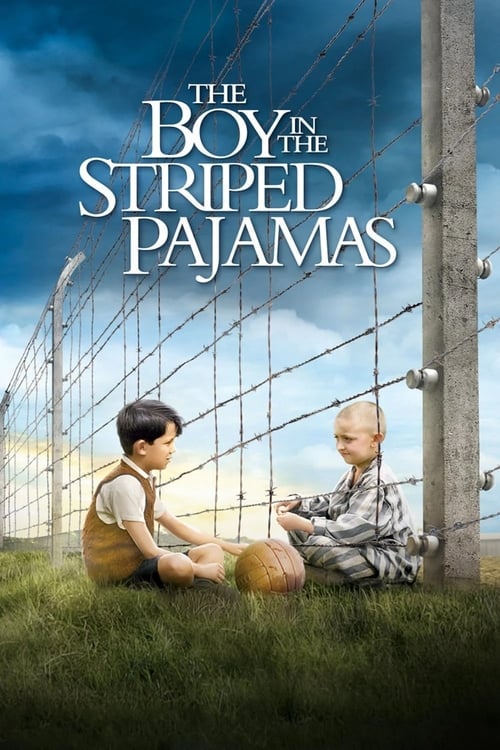
When his family moves from their home in Berlin to a strange new house in Poland, young Bruno befriends Shmuel, a boy who lives on the other side of the fence where everyone seems to be wearing striped pajamas. Unaware of Shmuel's fate as a Jewish prisoner or the role his own Nazi father plays in his imprisonment, Bruno embarks on a dangerous journey inside the camp's walls.
Why it received this score
The Boy in the Striped Pyjamas occupies an unusual position in the cultural landscape. It is a serious, morally urgent film about the Holocaust, yet it exhibits almost none of the markers associated with contemporary progressive sensibilities. The film's power derives from its formal restraint and its commitment to depicting historical tragedy without contemporary ideological apparatus. This restraint is itself a choice, not an accident.
The narrative employs a deliberately limited perspective, filtering the Nazi genocide through the innocent eyes of a child who cannot comprehend the systematic murder occurring around him. This approach generates profound dramatic irony, but it also means the film does not engage in the kind of historical revisionism or explicit social consciousness that characterizes modern progressive cinema. The Jewish characters, while present and sympathetic, are not given voices to articulate their own experience or consciousness. The film treats them as objects of tragedy rather than subjects of their own story, which reflects the source material's limitations rather than any contemporary agenda.
The ensemble cast is predominantly white and European, which is historically appropriate given the setting, but the film makes no effort to interrogate this reality or to complicate it through diverse casting or representation. There is no discussion of gender, sexuality, disability, or economic systems beyond the fundamental historical context. The film is a period piece that respects the period, which paradoxically makes it one of the least progressive films one might encounter. Its moral seriousness comes from historical weight, not from ideological positioning.
Analysis generated by our Consciousness Algorithm