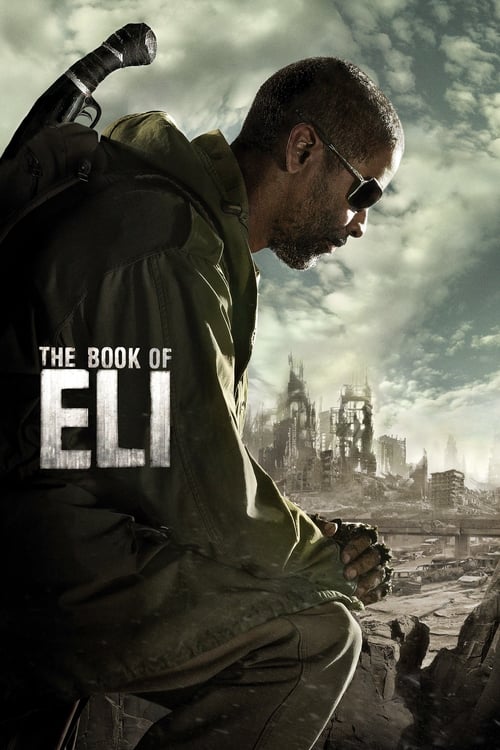
The Book of Eli (2010)
Directed by Allen Hughes
No · Ultra Based
How we score movies →Consciousness Markers
Features a Black protagonist and diverse supporting cast including Mila Kunis, Jennifer Beals, and Ray Stevenson. However, this casting reflects natural representation rather than conscious progressive selection typical of contemporary woke cinema.
The post-apocalyptic setting implies environmental catastrophe, but this serves as atmospheric backdrop rather than thematic message or climate crusade.
Gary Oldman's antagonist hoards knowledge and resources as a tyrant, suggesting conflict with power accumulation, but the film frames this as individual moral corruption rather than systemic capitalist critique.
The film contains spiritual and philosophical subtext but delivers its narrative through action and character rather than preachy exposition or lecture-oriented messaging.
No LGBTQ+ themes, representation, or content present in the film.
Mila Kunis plays Solara, a young woman who becomes a companion to the protagonist, but she remains largely passive within the narrative and serves a supporting function without feminist commentary.
While the protagonist is Black, the film does not engage with contemporary racial discourse or commentary. Race appears incidental to the spiritual and survival narrative.
No body positivity themes or commentary present. The film features standard action cinema physicality without ideological engagement with body diversity.
No representation or thematic engagement with neurodivergence or disability consciousness.
The film is set in a fictional post-apocalyptic future rather than engaging with historical revisionism or reinterpretation of past events.


Synopsis
A post-apocalyptic tale, in which a lone man fights his way across America in order to protect a sacred book that holds the secrets to saving humankind.
Why it received this score
The Book of Eli arrives from an era before progressive cultural consciousness became the dominant lens for film criticism, and it shows. This is a straightforward post-apocalyptic action film dressed in spiritual allegory, with Denzel Washington playing a wanderer devoted to protecting a mysterious book across a ravaged American landscape. The film's concerns are timeless rather than contemporary: faith, redemption, the corruption of power, and the value of knowledge in a world stripped of civilization. Gary Oldman plays against type as a tyrannical antagonist seeking to monopolize information, but the film frames this as individual moral failing rather than systemic oppression requiring deconstruction. The supporting cast includes Mila Kunis and Jennifer Beals, but their presence registers as straightforward casting rather than conscious representation. The Hughes Brothers have crafted a visually austere thriller that engages with spiritual questions, not social justice imperatives. This is a film about the soul, not about demographics. For those seeking contemporary markers of progressive sensibility, we find ourselves in barren territory. The post-apocalyptic wasteland depicted here is less metaphorical commentary on late capitalism and more literal backdrop for a tale of individual heroism and faith.
Analysis generated by our Consciousness Algorithm
Critic Reviews
“The film looks and feels good, and Washington's performance is the more uncanny the more we think back over it. The ending is "flawed," as we critics like to say, but it's so magnificently, shamelessly, implausibly flawed that (a) it breaks apart from the movie and has a life of its own, or (b) at least it avoids being predictable.”
“The Book of Eli works, even if the preservation of Christianity isn’t high on your personal post-apocalypse bucket list. Establishing its storytelling rules clearly and well, the film simply is better, and better-acted, than the average end-of-the-world fairy tale.”
“Washington is surprisingly persuasive as a world-weary blade-wielder, and Oldman makes the most of a not particularly interesting villain. But the film's breakout star may be Kunis, who brings to Solara a blend of sassiness and sexiness that's reminiscent of Michelle Pfeiffer.”
“The Book of Eli combines the maximum in hollow piety with remorseless violence. [18 Jan. 2010, p.82]”