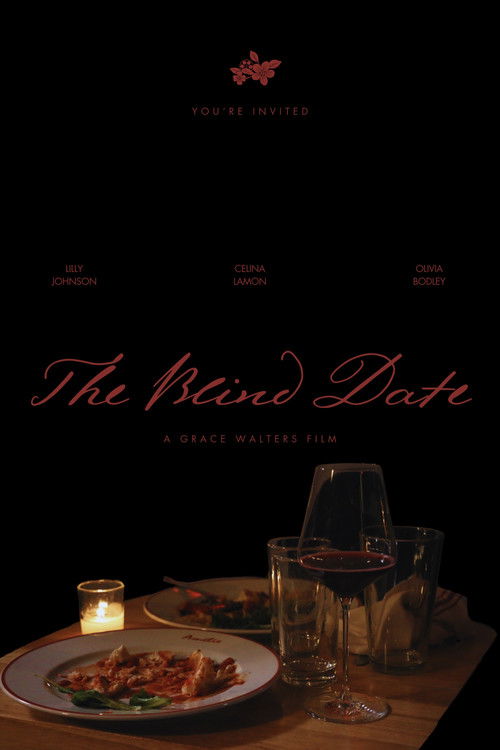
The Blind Date (2026)
Directed by Grace Walters
Yes · Woke
How we score movies →Consciousness Markers
Central narrative is entirely built around queer female romance and reconnection. The entire premise depends on LGBTQ+ identity and relationship dynamics.
The film centers LGBTQ+ characters as the primary romantic leads with no heterosexual framing or explanation. Female-centered cast with diverse representation in supporting roles.
Female characters drive the narrative and make active choices about their romantic lives. However, the film appears focused on romance rather than explicit feminist themes or critique.
Cast appears to include diverse actors, but available information suggests no explicit engagement with racial themes or consciousness in the narrative structure.
The film appears designed to be emotionally engaging rather than preachy, though its cultural self-awareness may create an implicit message about progressive values.
The film appears to accept contemporary New York queer culture as a given rather than reexamining historical narratives. No apparent engagement with historical revisionism.
The New York City setting and implied affluence of characters suggest comfort within capitalist structures rather than critique of them.
No evidence of climate-related themes or messaging in the available plot information or reviews.
No specific information available about body diversity representation or body positivity messaging in the film.
No evidence of neurodivergent representation or themes in available plot descriptions or critical materials.
Synopsis
When a young woman is set up on a blind date in New York City, she realizes quickly her date is her ex-girlfriend and must decide whether to stay or go.
Why it received this score
Grace Walters' "The Blind Date" arrives as a text-perfect expression of contemporary romantic comedy sensibilities, a film that understands its cultural moment with the precision of a sommelier identifying terroir in a particularly challenging vintage. The narrative pivot, wherein a blind date reveals itself to be a reconnection between two former lovers, functions less as a genuine surprise and more as a structural admission that the film's primary interest lies not in romantic discovery but in the affirmation of queer identity and the possibility of second chances within that framework. The Greenwich Village setting, described in press materials with almost anthropological detail, serves as a kind of cultural authentication, a way of saying "this story takes place in a space we have collectively agreed is progressive."
What distinguishes the film from mere representation is its studied commitment to centering the emotional and romantic lives of its female characters without needing to justify or explain their sexuality to an imagined heterosexual audience. The two-hour narrative arc, focused entirely on the navigation of reconnection between former partners, suggests a film that trusts its audience to engage with queer romance as a primary genre rather than as a subplot. Yet this very trust reveals a curious tension: the film's progressive framing is so assured, so complete in its assumption of acceptance, that it risks becoming self-congratulatory about what should be considered baseline inclusion rather than achievement.
The supporting cast and production design work in concert to construct a version of New York City that feels curated for a specific cultural demographic, one sufficiently affluent and urban to spend February 13th on a blind date in Greenwich Village. The film's comedy derives largely from the specific awkwardness of romantic reunion rather than from the fact of queerness itself, which represents a genuine evolution in how such narratives are constructed. Whether this constitutes meaningful artistic progress or merely the commodification of progressive identity remains a question the film itself does not appear to entertain.
Analysis generated by our Consciousness Algorithm
Critic Reviews
“A sometimes hilarious, often wrenching pas de deux between actors Stanley Tucci and Patricia Clarkson.”
“It’s the kind of two-hander that relies solely on the chemistry of the actors, both of whom banter, parry and bum rush their way through various left turns with grace. Their pas de deux almost makes up for this threadbare tragedy’s no-win endgame. Almost.”
“It's about watching two always-fine actors do a lot with very little.”
“Set in a bar that echoes the far superior "Big Night," this labored two-hander plays more like an acting exercise than an actual movie.”