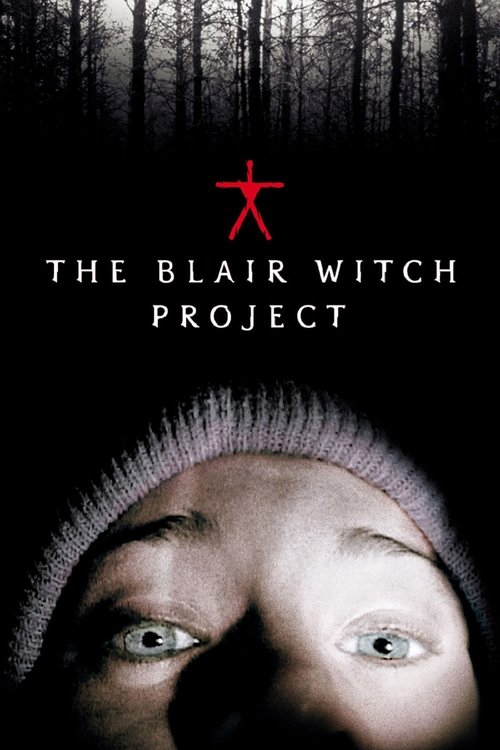
The Blair Witch Project (1999)
Directed by Daniel Myrick
No · Ultra Based
How we score movies →Consciousness Markers
The cast is predominantly white with three white protagonists and minimal racial diversity among the credited cast members.
While Heather Donahue serves as the lead protagonist and a female filmmaker, the film treats her gender matter-of-factly without engaging in explicit feminist critique or consciousness.
No LGBTQ+ representation, themes, or subtext are present in the film.
The film contains no examination of race, racism, or racial dynamics.
There is no environmental messaging or climate advocacy in the film.
The film does not critique capitalism or present anti-capitalist themes.
No body positivity themes or disability representation are present.
There is no representation of neurodivergence or disability in the film.
The film does not reframe or reinterpret historical events.
The film contains no preachy messaging or preachy moralizing about social issues.


Synopsis
In October of 1994 three student filmmakers disappeared in the woods near Burkittsville, Maryland, while shooting a documentary. A year later their footage was found.
Why it received this score
The Blair Witch Project stands as a monument to pre-consciousness horror filmmaking, a work so thoroughly divorced from contemporary cultural awareness that it might as well have been excavated from a different epoch. The film presents three filmmakers, including the capable Heather Donahue as the expedition's leader, venturing into the woods to document a local legend. That one of these protagonists happens to be a woman is treated as a simple fact of casting rather than as a statement of progressive intent. The narrative unfolds with admirable restraint, allowing dread to accumulate through found footage rather than through preachy dialogue or social commentary. We are not lectured about anything, nor should we expect to be.
The film's minimalist approach extends to its complete absence of engagement with any contemporary social concern. There is no examination of race, class, gender as a thematic concern, environmental awareness, or any of the cultural markers that would later define progressive cinema. The cast is predominantly white, the setting is rural Maryland, and the stakes are entirely personal and supernatural. These facts simply exist without commentary or consciousness. The film does not present itself as making any statement beyond the immediate visceral one: three people entered the woods and something went wrong.
What emerges from this analysis is a film utterly innocent of modern progressive sensibility, which is precisely its historical position. The Blair Witch Project is a 1999 artifact, and we should evaluate it as such. It represents a moment before the current cultural moment, when horror films could exist as pure exercises in suspense without bearing the weight of social consciousness. To score it as if it were attempting modern progressive messaging would be to commit an anachronistic error. It achieves its modest woke score not through any active engagement with these themes, but simply through the accident of demographic representation in casting. The film remains what it was designed to be: a scare, nothing more.
Analysis generated by our Consciousness Algorithm
Critic Reviews
“Many of us may have thought that with the world offering so much vivid horribleness every day, movies had lost the power to give us a good cathartic scare. It's a shock -- and a pleasure -- to discover we were wrong.”
“At a time when digital techniques can show us almost anything, The Blair Witch Project is a reminder that what really scares us is the stuff we can't see.”
“While it has its scary moments, and while its central conceit is refreshingly imaginative, there's ultimately not much there there.”