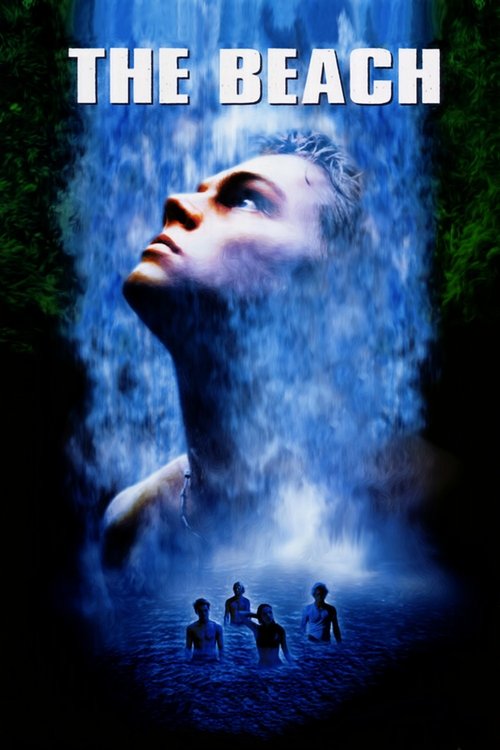
The Beach (2000)
Directed by Danny Boyle
No · Ultra Based
How we score movies →Consciousness Markers
The cast is predominantly white European and American. Thai characters and other people of color appear in background roles without agency or development. The film centers white tourist perspectives almost exclusively.
The film engages with Thailand and Thai culture but only through the lens of Western tourism and orientalist fantasy. No meaningful examination of colonialism, power dynamics, or cultural respect occurs.
Female characters exist in the narrative but primarily as objects of desire or supporting roles. Virginie Ledoyen's character develops some agency, but the film is fundamentally centered on male experience and desire.
The narrative involves escape from consumer society and the search for authentic experience, but this is presented as personal spiritual quest rather than systemic critique. Capitalism itself is never interrogated.
The film occasionally gestures toward philosophical themes about authenticity and community, but these are presented through narrative and character rather than explicit preachiness.
No LGBTQ+ themes, characters, or representation present in the film.
No environmental themes or climate consciousness present in the narrative. The film's production caused environmental damage, but this is not reflected in the story itself.
No body positivity themes present. The film features conventionally attractive actors in a tropical setting, with no commentary on body diversity or acceptance.
No representation of neurodivergence or neurodivergent characters in the film.
The film does not engage with historical narrative or revisionism of any kind.


Synopsis
Twenty-something Richard travels to Thailand and finds himself in possession of a strange map. Rumours state that it leads to a solitary beach paradise, a tropical bliss - excited and intrigued, he sets out to find it.
Why it received this score
Danny Boyle's "The Beach" remains a fascinating artifact of early 2000s cinema, though not for reasons of cultural progressiveness. The film centers on a young American backpacker's quest for an undiscovered island paradise in Thailand, a narrative framework that engages with the Western tourist gaze in ways that are wholly unreflective. Leonardo DiCaprio's Richard is positioned as the enlightened seeker discovering authentic experience beyond the reach of mass tourism, a premise that the film never interrogates with any seriousness. The supporting cast, predominantly white European tourists, reinforces a vision of paradise as a space to be claimed and inhabited by Western travelers, with Thai people and culture serving primarily as scenic backdrop.
The production itself has become infamous for environmental destruction at Maya Bay, which entered the cultural consciousness as a cautionary tale about filmmaking's ecological footprint. However, this external controversy does not translate into narrative engagement with environmental themes. The film contains no meaningful discussion of climate concerns, sustainability, or the ecological consequences of tourism. Similarly, the ensemble cast displays no particular commitment to diverse representation. While Tilda Swinton and a few other actors of color appear in the film, they function within a narrative that centers white experience and Western perspectives almost entirely.
What remains is a film that, despite being produced in a moment when progressive sensibilities were beginning to crystallize, remains fundamentally indifferent to questions of representation, systemic power, or cultural responsibility. It is a product of its era in the most literal sense: a vehicle for a young star's international appeal, built on orientalist fantasy, released with minimal consideration for the social or environmental implications of its own existence.
Analysis generated by our Consciousness Algorithm
Critic Reviews
“An edgy, hypnotic entertainment that's like a Club Med production of "Lord of the Flies."”
“It's a movie to feel. Even when the thinking isn't all there, the emotions are, all the way to the film's poignant last seconds.”
“Cinematographer Darius Khonji does a superb job of conveying both the sensual beauty (there's a spectacular moonlight-on-the-water sex scene with Leo and the lovely Ledoyen), and the darkness of Richard's paradise lost.”