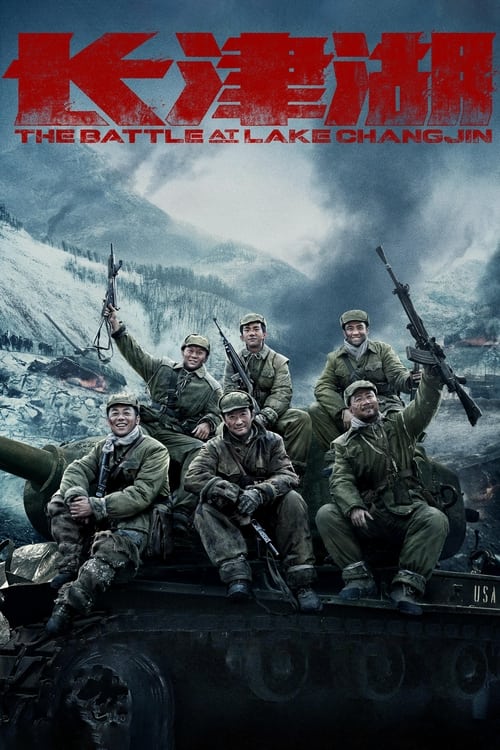
The Battle at Lake Changjin (2021)
Directed by Tsui Hark
No · Ultra Based
How we score movies →Consciousness Markers
The film presents a specifically Chinese nationalist interpretation of the Korean War, emphasizing Chinese agency and heroism while downplaying broader historical complexities and consequences.
The film depicts Chinese resistance to Western military power, which could be read as anti-colonial, but this is framed through nationalism rather than genuine racial consciousness or interrogation of power structures.
The cast is predominantly Chinese, reflecting production and narrative necessity rather than progressive casting choices. Female representation is minimal and confined to peripheral roles.
The film prioritizes action and spectacle over preachy messaging, though nationalist themes are woven throughout. It does not adopt the pedagogical tone of overtly message-driven cinema.
While Americans are depicted as invaders, there is no systemic critique of capitalism or economic exploitation. The film operates within conventional war narrative frameworks.
The film is entirely male-centered with women absent from combat and decision-making roles. It celebrates traditional masculine military virtues without interrogation.
No LGBTQ+ themes, characters, or representation present in the film.
No climate-related themes or environmental consciousness present in the narrative.
The film presents idealized military bodies and does not engage with body positivity discourse or challenge conventional physical standards.
No representation of neurodivergent characters or engagement with disability and neurodiversity themes.


Synopsis
Korean War, winter 1950. In the frozen and snowy area of Changjin Lake, a bloody battle is about to begin between the elite troops of the United States and China.
Why it received this score
The Battle at Lake Changjin is a technically proficient war film that prioritizes spectacle and nationalist sentiment over progressive social consciousness. The narrative centers exclusively on Chinese military heroism during the Korean War, framing the conflict through a lens of patriotic sacrifice rather than any examination of systemic injustice or colonial legacy. While the film features a predominantly Chinese cast, this reflects geographic and production realities rather than any commitment to meaningful representation or cross-cultural storytelling. The soldiers depicted are presented as noble warriors united by duty to nation, not as individuals grappling with structural oppression or social inequality.
The film's ideological commitments are decidedly traditionalist. It celebrates military hierarchy, masculine valor, and unquestioning obedience to state authority. There is no interrogation of war itself, no examination of civilian casualties, and no space for pacifist or anti-militarist perspectives. The American adversaries are portrayed as invaders and occupiers, but this geopolitical criticism does not translate into broader anti-capitalist analysis or systemic critique. The narrative remains firmly wedded to conventional war film conventions: heroic sacrifice, strategic brilliance, and the triumph of will over material disadvantage.
What cultural awareness the film possesses is incidental to its primary purpose, which is celebrating Chinese national pride and military prowess. The absence of female combat roles, the lack of engagement with contemporary social justice frameworks, and the film's embrace of state-sanctioned patriotism place it firmly outside the constellation of modern progressive sensibilities. This is a film about important historical events, executed with craft and ambition, but it operates in an entirely different register from contemporary woke cinema.
Analysis generated by our Consciousness Algorithm
Critic Reviews
“Above-average Korean War blockbuster has powerful moments but is let down by its sheer, exhausting length.”
“Historical fact goes out the window in favor of propagandist myth-making in the Chinese war epic The Battle at Lake Changjin.”
“For all the money spent and pyrotechnics unleashed, this collectively directed and filmed movie never attains the grandeur it strives for.”
“Anyone into big-time action cinema on the largest possible screen will more than get their money's worth, even if the film is simplistic and entirely predictable in its goals.”