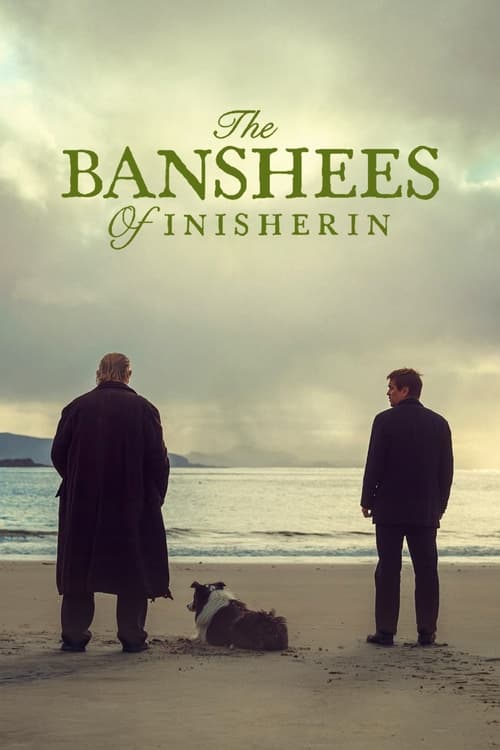
The Banshees of Inisherin (2022)
Directed by Martin McDonagh
No · Ultra Based
How we score movies →Consciousness Markers
McDonagh's dialogue occasionally carries philosophical weight regarding human connection and mortality, though the film stops short of preachy preaching or explicit moral instruction.
The cast reflects the natural demographics of an Irish island village without deliberate representation considerations. Characters are cast for their dramatic fit rather than identity visibility.
No LGBTQ+ characters, themes, or storylines are present in the film.
The film contains minimal female characters who serve peripheral roles. No feminist agenda or commentary on gender dynamics is present.
No racial themes, diversity consciousness, or commentary on racial issues appear in the film.
Climate change and environmental concerns are entirely absent from the narrative.
No critique of capitalism, wealth inequality, or systemic economic injustice is present.
The film contains no body positivity messaging or commentary on physical appearance and acceptance.
No representation of or discussion regarding neurodivergent conditions appears in the film.
While set during the Irish Civil War period, the film does not engage in historical revisionism or reinterpretation of historical events.


Synopsis
Two lifelong friends find themselves at an impasse when one abruptly ends their relationship, with alarming consequences for both of them.
Why it received this score
Martin McDonagh's "The Banshees of Inisherin" concerns itself with the unraveling of a lifelong friendship on a remote Irish island, a subject so determinedly parochial and personal that it would actively repel any mainstream cultural commentary were such a thing attempted. The film is a portrait of male isolation and bitterness, featuring two aging men whose existential malaise has nothing to do with systemic inequality or collective grievance. Farrell's Pádraic and Gleeson's Colm represent the sort of characters who belong entirely to the nineteenth century in their sensibilities, concerned with honor, stubbornness, and the ineffable pain of being left behind by someone you love.
The island setting itself becomes a character, a place so removed from the currents of modern consciousness that contemporary social awareness seems not merely absent but impossible. McDonagh offers no lectures on the human condition, no speeches about justice or equity, only the quiet horror of watching two men destroy what remains of their lives through pride and miscommunication. The women in the film exist primarily as peripheral figures, neither celebrated nor condemned, simply present as they would be in any Irish village. There is no interrogation of gender, no celebration of diversity, no attempt to complicate the viewer's moral comfort.
What emerges instead is a meditation on meaninglessness and connection that operates entirely outside the framework of progressive social consciousness. The film's refusal to engage with contemporary cultural concerns reads not as oversight but as deliberate artistic choice, a commitment to depicting a world that has remained unchanged by the revolutions of sentiment that have swept through the broader culture. In this it succeeds completely, offering nothing to satisfy those seeking confirmation of their values and everything to those content to watch two men quietly destroy each other.
Analysis generated by our Consciousness Algorithm
Critic Reviews
“This is an often shoulder-shudderingly funny film, whose comic dialogue is dazzlingly designed and performed. But McDonagh leaves fate itself with the last, black, bone-rattling laugh.”
“The result feels closer than any of his previous films to the barbed, intimate lyricism of McDonagh’s work as a playwright, and more deeply, sorrowfully felt to boot.”
“The Banshees of Inisherin is a beautifully-shot and deftly-played comedy. It is at once masterful, surprisingly poignant, and profound. Its portrait of a friendship faltering ultimately proves how vital friendship actually is: how vulnerable and naked we are without it.”
“It’s possible to see why McDonagh’s fans love his quirks and clever structural feints (the war of wills in “Banshees” often plays out like variations on a theme), as well as his characters’ willingness not to be liked. But what they find at the end of the filmmaker’s rainbow is less likely to be a pot of philosophical gold than prosaic self-satisfaction.”