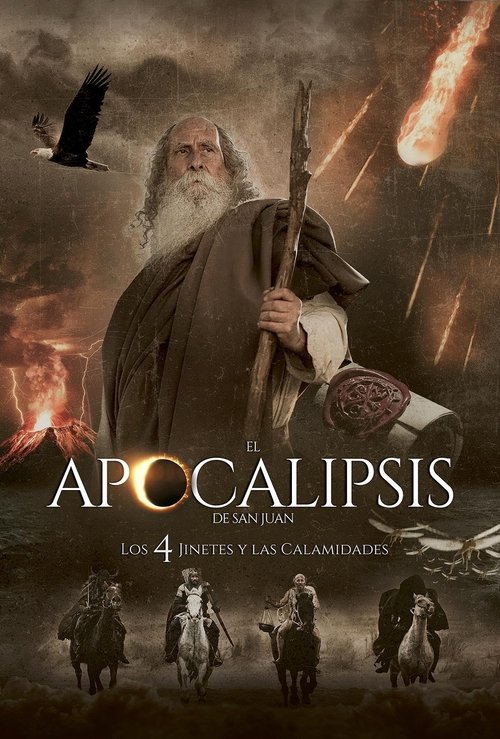
The Apocalypse of St John (2024)
Directed by Simón Delacre
No · Ultra Based
How we score movies →Consciousness Markers
Documentary format provides some instructional tone, but the lectures concern biblical theology and interpretation rather than contemporary social consciousness.
Minimal revisionism. The film interprets Revelation through traditional Catholic teaching and patristic sources rather than progressive reinterpretation.
No diversity initiatives or representation-based casting. Characters determined by theological narrative requirements rather than demographic considerations.
Complete absence of LGBTQ+ themes or representation. The film adheres to traditional biblical narrative without contemporary gender or sexual orientation content.
No feminist reframing of biblical material or gender-consciousness messaging. The film presents orthodox Christian theology without gender revisionism.
No examination of race, systemic racism, or racial themes. The film operates within spiritual rather than social categories.
No environmental messaging or climate advocacy. The apocalyptic narrative concerns spiritual eschatology rather than ecological concerns.
No anti-capitalist themes or critique of economic systems. The film does not engage with class struggle or wealth distribution.
No body positivity messaging or celebration of diverse body types. The film depicts spiritual visions within traditional Christian cosmology.
No representation of neurodivergent characters or celebration of neurodiversity as a positive attribute.
Synopsis
Embark on an epic journey through time and faith with 'The Apocalypse of Saint John.' Join the Apostle John in a stunning visual narrative that unravels the visions of the End Times. Experience each vision like never before, with striking visual effects and epic scenes that immerse you in the apocalyptic narrative.
Why it received this score
Simón Delacre's "The Apocalypse of St John" represents a thoroughgoing exercise in religious orthodoxy, a docudrama that approaches the Book of Revelation with the reverence of a medieval illuminated manuscript. The film traffics exclusively in theological categories rather than social ones, presenting apocalyptic visions through the lens of Catholic teaching and patristic interpretation. One encounters no progressive sensibilities here, no gestures toward contemporary cultural awareness, no effort to reframe ancient scripture through the prism of modern identity discourse.
The production values are considerable, with visual effects deployed to render John's visions in cinematic form. Yet the enterprise remains fundamentally devotional rather than preachy about social consciousness. The film exists to make prophecy comprehensible to audiences, not to interrogate or reimagine it through contemporary ideological frameworks. Its cast, drawn from Latin American performers, reflects geographic provenance rather than representation initiatives. The theological content remains uncontaminated by revisionism of the progressive variety.
This is a film made for those seeking spiritual edification, not social instruction. It occupies a category so remote from contemporary progressive sensibility that assigning it a woke score feels vaguely absurd, like measuring the carbon footprint of a medieval monastery. The work is what it claims to be: a visualization of Christian eschatology, presented with sincerity and without irony.
Analysis generated by our Consciousness Algorithm
Critic Reviews
“A few million extra dollars in the budget might have helped, but this low-rent approach begs the question—if you can't say it well, should you say it at all?”
“Biblical interpretations are completely biased by an uncompromising view of what it considers 'new'...”