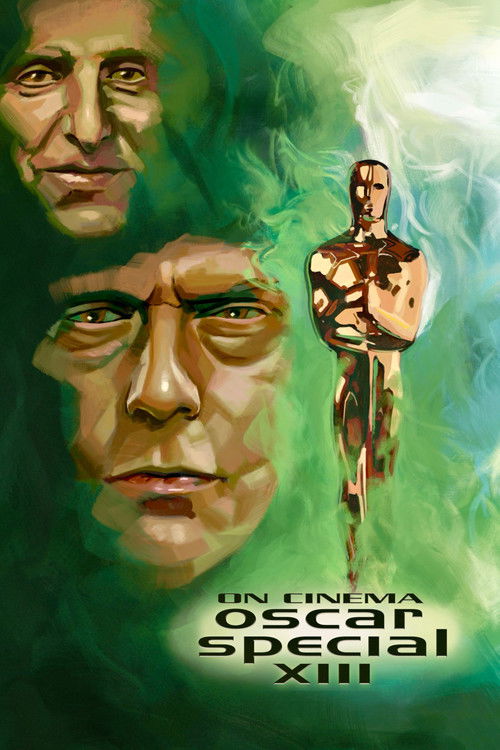
The 13th Annual On Cinema Oscar Special (2026)
Directed by Eric Notarnicola
No · Ultra Based
How we score movies →Consciousness Markers
The cast is predominantly white and male, with minimal representation of women or people of color in credited roles. No evident effort toward diverse hiring.
While the show satirizes YouTube culture, internet media, and low-budget broadcasting aesthetics, it does not mount systematic critique of capitalism itself.
While the show satirizes pretentious film criticism, it occasionally veers into unironic seriousness about its own political themes, undermining comedic distance.
The show centers on male characters and male-dominated comedy traditions. No feminist themes or gender-conscious storytelling evident.
No LGBTQ+ themes, characters, or representation detected in the series or its promotional materials.
The show contains no exploration of racial themes or consciousness. The satire does not engage with racial or ethnic dynamics.
No climate-related themes, messaging, or environmental consciousness present in the show.
The show does not engage with body positivity, body diversity, or related themes.
No representation of or engagement with neurodivergence or related themes.
The show does not attempt to revise or recontextualize historical narratives.
Synopsis
Host and HEI Network CEO New Heidecker has sworn his departure from On Cinema at the Cinema, but frequent Guest Expert Gregg Turkington wants the show to go on... Will this be the last Oscar Special ever. Only one way to find out.
Why it received this score
The 13th Annual On Cinema Oscar Special arrives as the latest installment in a series whose satirical targets have never included progressive social consciousness. The show is fundamentally concerned with the intersection of incompetent amateur film criticism, the aesthetics of public access television, and the personal grievances of two men arguing about movies. The satire operates at the level of media critique and absurdist escalation, not social commentary. One watches these characters fail to understand cinema while their egos collide, not to learn anything about structural inequality or historical injustice. The humor comes from their profound wrongness, their commitment to nonsense, and the sheer duration with which they are permitted to broadcast their confusion. This is comedy about the form of television criticism, not about what criticism ought to contain. Recent critical commentary has noted that the show's incorporation of alt-right political aesthetics and rhetoric feels more like documentation of contemporary unpleasantness than biting satirical distance, suggesting the project has occasionally lost its ironic footing. The cast remains almost entirely male and white, with no evident commitment to representation. There are no LGBTQ+ characters, no feminist themes, no racial consciousness, no environmental messaging, no systematic anti-capitalist argument. The show does not attempt to revise history or center marginalized perspectives. What remains is a comedy about failure, confusion, and the durability of incompetence in the age of internet broadcasting.
Analysis generated by our Consciousness Algorithm