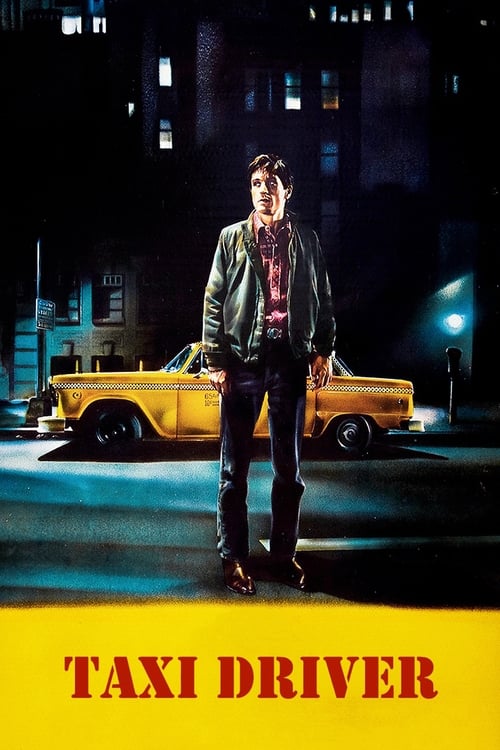
Taxi Driver (1976)
Directed by Martin Scorsese
No · Ultra Based
How we score movies →Consciousness Markers
The film depicts 1970s New York with ethnic and racial diversity shown naturalistically, but without explicit social consciousness or commentary on systemic issues.
Casting reflects 1970s Hollywood norms with limited diversity. Female characters are limited in scope and agency. No contemporary diversity mandates are evident.
The film depicts urban decay and social alienation, but these stem from existential malaise rather than ideological critique of capitalism. No systematic anti-capitalist messaging is evident.
Women are depicted through a disturbed man's misogynistic lens. While the film does not endorse this perspective, it does not interrogate or critique it either. Iris and Betsy lack agency and autonomy.
Travis's mental illness, insomnia, and psychological deterioration are depicted, but not framed through modern neurodivergence consciousness or with any suggestion of acceptance or accommodation.
The film shows rather than tells. There is minimal moral exposition or preachy messaging. Its power derives from ambiguity and refusal to explain or judge its protagonist.
No LGBTQ+ themes, characters, or representation are present in the film.
No climate-related themes or consciousness are present in the film.
Body positivity as a modern sensibility is entirely absent. Bodies are depicted realistically without commentary on standards or acceptance.
No historical revisionism is present. The film is set in contemporary (1970s) New York with no engagement with historical narratives.


Synopsis
Suffering from insomnia, disturbed loner Travis Bickle takes a job as a New York City cabbie, haunting the streets nightly, growing increasingly detached from reality as he dreams of cleaning up the filthy city.
Why it received this score
Taxi Driver stands as a pre-woke artifact of cinema, a portrait of a disturbed man whose alienation and sexual frustration drive him toward violence. The film does not endorse Travis Bickle's worldview; it presents his pathology with clinical precision. Yet this distinction between representation and endorsement is precisely where contemporary analysis becomes treacherous. A modern progressive film would center the trauma of Iris, the child sex worker, and her recovery; Scorsese instead uses her as a catalyst for Travis's redemptive vigilante fantasy.
The film's treatment of women is unflinching in its bleakness. Betsy exists only as an unobtainable object of desire filtered through Travis's distorted perception. Iris has no agency in her own rescue. The violence perpetrated against her pimp is presented as morally justified within the film's logic, yet the film never asks us to celebrate it. This ambiguity is antithetical to woke sensibility, which demands clarity about moral positions.
Scorsese's New York is depicted with sociological detail rather than ideological commentary. The racial and ethnic diversity of the city appears naturally, not as a statement. There is no climate consciousness, no body positivity, no neurodivergence framing beyond the implicit pathology of Travis's condition. The film's power derives from its refusal to explain or moralize. It shows a sick man in a sick city and lets viewers draw their own conclusions. This restraint, combined with its 1976 vintage, places it squarely outside the contemporary progressive sensibility.
Analysis generated by our Consciousness Algorithm
Critic Reviews
“A brilliant nightmare and like all nightmares it doesn't tell us half of what we want to know.”
“One of Scorsese's most influential and disturbing films on the big screen. [20th Anniversary Release]”
“Its deeply anarchic sensibility has kept Taxi Driver fresh all these years. [20th Anniversary Release]”
“The movie has an air of recent discovery, of shocked innocence about the tawdry quality of city life that is gratingly naive. The film goes most disastrously wrong when it tries to turn slice-of-life realism into full-scale melodrama.”