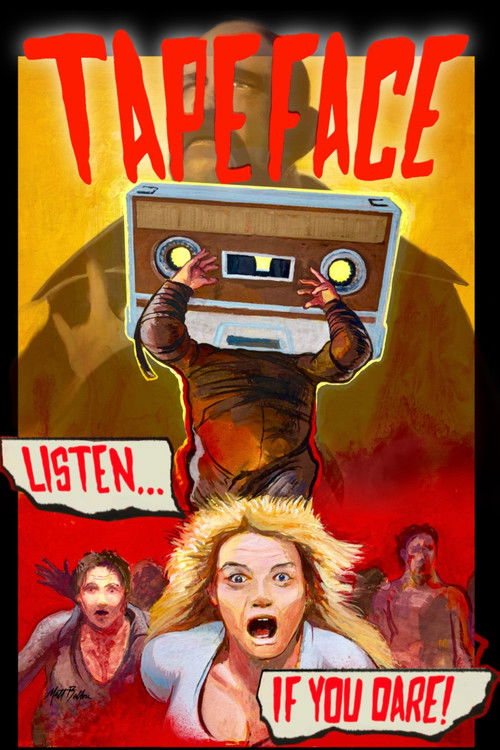
TAPE FACE (2026)
Directed by Jesse R. Slade
No · Ultra Based
How we score movies →Consciousness Markers
The film appears designed to entertain through scares and practical effects rather than deliver moral lessons or social commentary. The only lecture-adjacent element would be if the supernatural consequences serve as implicit moral instruction about the dangers of purchasing mysterious boxes.
The cast appears selected for their acting ability rather than demographic representation. No apparent effort to balance casting according to contemporary diversity standards, though the ensemble does naturally include both male and female performers.
No detectable feminist agenda or commentary. The film appears to treat its male and female characters equally as potential victims of the supernatural threat, without commentary on gender dynamics or power structures.
Despite the record store setting, which might suggest commentary on consumer capitalism or nostalgia, the film uses this merely as plot convenience. There is no detectable critique of capitalist systems or wealth inequality.
No evidence of LGBTQ+ themes, characters, or representation in the available plot synopsis or critical reception. The 30-minute runtime and straightforward horror premise provide little room for such thematic development.
No apparent engagement with racial themes or consciousness. The cast includes individuals of varying backgrounds, but the film shows no signs of foregrounding or examining racial issues as part of its narrative.
Completely absent. A haunted box horror short has no thematic connection to environmental concerns or climate advocacy.
Completely absent. Horror films typically do not foreground body positivity messaging, and this film's focus on scares and practical kills offers no evidence of such themes.
No representation or thematic engagement with neurodiversity. The short runtime and straightforward horror premise provide no indication of such content.
Completely absent. This is a supernatural horror film with no historical setting or revisionist historical claims.
Synopsis
Record store owner buys a box of used things and finds way more than what he was bargaining for
Why it received this score
Tape Face is a 30-minute horror short that concerns itself with the timeless craft of scaring its audience, a refreshingly straightforward ambition in an era of increasingly complicated cultural agendas. The film follows a record store owner who acquires a mysterious box of used items, leading to supernatural consequences that unfold through practical effects and what early viewers describe as competent joke writing. Director Jesse R. Slade has constructed something that operates entirely within the genre conventions of indie horror, complete with atmospheric tension and tangible production values that suggest genuine commitment to the craft.
The film's cultural positioning is notably neutral. There is no discernible attempt at representation casting beyond what the story naturally requires, no subplot devoted to examining systemic inequities, and no moment where the narrative pauses to lecture the audience about contemporary social issues. The ensemble cast, which includes both men and women, appears selected for their ability to inhabit characters and react convincingly to horror, not as a deliberate statement about demographic balance. This is horror made by people interested in horror, which is a perfectly legitimate artistic choice.
What this film demonstrates is a complete indifference to the cultural frameworks that dominate contemporary cinema. There is no attempt to engage with progressive sensibilities, no visible effort to deconstruct systems of power, and no subtext suggesting the supernatural threat carries metaphorical weight regarding social structures. Tape Face occupies the rare position of being entirely unburdened by the cultural weight that contemporary cinema often carries. Whether this represents artistic purity or simply a filmmaker focused on practical kills and atmospheric dread remains, from a critical standpoint, largely irrelevant to the assessment at hand.
Analysis generated by our Consciousness Algorithm