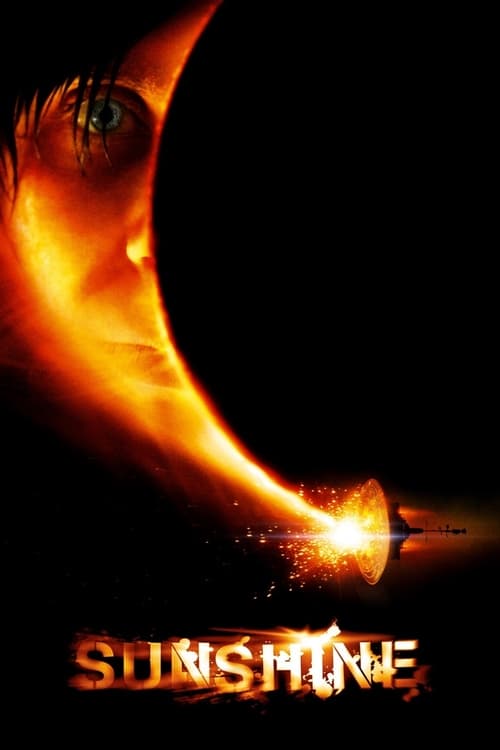
Sunshine (2007)
Directed by Danny Boyle
No · Ultra Based
How we score movies →Consciousness Markers
While the premise involves environmental catastrophe, the film treats it as a hard sci-fi scenario rather than climate activism. No messaging about climate change causes or responsibility is present.
The ensemble cast includes actors from multiple ethnic backgrounds (Yeoh, Sanada, Curtis, Wong), but the film makes no conscious effort to highlight or celebrate this diversity. The casting appears practical and unremarkable.
There are no LGBTQ+ themes, characters, or subtext in the film. Sexual orientation is not addressed.
The film contains no feminist messaging or agenda. Female characters are present but not foregrounded as part of any gender-conscious narrative.
The film does not address race, racism, or racial identity in any explicit or thematic way. Diverse cast members are simply part of the crew.
The film contains no critique of capitalism, wealth inequality, or economic systems. The mission is framed as a collective human survival effort without systemic critique.
There is no body positivity messaging or representation of diverse body types as positive or celebrated. The film does not engage with this theme.
The film contains no representation of neurodivergence or any characters explicitly coded as neurodivergent. Mental breakdown is depicted but not as neurodivergence representation.
The film is set in a fictional future and does not attempt to reinterpret historical events or narratives. No revisionist history is present.
The film maintains narrative focus on character and plot without pausing for preachy speeches or social commentary. It does not lecture the audience about social or political issues.


Synopsis
Fifty years into the future, the sun is dying, and Earth is threatened by arctic temperatures. A team of astronauts is sent to revive the Sun, but the mission fails. Seven years later, a new team is sent to finish the mission as mankind's last hope.
Why it received this score
Danny Boyle's "Sunshine" presents a multinational ensemble cast navigating a desperate space mission to reignite the dying sun. The film's approach to international representation is utterly unremarkable, which is to say it simply assembles a crew of qualified astronauts from various nations and proceeds without commentary or self-congratulation. Michelle Yeoh, Hiroyuki Sanada, Cliff Curtis, and Benedict Wong occupy roles that are fundamentally no different from their white counterparts, which is precisely how one would expect a realistic future space program to function. There is no consciousness displayed here, merely competent casting.
The environmental catastrophe at the film's core serves as hard science fiction premise rather than climate advocacy. The narrative doesn't pause to lecture audiences about carbon emissions or systemic environmental destruction. It is simply the given condition of the world, treated with the same matter-of-factness one might apply to any other apocalyptic scenario. The film remains interested in psychological deterioration and existential horror, not in the political implications of ecological collapse. A viewer seeking contemporary climate activism messaging would find nothing here but a premise device.
"Sunshine" ultimately functions as a psychological thriller concerned with isolation, madness, and the limits of human endurance in the void. Its thematic preoccupations are philosophical rather than polemical. The film does not argue for any particular social arrangement, interrogate power structures, or advance progressive causes. It simply tells the story of a doomed space mission with considerable craft and visual ambition. By the standards of contemporary cultural consciousness, this restraint amounts to virtual silence.
Analysis generated by our Consciousness Algorithm
Critic Reviews
“A bare outline of the plot reads like a space-adventure thriller with end-of-the-world stakes and a hint of celestial spirituality, and the haunted spaceship twist in the third act is pure B-movie madness.”
“Sunshine is near-classic modern science fiction, hobbled only by a chaotic final reel and some casting missteps in the white-male department.”
“If their movie doesn't float your boat as a work of science-fiction, action, philosophy, heliocentrism, or staggering visual spectacle (although, it really should), then it certainly succeeds as a parable for cinematic ambition.”
“Directed by Danny Boyle, it lacks even a single moment of charm or interest.”