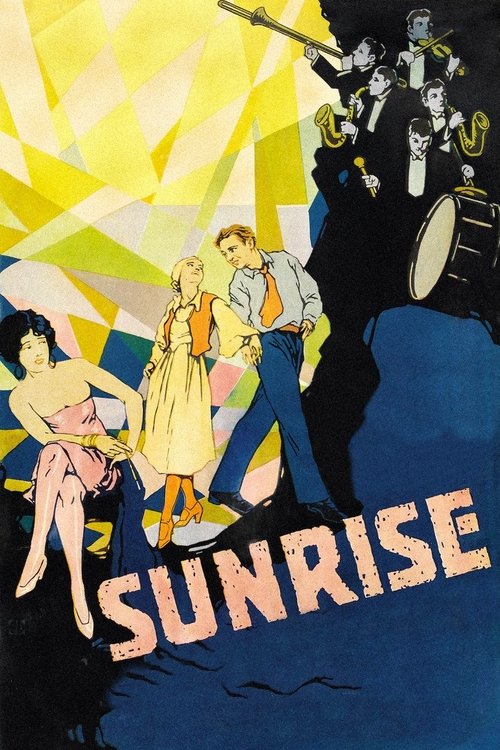
Sunrise: A Song of Two Humans (1927)
Directed by F. W. Murnau
No · Ultra Based
How we score movies →Consciousness Markers
The film is preachy in its moral messaging, presenting clear lessons about temptation, redemption, and marital virtue. However, it operates through visual poetry rather than explicit dialogue or exposition.
The cast represents primarily white European performers with no meaningful diversity. Female characters are limited to the wife and the temptress, both archetypal rather than complex.
The narrative actively reinforces patriarchal moral structures, depicting female sexuality as dangerous and requiring male redemption. Women are either virtuous victims or corrupting temptresses.
While the film presents city corruption as morally dangerous, this critique is rooted in moral panic rather than economic analysis. Capitalism itself is not interrogated.
No LGBTQ+ themes or characters present. The film operates entirely within heterosexual marital structures as its moral framework.
No engagement with racial themes or awareness. The film is entirely concerned with European rural and urban class dynamics.
No environmental themes or climate consciousness. The rural setting is purely aesthetic and thematic rather than ecological.
No engagement with body positivity concepts. The female temptress is coded as sexually available and morally compromised through her physicality.
No representation of neurodivergence or disability. Mental and emotional states are rendered through melodramatic performance rather than nuanced portrayal.
The film makes no claims about historical events or narratives. It is a contemporary (to 1927) morality tale, not a historical reinterpretation.


Synopsis
A married farmer falls under the spell of a slatternly woman from the city, who tries to convince him to drown his wife.
Why it received this score
Murnau's silent masterpiece is a work of genuine artistic achievement, but its moral framework belongs entirely to the 1920s, operating as it does on a foundation of profound anxiety about female sexuality and urban corruption. The woman from the city is rendered not as a character but as a temptress, a moral contagion that threatens the sacred rural family unit. She is "slatternly" in the film's own description, coded language that would have signified moral depravity and sexual impropriety to contemporary audiences. The wife, by contrast, is passive, virtuous, victimized, and ultimately forgiving. This is not progressive storytelling dressed in period clothing; it is the authentic product of its era's sexual politics.
The film contains no representation of marginalized groups in any meaningful sense, no engagement with questions of gender equity, no critique of the power dynamics that allow a man to consider murdering his wife for another woman, and certainly no interrogation of class relations that might complicate the city-versus-country binary. The narrative celebrates reconciliation and marital redemption, which is thematically coherent but thematically conservative. A farmer's temptation and his wife's forgiveness is a morality play, not a work of social consciousness.
What we are observing here is technical and artistic brilliance in service of values that predate our current cultural moment by nearly a century. The German Expressionist visual language is hypnotic and innovative. The cinematography remains stunning. But the underlying vision of female morality, masculine weakness, and the proper order of things is so remote from contemporary progressive sensibilities that the film reads now as a historical artifact of a very different set of assumptions about gender, virtue, and society.
Analysis generated by our Consciousness Algorithm