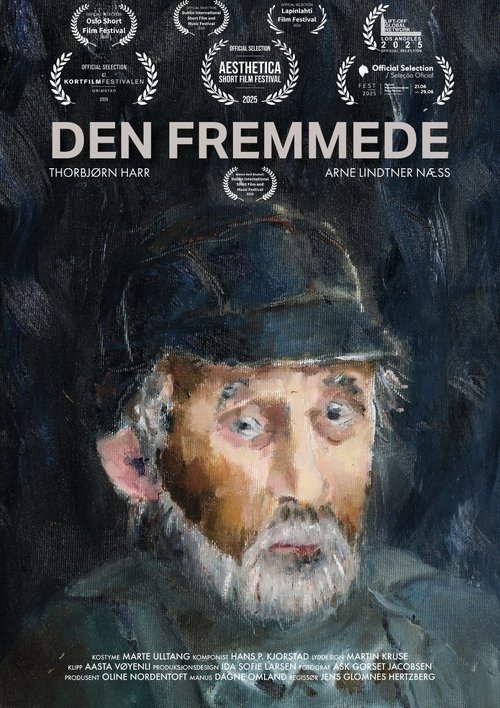
Stranger (2025)
Directed by Jens Glomnes Hertzberg
No · Ultra Based
How we score movies →Consciousness Markers
The backdrop of a rundown, struggling farm in decline could be read as a faint metaphor for rural environmental decay, but the film makes no explicit environmental argument and the reading would require considerable generosity.
A farmer struggling alone against the entropy of his land carries a faint undercurrent of rural economic decline, but the film shows no interest in naming capitalism as the culprit.
The cast is composed entirely of Norwegian actors in a Norwegian rural setting. No evidence of deliberate diversity casting or representational signaling of any kind.
No LGBTQ+ themes, characters, or subtext are present or documented in this film.
The central dynamic is between two men. No feminist framing, female empowerment arc, or gender commentary is evident.
The film is a Norwegian short set in a rural farming context. No racial themes, commentary, or consciousness are present.
No body positivity themes, messaging, or relevant character dynamics are present.
No neurodivergent characters or themes are documented or evident in this film.
The film is an original contemporary story with no historical setting or revisionist intent.
By all accounts the film is understated, indirect, and careful. It delivers no sermons. This is apparently a Norwegian film school thesis, not a TED talk.
Synopsis
An old farmer struggles to take care of his rundown farm alone, when a stranger appears and uninvited begins to help him.
Why it received this score
A twenty-six-minute Norwegian thesis film about an old farmer and a mysterious stranger who helps him on his crumbling land. The premise is older than cinema itself, and director Jens Glomnes Hertzberg appears to know this, leaning into the universal rather than the urgent. Critics have praised its "understated carefulness." In the current landscape, understated carefulness is practically a political act.
The film's social footprint is, to use a technical term, negligible. There are no marginalized communities being centered. There is no arc of institutional reckoning. There is no scene in which a character explains systemic forces to another character who already knows about them. There is, by all available evidence, just a tired old man and a stranger and a farm that has seen better decades. The film appears to have attended the Grimstad Short Film Festival without incident, which is more than can be said for most cultural products in 2025.
Scoring this film requires the same tools a geologist uses to date a rock formation: patience, specialized knowledge, and a willingness to report that nothing dramatic happened here. The faintest traces of rural economic melancholy are present in the premise, but the film declines to name them, theorize them, or workshop them into a call to action. It simply observes. We have filed this under the appropriate category.
Analysis generated by our Consciousness Algorithm