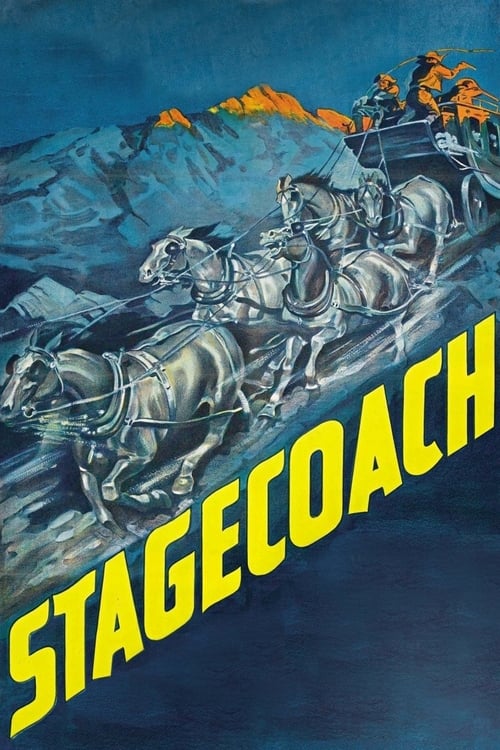
Stagecoach (1939)
Directed by John Ford
No · Ultra Based
How we score movies →Consciousness Markers
The ensemble cast includes characters of different social classes and professions, but this diversity serves plot structure, not conscious representation. The female and minority characters lack agency and interiority.
The female characters exist primarily as romantic interests or plot devices. Their agency is limited and their arcs center on male redemption narratives.
No LGBTQ+ themes or representation present in the film.
Native Americans are depicted as a faceless threat with no interiority or legitimate perspective. There is no examination of colonialism or injustice.
No climate-related themes or messaging present in the film.
No critique of capitalism or wealth inequality. The crooked banker is a character type, not a systemic critique.
No body positivity messaging or discourse present in the film.
No representation of neurodivergent characters or themes in the film.
The film presents the Western frontier mythology as straightforward adventure, without interrogating historical narratives or colonial violence.
The film makes no attempt to educate viewers about social issues or progressive values. It is pure entertainment within classical Hollywood conventions.


Synopsis
A group of people traveling on a stagecoach find their journey complicated by the threat of Geronimo, and learn something about each other in the process.
Why it received this score
Stagecoach is a masterwork of classical Hollywood filmmaking, which is to say it is almost entirely devoid of the progressive cultural consciousness that would later become a fixture of cinema. John Ford's ensemble Western presents a cross-section of American society during a stagecoach journey through Apache territory, and while the structural variety of its cast was novel for 1939, the film makes no attempt to interrogate the social hierarchies it depicts. Claire Trevor's prostitute character exists in the familiar tradition of the woman with a heart of gold, her moral redemption tied entirely to her romantic relationship with John Wayne's outlaw. The Apache threat functions as pure narrative machinery, faceless and inarticulate, with no consideration given to colonialism, displacement, or the indigenous perspective. The film is a product of its era, untroubled by questions of representation, racial justice, or gender equity. It remains a technically accomplished and entertaining adventure, which is precisely why it scores so low on the particular scale we are measuring. The absence of progressive messaging is not a flaw in a 1939 Western, it is simply the baseline condition of Hollywood cinema at that time.
Analysis generated by our Consciousness Algorithm
Critic Reviews
“Stagecoach holds our attention effortlessly and is paced with the elegance of a symphony.”
“Here, in a sentence, is a movie of the grand old school, a genuine rib-thumper and a beautiful sight to see.”
“The classic western, Stagecoach is one of John Ford's greatest frontier epics. ”
“Certainly it's the weakest of Ford's major westerns, burdened with a schematic and pretentious Dudley Nichols script (the "cross section of society" on board the stagecoach), but its virtues remain intact. ”