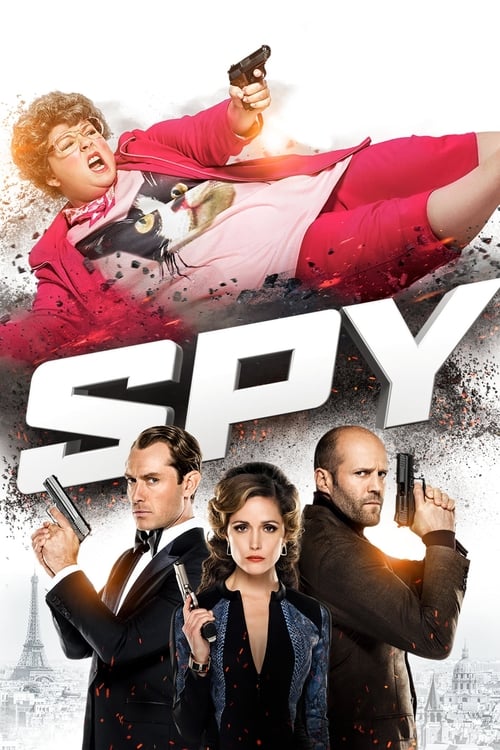
Spy (2015)
Directed by Paul Feig
Partly · Woke-Adjacent
How we score movies →Consciousness Markers
Female lead in an action-spy genre traditionally dominated by men, with a diverse supporting cast including women in authority roles. However, the representation remains primarily about casting rather than exploring systemic issues.
The film centers on female competence and agency, with women in leadership positions. Yet it derives humor from body type and appearance, complicating its feminist messaging.
The film centers on a woman whose body does not conform to spy-genre conventions, and she is portrayed as capable and heroic. However, much of the humor relies on the novelty and incongruity of her appearance.
The film occasionally telegraphs its progressive messaging about female capability, though it primarily remains committed to narrative and comedic momentum over preachiness.
Diverse casting in supporting roles, but no substantive engagement with racial themes or consciousness in the narrative.
No LGBTQ+ themes, characters, or representation evident in the film.
No climate-related themes or environmental consciousness present in the film.
The film functions as a conventional spy thriller with no anti-capitalist commentary or critique of wealth systems.
No representation of neurodivergent characters or themes.
No revisionist historical elements present in this contemporary spy comedy.


Synopsis
A desk-bound CIA analyst volunteers to go undercover to infiltrate the world of a deadly arms dealer, and prevent diabolical global disaster.
Why it received this score
Spy occupies a peculiar position in the landscape of modern action comedies, being a film that wears its progressive sensibilities on its sleeve while remaining committed to entertainment value rather than ideological purity. Paul Feig's 2015 vehicle for Melissa McCarthy presents a female protagonist in a traditionally male-dominated spy genre, and the film's central conceit hinges entirely on subverting expectations about female agents, body types, and competence. McCarthy's character is deliberately unglamorous, physically unimposing by Hollywood standards, and thoroughly capable, which generates both genuine humor and a certain performative quality about the film's treatment of these themes.
The film's commitment to representation extends beyond its lead, with a supporting cast that includes women in positions of authority and power, though this commitment remains largely surface-level. Rose Byrne, Allison Janney, and Miranda Hart are given meaningful roles that allow them agency within the narrative, yet the film rarely interrogates the deeper structural issues surrounding gender in espionage or law enforcement. Instead, it opts for a more palatable form of inclusivity that prioritizes laughs over substance. The humor frequently derives from the friction between McCarthy's appearance and the spy genre's conventions, a dynamic that walks a fine line between subversion and mockery.
Spy remains primarily a comedy that happens to be progressive rather than a progressive film that happens to be a comedy. The action sequences are competent, the jokes land with reasonable consistency, and the film's heart lies in character dynamics rather than in any particular ideological manifesto. This makes it an effective entertainment product that also happens to register as culturally aware, though perhaps not with the depth or intention that some might attribute to it. Being released in 2015, such casting choices felt fresher than they might today, allowing the film's moderate progressive sensibilities to read as somewhat more significant than their actual complexity warrants.
Analysis generated by our Consciousness Algorithm
Critic Reviews
“It's a comedy of exasperation where, for once, the joke isn't on McCarthy, but on everyone who can't see her skills. ”
“Laugh-stuffed and making excellent use of its marquee-grade supporting cast, it promises to be a home run in its early summer release.”
“An uproarious blast of globe-trotting action-comedy delirium that doesn’t spoof the espionage-thriller genre so much as drop a series of banana peels in its path.”
“With the overlong, limp and lazy Spy, Feig has lost his mojo.”