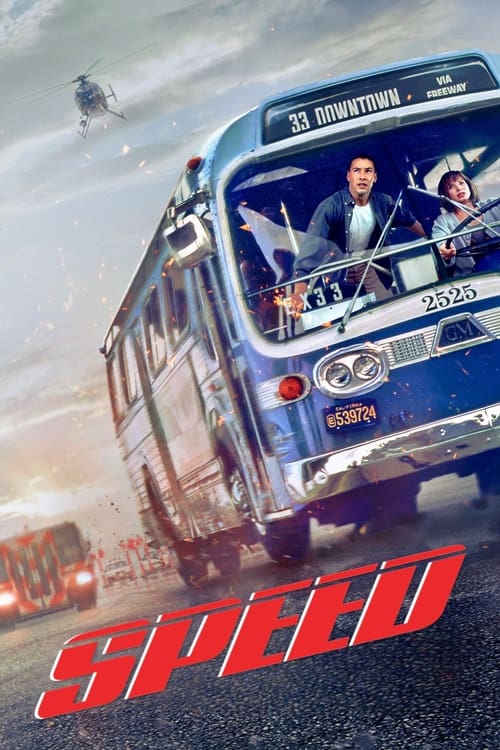
Speed (1994)
Directed by Jan de Bont
No · Ultra Based
How we score movies →Consciousness Markers
Sandra Bullock as the lead is notable for 1994, and the supporting cast includes Black actors (Joe Morton, Glenn Plummer) in professional roles. However, this reflects basic 1990s LA demographics rather than conscious representation strategy.
Annie Porter is competent and central to the narrative, which was progressive for action films of the era. However, the film does not interrogate gender dynamics or patriarchal structures. She is simply a capable protagonist.
The film maintains a purely narrative focus on the immediate crisis. There is minimal dialogue explaining social problems or delivering moral lessons about systemic issues.
No LGBTQ+ themes, characters, or subtext are present in the film. Sexual orientation is not mentioned or explored.
The film contains no examination of race, racism, or racial power structures. Diverse characters exist in the story, but race is never thematized or discussed.
Climate change or environmental concerns play no role whatsoever in the narrative. The threat is a single individual bomber, not systemic environmental collapse.
The film contains no critique of capitalism, corporate power, or wealth inequality. The villain's grievance is personal, not ideological.
Body positivity discourse is entirely absent. The film contains no commentary on body image, beauty standards, or physical diversity.
No neurodivergent characters are present, nor is there any exploration of neurodiversity as a theme.
The film is set in contemporary 1994 Los Angeles and contains no historical narrative or revisionist interpretation of past events.


Synopsis
Tensions run high when a crazed bomber rigs a Los Angeles bus with a device that will kill everyone on board if the vehicle's speed dips below fifty miles per hour.
Why it received this score
Speed is a 1994 action thriller that predates contemporary progressive cultural sensibilities by a full generation, which is to say it exists in a different moral universe entirely. The film's primary claim to any modern social consciousness rests entirely on its lead character: Annie Porter, a bus driver played by Sandra Bullock, who functions as the film's central figure and proves capable of handling the crisis with competence and wit. This was, at the time, noteworthy enough. A woman as the protagonist of an action vehicle rather than a supporting player marked a modest departure from the genre's conventions. However, the film makes no particular effort to interrogate power structures, systemic inequality, or the machinery of oppression. It is simply an action film with a female lead, which is to say it is a good action film, not a conscious one.
The remainder of the cast reflects the casual diversity of 1990s Los Angeles without commentary or agenda. Joe Morton and Glenn Plummer appear in supporting roles as transit workers; they are present, competent, and then forgotten. The film's villain, played by Dennis Hopper, is motivated by personal grievance rather than any ideological position. There is no examination of class struggle, no interrogation of capitalist systems, no meditation on climate catastrophe or institutional racism. The bomber's grievance is particular and petty. The film's political content consists entirely of its basic premise: a public bus, a bomb, the need for collective survival. These are plot devices, not political statements.
The social consciousness on display here amounts to the sort of baseline humanism that predates the modern progressive moment. We should root for the people on the bus because they are people. We should oppose the bomber because he is destroying innocent lives. These are not controversial positions and they do not constitute engagement with contemporary cultural discourse. Speed remains what it has always been: a supremely well-constructed thriller that happens to center a capable woman without making that fact the subject of extended commentary. For the purposes of measuring progressive cultural markers, this is the cinematic equivalent of a museum piece.
Analysis generated by our Consciousness Algorithm
Critic Reviews
“We've seen this done before, but seldom so well, or at such a high pitch of energy.”
“The film takes off from formula elements-it's yet another variation on "Die Hard"-but it manipulates those elements so skillfully, with such a canny mixture of delirium and restraint, that I walked out of the picture with the rare sensation that every gaudy thrill had been earned.”
“The result is clean, delirious, and, yes, speedy—the best big-vehicle-in-peril movie since Clouzot's "The Wages of Fear."”
“The plot becomes so overextended, as Reeves and Hopper wage their endless public transportation battle, even the hardest Die-Harders will consider leaping off way before the final stop.”