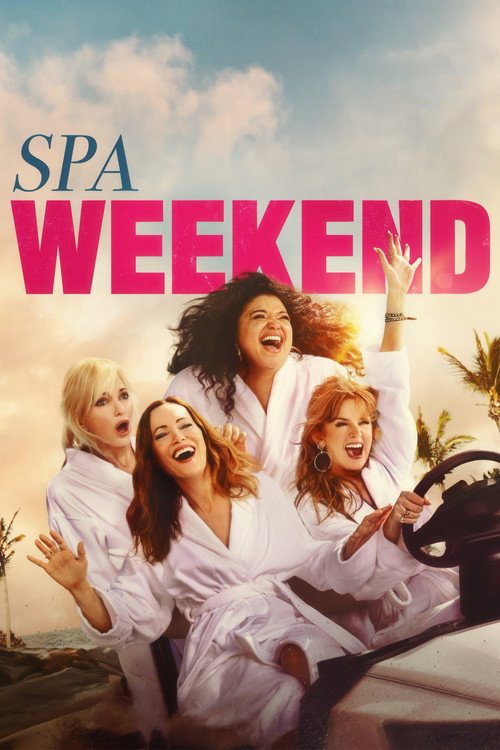
Is Spa Weekend (2026) Woke?
Spa Weekend · 2026 · Directed by Scott Moore · $3.1M domestic
Based
Consciousness Score: 38%
Answer: No
Woke Score 38/100 · Verdict: Based
Strongest markers: Feminist Agenda (55) · Representation Casting (42) · Lecture Energy (22)
Representation Casting
Score: 42/100
The lead ensemble is racially diverse, with Michelle Buteau as a top-billed Black co-lead alongside three white actresses. The casting reads as deliberate and inclusive, though the film does not appear to foreground representation as a theme.
LGBTQ+ Themes
Score: 0/100
No LGBTQ+ themes exist in the film itself. Cast members conducted a press interview with the It Gets Better Project, but promotional charity activity does not constitute film content.
Feminist Agenda
Score: 55/100
The film is explicitly positioned as a reclamation of female comedic agency, with Anna Faris directly noting the contrast to past roles where she existed to serve male characters. Female solidarity, burnout, and self-prioritization are the film's core thematic engine.
Racial Consciousness
Score: 8/100
The diverse ensemble is present, but the film gives no indication that race is a thematic concern. Characters appear to exist across racial lines without the story commenting on it.
Climate Crusade
Score: 0/100
No climate themes of any kind are present or suggested.
Eat the Rich
Score: 0/100
The luxury spa setting is aspirational, not a target for critique. No anti-capitalist sentiment is evident.
Body Positivity
Score: 10/100
Michelle Buteau is a prominent public advocate for body positivity and size inclusivity, and her presence carries that cultural association. There is no evidence the film itself engages with body positivity as a theme.
Neurodivergence
Score: 0/100
No neurodivergence themes are present or suggested in any available material.
Revisionist History
Score: 0/100
This is a contemporary comedy with no historical setting or revisionist framing of any kind.
Lecture Energy
Score: 22/100
Press materials lean into the language of mental health, burnout, and the importance of female friendship as near-therapeutic necessities. The film itself appears to be primarily a farce, but the surrounding discourse carries a mild motivational-poster quality.
Synopsis
Four lifelong friends realize that somewhere between careers, relationships, families, and everyday responsibilities, they've forgotten how to take care of themselves—and each other. Burned out and overdue for a break, the women escape to a luxury spa retreat for an unforgettable weekend dedicated to fun, laughter, and a lot of really bad decisions.
Why it received this score
*Spa Weekend* arrives as a self-declared corrective to the long drought of female-ensemble studio comedies, and the filmmakers have been admirably candid about this mission. Director Jon Lucas wants to return big, silly comedies to the theatrical experience. Anna Faris wants roles where she is not, in her precise formulation, a "bounce card for the male." The cast wants to remind us that adult female friendships are important, difficult, and worth celebrating. These are all reasonable things to want. The film has been positioned, accordingly, as a form of cultural restoration work, which is a considerable amount of freight for a movie about four women making bad decisions at a luxury spa.
The feminist architecture here is genuine, if familiar. The spiritual lineage runs through *Bridesmaids*, *Bad Moms* (also from this writing-directing team), and *Girls Trip*, a genre in which women reclaim their chaotic interiority at the expense of social propriety. The lead ensemble is racially diverse in a way that feels considered, with Michelle Buteau occupying a top-billed position alongside Leslie Mann, Isla Fisher, and Anna Faris. Buteau, a figure whose public persona carries associations with body positivity and representation advocacy, brings that cultural weight into the room whether the screenplay asks her to or not. The film does not appear to ask her to. This is, on balance, the correct choice.
What keeps *Spa Weekend* from reaching the upper registers of the social-consciousness scale is its apparent commitment to actually being funny. The press materials speak earnestly of burnout, self-care, and the therapeutic necessity of female solidarity, and then the film appears to deliver farce. This is not a contradiction we are inclined to penalize. The cast conducted a press interview with the It Gets Better Project during promotional rounds, which is a warm gesture and entirely irrelevant to the film's content. We note it here only to acknowledge that we noticed it, and then set it aside with the professional detachment the task requires.
Analysis generated by our Consciousness Algorithm
Related rankings
Consciousness Markers
The lead ensemble is racially diverse, with Michelle Buteau as a top-billed Black co-lead alongside three white actresses. The casting reads as deliberate and inclusive, though the film does not appear to foreground representation as a theme.
No LGBTQ+ themes exist in the film itself. Cast members conducted a press interview with the It Gets Better Project, but promotional charity activity does not constitute film content.
The film is explicitly positioned as a reclamation of female comedic agency, with Anna Faris directly noting the contrast to past roles where she existed to serve male characters. Female solidarity, burnout, and self-prioritization are the film's core thematic engine.
The diverse ensemble is present, but the film gives no indication that race is a thematic concern. Characters appear to exist across racial lines without the story commenting on it.
No climate themes of any kind are present or suggested.
The luxury spa setting is aspirational, not a target for critique. No anti-capitalist sentiment is evident.
Michelle Buteau is a prominent public advocate for body positivity and size inclusivity, and her presence carries that cultural association. There is no evidence the film itself engages with body positivity as a theme.
No neurodivergence themes are present or suggested in any available material.
This is a contemporary comedy with no historical setting or revisionist framing of any kind.
Press materials lean into the language of mental health, burnout, and the importance of female friendship as near-therapeutic necessities. The film itself appears to be primarily a farce, but the surrounding discourse carries a mild motivational-poster quality.