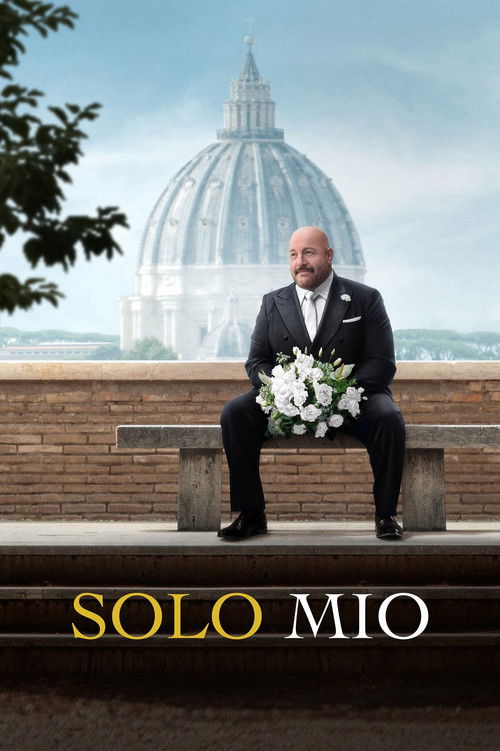
Solo Mio (2026)
Directed by Charles Kinnane
No · Ultra Based
How we score movies →Consciousness Markers
The cast includes some ethnic diversity in supporting roles (Italian and international actors), but this appears circumstantial to the Rome setting rather than deliberate representation strategy. Lead and supporting roles remain predominantly white.
Gia functions as a love interest with some agency, but the film does not engage with feminist themes or critique gender dynamics. The romantic plot remains fundamentally traditional.
The protagonist is an art teacher on a modest salary who nonetheless funds an expensive wedding and honeymoon. The narrative celebrates luxury consumption and travel without irony or critique.
The film operates with emotional sincerity and avoids preachy messaging. However, its celebration of romance and personal fulfillment contains an implicit moral position about what matters in life.
No LGBTQ+ characters, themes, or subtext present. The narrative centers entirely on heterosexual romance and traditional relationship structures.
No engagement with racial themes or systemic racial issues. Italian setting and international cast serve narrative convenience rather than thematic exploration of race or cultural identity.
Zero environmental or climate-related content. The film's focus on tourism and personal travel shows no environmental consciousness or critique of consumption.
No deliberate body positivity messaging. Kevin James' physical comedy may incidentally present diverse body types, but this reflects actor casting rather than intentional thematic work.
No representation of neurodivergent characters or exploration of neurodivergence as a theme.
The film contains no historical narrative or revisionist engagement with historical events or cultural memory.


Synopsis
After Matt's dreams of a picturesque Italian wedding are shattered when his fiancée leaves him at the altar, he embarks on his planned honeymoon across Italy alone, immersing himself in the country's vibrant culture, food, and beauty, meeting Gia along the way.
Why it received this score
Solo Mio arrives as a deliberate throwback to 1990s romantic comedy, a genre that predates contemporary progressive cultural consciousness by several decades. The film's narrative concerns itself entirely with personal romantic fulfillment, eschewing any engagement with systemic issues, social structures, or the broader cultural moment. Kevin James plays an art teacher who navigates heartbreak through Italian tourism and culinary experiences, a premise that positions individual healing as apolitical and self-contained. The supporting cast includes a mix of ethnicities, but this appears circumstantial rather than intentional, serving the logistics of a Rome-set ensemble piece without commentary or thematic purpose.
What the film does possess is a fundamental earnestness about heterosexual romance and personal redemption that runs counter to contemporary ironic sensibilities. Reviews emphasize its warmth and lack of cynicism as selling points, suggesting an audience seeking comfort rather than cultural challenge. Angel Studios, the producing entity, has built its brand on faith-friendly entertainment that prioritizes traditional values and emotional sincerity. Solo Mio fits squarely within this framework, offering escapism through Italian vistas and romantic resolution without the burden of social consciousness.
The film's single marker of minor contemporary cultural awareness appears in its female character Gia, who is presented as a local Roman with agency in the narrative. However, this represents basic character construction rather than feminist intentionality. No evidence suggests engagement with LGBTQ+ themes, systemic inequality, environmental concerns, or any of the other markers that define contemporary progressive cultural production. Solo Mio is not hostile to these concerns so much as indifferent to them, operating in a cultural register that predates their centrality to mainstream film discourse.
Analysis generated by our Consciousness Algorithm
Critic Reviews
“Solo Mio is good, sappy fun, and the perfect date movie for all the craziness going on in the world at the moment.”
“While Solo Mio feels familiar, it doesn’t feel generic—and that’s a balancing act as impressive as James’ late-career pivot.”
“Solo Mio is pretty much what one could reasonably expect from a Kevin James romantic movie: genial, good-natured, and ultimately pretty bland. ”
“Obvious jokes, facile insights, and emotional Band-Aids are all that’s on the menu.”