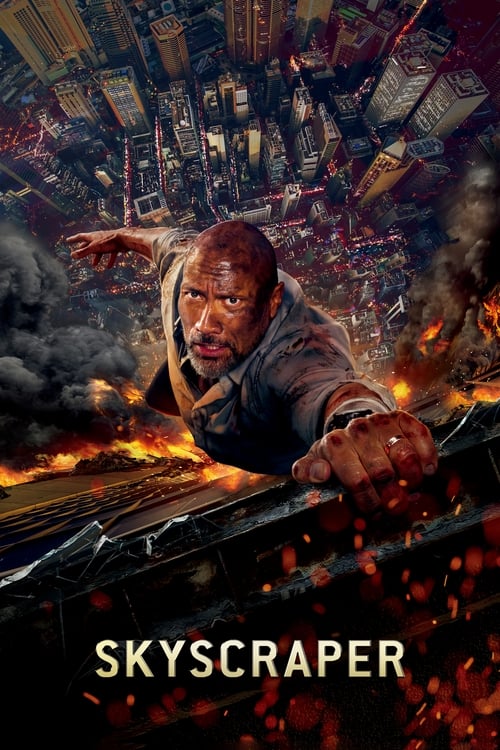
Skyscraper (2018)
Directed by Rawson Marshall Thurber
No · Ultra Based
How we score movies →Consciousness Markers
Dwayne Johnson as a disabled protagonist is genuinely notable for mainstream action cinema. Supporting cast includes actors of color, though they are underdeveloped.
The prosthetic leg representation could suggest body positivity, but the film does not engage with disability justice or acceptance in any meaningful way.
Johnson's wife is competent and concerned, but the film offers no sustained feminist critique or consciousness.
The film is set in Hong Kong with some Asian actors in the cast, but it engages with no meaningful commentary on race or cultural difference.
A corporate villain exists in the plot, but there is no systemic critique of capitalism or wealth inequality.
The film occasionally acknowledges its protagonist's disability, but never lectures or educates the audience about disability.
No evidence of LGBTQ+ representation or themes in the film.
No environmental themes or climate-related content present in the film.
No representation of neurodivergence or related themes.
The film contains no historical content or revisionist historical elements.


Synopsis
Framed and on the run, a former FBI agent must save his family from a blazing fire in the world's tallest building.
Why it received this score
Skyscraper presents an interesting case study in contemporary action cinema. The film's most notable progressive element is its central casting choice: Dwayne Johnson's character, Will Sawyer, is an amputee who wears a prosthetic leg. This represents a meaningful step toward disability representation in the action genre, though the film treats the disability more as a character detail than as something worthy of genuine thematic exploration. Johnson performs the role with his trademark charisma, and the film does not shy away from showing him using his prosthetic during action sequences, which is noteworthy for a blockbuster of this scale.
The supporting cast includes Chin Han and Roland Møller, providing some racial diversity to the ensemble, though neither performer receives substantial character development. The film is set in Hong Kong and features Neve Campbell as Johnson's wife, but the setting functions primarily as exotic backdrop rather than as a site of meaningful cultural engagement. The narrative concerns itself with terrorists, corporate corruption, and family preservation, but these themes receive only superficial treatment. The film operates comfortably within the established conventions of the 1990s action blockbuster, asking nothing of itself or its audience beyond spectacle and sentiment.
Where Skyscraper most clearly fails any progressive measurement is in its complete lack of engagement with systemic critique. The corporate villain exists as a plot device, not as an indictment of capitalist excess. The setting in Hong Kong generates no particular interest in the city itself or its relationship to global capital. The film's feminism extends only to having Johnson's wife be concerned and competent, which is the bare minimum. No character expresses any awareness of climate, systemic inequality, or social structures. The film is fundamentally conservative in its worldview: an individual hero saves his family through personal valor and determination. This is not reactionary, but it is decidedly apolitical.
Analysis generated by our Consciousness Algorithm
Critic Reviews
“Skyscraper doesn’t change the action-movie game the way “Die Hard” did, but it’s a solidly entertaining summer diversion best enjoyed on the biggest theater — or even better, drive-in — screen you can find. And if you’re afraid of heights, make sure there’s an armrest — or even better, an arm — that you can grab.”
“Living up to the legacy of Die Hard is a tall order, and Skyscraper never reaches those heights. But it's a gigantic and silly blockbuster matinee of a movie, with likable performances, absurd action sequences, and a heck of a lot of duct tape.”
“Skyscraper is a tribute to duct tape, and to Dwayne Johnson’s enduring appeal. The movie is great, outlandish fun because the star makes it so; he’s a soft soul in an action-hard body.”
“What doesn’t go in Skyscraper is watching Sawyer and his family face staggering calamity and danger with barely a concern raised or a sweat broken. As for the actors portraying them, they’re the brave ones. And if they were scared, they didn’t show it. ”