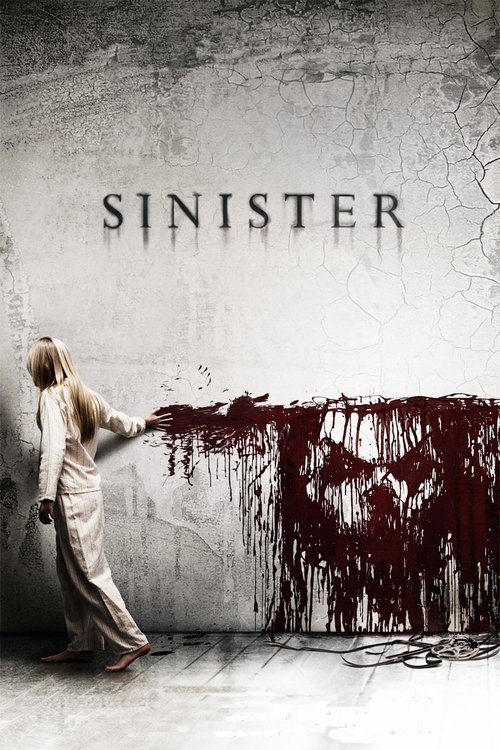
Sinister (2012)
Directed by Scott Derrickson
No · Ultra Based
How we score movies →Consciousness Markers
The protagonist exhibits obsessive behavior that could suggest obsessive-compulsive tendencies, but this is incidental to the horror narrative rather than a thematic exploration of neurodivergence.
The cast is racially and ethnically homogeneous with no apparent intentionality toward representation or diversity. Casting appears functional rather than conscious.
No LGBTQ+ themes, characters, or subtext are present in the film. The narrative contains no exploration of sexual orientation or gender identity.
The film contains no feminist agenda or gender-conscious storytelling. Female characters serve functional roles within the horror narrative without thematic development.
No racial consciousness or examination of systemic racism is evident in the film. Race is not engaged with as a thematic concern.
The film contains no climate-related themes, environmental consciousness, or engagement with ecological concerns.
No anti-capitalist sentiment or critique of economic systems appears in the film. The protagonist's career ambitions drive the plot without commentary on capitalist structures.
The film contains no body positivity messaging, representation of diverse body types as a thematic concern, or commentary on physical appearance standards.
The film contains no historical revisionism or reframing of historical events. It is set in the present day with supernatural elements.
The film contains no preachy messaging, moral lectures, or attempts to educate the audience about social issues. It prioritizes atmospheric horror over any pedagogical intent.


Synopsis
True-crime writer Ellison Oswalt is in a slump; he hasn't had a best seller in more than 10 years and is becoming increasingly desperate for a hit. So, when he discovers the existence of a snuff film showing the deaths of a family, he vows to solve the mystery. He moves his own family into the victims' home and gets to work. However, when old film footage and other clues hint at the presence of a supernatural force, Ellison learns that living in the house may be fatal.
Why it received this score
Sinister is a straightforward supernatural horror film with minimal engagement in contemporary progressive social consciousness markers. The narrative centers on a writer's obsession with a snuff film and his family's descent into supernatural terror, functioning primarily as a genre exercise in atmospheric dread rather than social commentary. The film makes no apparent effort to interrogate systems of power, examine identity politics, or promote representation beyond what the casting naturally required. The story, while featuring a family unit and a protagonist's moral compromises, does not leverage these elements for social commentary or progressive messaging.
The film's 2012 release date places it well before the cultural moment that would define contemporary progressive sensibilities in cinema. Scott Derrickson's approach prioritizes craft, tension, and supernatural mythology over any engagement with the specific markers we are measuring. The supporting cast and narrative structure contain no evidence of body positivity discourse, neurodivergent representation as a thematic concern, LGBTQ+ storylines, racial consciousness as a driving theme, climate anxiety, anti-capitalist sentiment, revisionist historical framing, or feminist agenda. The film is simply a horror movie about evil, investigation, and the supernatural, told without ideological adornment.
The lecture energy is absent, the representation casting unremarkable and unstudied, and the overall sensibility apolitical in the contemporary progressive sense. We are not observing a film ahead of its time, nor one that engages meaningfully with the specific constellation of social concerns that define modern progressive cultural markers.
Analysis generated by our Consciousness Algorithm
Critic Reviews
“It's all done in questionable taste, mucking around in the nasty terrain of snuff films and children in constant peril, but Sinister is smart and well-crafted, and it scarcely gives the audience a moment to breathe. ”
“The scares are not just intense but unyielding in this compelling horror yarn from "The Exorcism of Emily Rose" director Scott Derrickson.”
“Hawke's taut performance - lightly parodying his own career doldrums while playing an egotistical hack who's a close cousin of John Cassavetes's self-loathing actor in Rosemary's Baby - is totally credible. ”
“Sinister did something I thought would be impossible: It made this lifelong horror freak abhor horror movies. ”