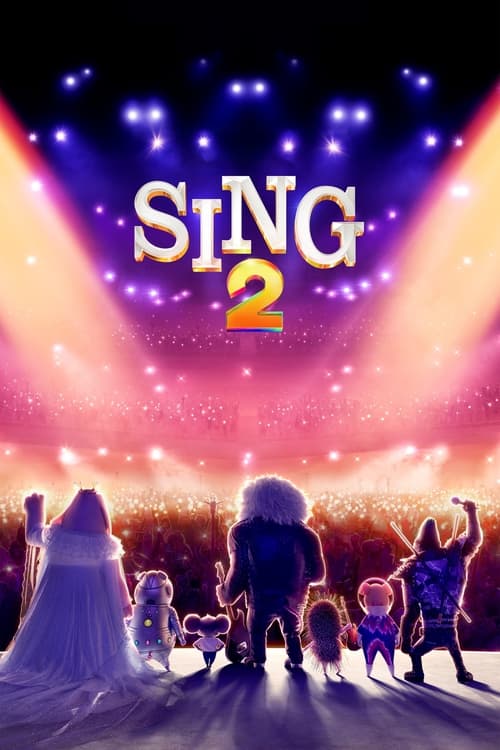
Sing 2 (2021)
Directed by Garth Jennings · $185.3M domestic
No · Ultra Based
How we score movies →Consciousness Markers
The cast includes performers from underrepresented backgrounds like Letitia Wright and Tori Kelly, though their inclusion feels incidental rather than thematically integrated into the narrative.
The antagonist is a corporate mogul, suggesting mild anti-capitalist sentiment, but the resolution emphasizes individual redemption over systemic critique.
Reese Witherspoon voices a prominent female character, but the film contains no discernible feminist agenda or critique of gender dynamics.
Diverse casting exists, but the film does not explore or foreground racial consciousness or construct narratives around racial experience.
The film maintains a light entertainment approach with minimal preachy messaging, though some thematic elements about artistic perseverance could be construed as mildly instructional.
No evidence of LGBTQ+ themes, representation, or meaningful character exploration in this family-oriented animated sequel.
No evidence of climate-related themes or environmental consciousness in this entertainment industry-focused narrative.
No evidence of body positivity messaging or commentary on body image in this animated family film.
No evidence of neurodivergent representation or themes in the film.
This is a fictional narrative set in an anthropomorphic animal world with no historical claims or revisionist elements.


Synopsis
Buster and his new cast now have their sights set on debuting a new show at the Crystal Tower Theater in glamorous Redshore City. But with no connections, he and his singers must sneak into the Crystal Entertainment offices, run by the ruthless wolf mogul Jimmy Crystal, where the gang pitches the ridiculous idea of casting the lion rock legend Clay Calloway in their show. Buster must embark on a quest to find the now-isolated Clay and persuade him to return to the stage.
Why it received this score
Sing 2 presents itself as a cheerful romp through the entertainment industry, and in this capacity it functions adequately as a vehicle for celebrity voice acting and licensed pop music. The film's narrative arc concerns itself primarily with the pursuit of theatrical success and personal redemption, concerns that occupy the same moral register as a motivational poster. There is nothing inherently wrong with this, though the film's commitment to these modest ambitions leaves little room for the kind of cultural consciousness that might complicate its worldview.
The cast composition warrants some attention. The ensemble includes several performers from underrepresented backgrounds, most notably Letitia Wright and Tori Kelly, yet their presence feels largely incidental to the plot mechanics rather than deliberately structured. The film does not appear to foreground these casting choices as expressions of particular values, nor does it construct narratives around the specific experiences of these characters that would suggest cultural awareness beyond simple inclusion. The supporting characters, animated as various anthropomorphic animals, exist in an entirely fantastical register that precludes any meaningful engagement with real-world social dynamics.
The film's treatment of class and power structures deserves examination. The antagonist, Jimmy Crystal, is depicted as a ruthless corporate mogul, a figure that might ordinarily signal some anti-capitalist sentiment. However, the narrative resolves this conflict not through systemic critique but through individual reconciliation and the triumph of artistic passion over commercial cynicism. This is a fundamentally conservative resolution, one that suggests the problem lies with individual moral failures rather than structural arrangements. Sing 2 occupies the middle ground of contemporary entertainment, aware enough of contemporary sensibilities to include diverse voices in its cast, yet unwilling to interrogate the systems those voices inhabit.
Analysis generated by our Consciousness Algorithm
Critic Reviews
“Sing 2 is like having a mainstream radio station on in the background. It’s enjoyable and not in the least bit challenging. And sometimes that’s enough.”
“Given the number of songs worked into the script, there’s a music video quality to the film. If you’re looking for some lighthearted distraction from the worries of the world right now, however, give Sing 2 a shot.”
“With her considerable musical talent, it falls to Ash to convince Calloway to emerge from self-imposed retirement. It’s in these few scenes between Johansson and Bono that writer-director Jennings’ script achieves a new level of emotionally driven storytelling for the franchise.”
“The best family films capture the imaginations of younger viewers and teach them the power of storytelling in ways that can affect them for their entire lives, possibly inspiring them to create their own stories as well. By comparison, “Sing 2” serves no other purpose than to waste a couple of hours.”