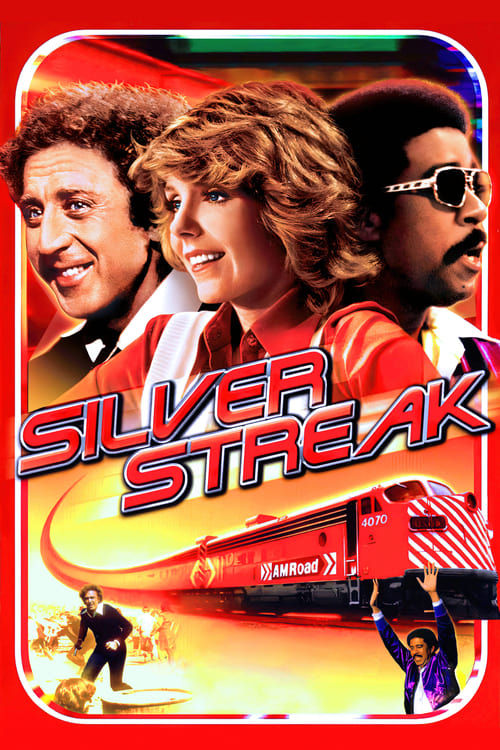
Silver Streak (1976)
Directed by Arthur Hiller
No · Ultra Based
How we score movies →Consciousness Markers
The pairing of Gene Wilder and Richard Pryor was progressive casting for 1976, breaking color-blind casting norms of the era. However, the film makes no thematic point of this partnership.
While the film features an interracial partnership, it treats this with complete casualness and makes no explicit commentary on race or systemic racism.
No LGBTQ+ themes, characters, or representation present in the film.
Jill Clayburgh appears as a romantic interest but the film contains no feminist framework or commentary on gender dynamics.
No environmental or climate-related themes in this thriller-comedy.
The film contains no critique of capitalism or class systems. It is a straightforward commercial entertainment.
No body positivity messaging or celebration of diverse body types present.
No representation of neurodivergent characters or exploration of neurodiversity.
The film makes no attempt to revise or reinterpret historical events or narratives.
The film contains no preachy moments, moral lectures, or attempts to educate the audience about social issues.


Synopsis
A somewhat daffy book editor on a rail trip from Los Angeles to Chicago thinks that he sees a murdered man thrown from the train. When he can find no one who will believe him, he starts doing some investigating of his own. But all that accomplishes is to get the killer after him.
Why it received this score
Silver Streak presents itself as a straightforward comic thriller, unburdened by social consciousness or progressive messaging. The film's most notable feature, from a contemporary cultural perspective, is its casual pairing of Gene Wilder and Richard Pryor as equal protagonists in a high-stakes caper. This choice was progressive for 1976, reflecting a shift in casting practices, yet the film itself makes no comment upon or around this partnership. Pryor's character possesses agency, humor, and intelligence. He is not a sidekick or a teaching device. He simply is.
The narrative mechanics exist entirely in the service of plot and physical comedy. There are no lectures, no consciousness-raising, no interrogation of power structures. The film contains no environmental concerns, no anti-capitalist sentiment worth noting, no feminist agenda, no exploration of neurodivergence or body diversity. It does not attempt to revise history or impose contemporary moral frameworks upon its characters. What we have is a product of its era: a commercial entertainment that happens to feature an interracial friendship without treating that friendship as remarkable or requiring explanation.
To score this film by contemporary measures of progressive cultural awareness would be to fundamentally misunderstand the artifact. It is neither woke nor unwoke. It predates the discourse entirely. The representation exists not as statement but as simple casting. For this reason, the score reflects the film's indifference to modern cultural categories rather than any active engagement with them.
Analysis generated by our Consciousness Algorithm
Critic Reviews
“While falling short of its comedy promise (except when Richard Pryor is on the screen), Silver Streak is an okay adventure comedy starring Gene Wilder on the lam from crooked art thieves aboard a trans-continental train.”
“The sort of comedy that leaves you exhausted, though not from laughing.”
“Silver Streak, the train which travels from LA to Chicago and houses a murder, dawdles rather than streaks. Characters and plot ramble at will, and no matter how high Colin Higgins' script flies, Arthur Hiller's direction remains with feet and hands firmly on the ground. ”
“So inept you can't even get angry; it's like the imitations of sophisticated entertainment that high-school kids put on. ”