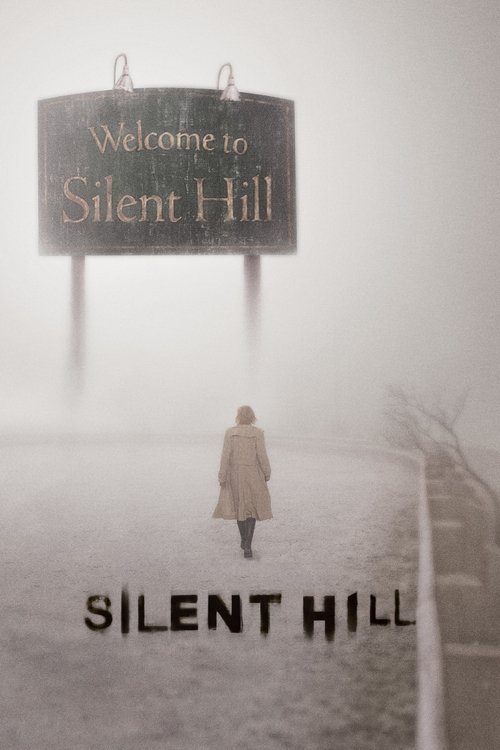
Silent Hill (2006)
Directed by Christophe Gans
No · Ultra Based
How we score movies →Consciousness Markers
Female protagonist (gender-flipped from source material) provides some representation, but female characters are often coded as irrational and hysterical rather than complex agents.
While the film centers female characters and motherhood, it does not interrogate patriarchal structures or gender systems; suffering is spectacularized rather than politicized.
No LGBTQ+ themes, representation, or subtext present in the film.
The film contains no engagement with racial themes, racial justice, or meaningful representation of non-white characters.
Climate change or environmental activism are entirely absent from the narrative and thematic concerns.
The film contains no critique of capitalism, corporate power, or economic systems.
The film does not engage with body positivity or challenge conventional beauty standards; bodies exist primarily as objects of horror and mutilation.
No representation of neurodivergent characters or engagement with neurodiversity as a theme.
The film does not reframe historical events or challenge established historical narratives from a contemporary perspective.
The film does not halt narrative momentum to deliver explicit social commentary or preachy messaging about contemporary issues.


Synopsis
Rose, a desperate mother, takes her adopted daughter, Sharon, to the town of Silent Hill in an attempt to cure her of her ailment. After a violent car crash, Sharon disappears, and Rose embarks on a horrific journey to get her back and begins to uncover the truth behind the apocalyptic disaster that burned the town 30 years earlier.
Why it received this score
Silent Hill presents a maternal protagonist navigating a nightmarish landscape, a structural choice that elevates the centrality of women to the narrative. The film's gender-flip of the source material, casting Radha Mitchell as the action-oriented lead rather than defaulting to a male hero, suggests some consciousness of representation. However, the film's engagement with these elements remains incidental to its primary project of atmospheric horror rather than deliberate cultural commentary. The adoption subplot introduces a thematic complexity around motherhood and familial bonds, yet the film treats these as emotional scaffolding for supernatural terror rather than examining systemic or social dimensions of family formation.
The broader cultural context reveals a more troubling undercurrent. Academic analysis has noted that the film frequently codes female characters as irrational and emotionally unstable while positioning male counterparts as rational agents, a dynamic that undercuts any progressive reading of its female-centered narrative. The women of Silent Hill suffer, scream, and dissolve into hysteria, fulfilling archetypal horror roles that predate contemporary social consciousness by decades. This is not progressive representation so much as it is the female body as vessel for spectacle and terror, a tradition stretching back to the genre's origins.
The film ultimately functions as a competent genre exercise with no particular investment in social consciousness beyond its surface-level casting choices. It concerns itself with the mechanics of dread and the logistics of survival, not with interrogating power structures, systemic injustice, or the ideological frameworks that shape contemporary life. To credit it with progressive sensibilities would be to confuse the presence of women with the presence of a feminist vision, a distinction that separates genuine cultural awareness from mere demographic representation.
Analysis generated by our Consciousness Algorithm
Critic Reviews
“It packs in a few scary moments and offers a nicely ambiguous conclusion. In Silent Hill, atmosphere trumps storyline.”
“Despite its often-overwhelming nonsensicality, there’s ultimately something irresistibly fiendish about Silent Hill, which not only condemns holier-than-thou religious zealots, but also—if I understand its gruesome finale—seems to be firmly on the side of the Devil.”
“A step in the right direction for console-to-screen transitions and a twisted masterpiece of set design. Ultimately, though, it's a little too much like watching someone else play the game.”
“Silent Hill has plenty of bad acting, bad dialogue and a confusing plot -- all of which become exponentially more painful when the movie goes on forever.”