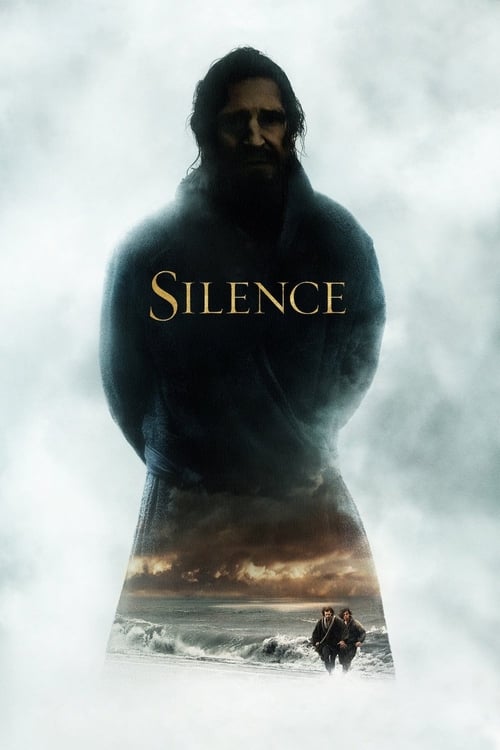
Silence (2016)
Directed by Martin Scorsese
No · Ultra Based
How we score movies →Consciousness Markers
While depicting religious persecution, the film lacks genuine racial consciousness and is criticized for centering white European perspective over Japanese agency and experience.
The film centers entirely on white European protagonists in a story set in Japan, with Japanese characters relegated to supporting roles. This creates an imbalanced representation where the central perspective remains European.
The film adapts the 1966 novel faithfully without engaging in contemporary progressive reframing of historical events.
The film is a philosophical meditation rather than preachy commentary, though it does occasionally veer toward theological exposition about faith and doubt.
No LGBTQ+ themes, characters, or representation present in the film.
The film centers male spiritual and philosophical crises with no female-centered narratives or feminist themes.
No climate-related themes or environmental messaging present in the film.
No anti-capitalist messaging, class critique, or economic justice themes in the film.
No body positivity representation or related themes in the film.
No neurodivergence representation or accommodation themes present.


Synopsis
In the 17th century, two Portuguese Jesuit priests travel to Japan in an attempt to locate their mentor, who is rumored to have committed apostasy, and to propagate Catholicism.
Why it received this score
Scorsese's meditation on faith and doubt in 17th-century Japan presents itself as a serious philosophical inquiry into the collision between European Catholicism and Japanese cultural sovereignty. Yet the film remains committed to the interior torment of its white European protagonists, particularly Andrew Garfield's anguished priest, as the true locus of moral complexity. Japanese characters, including the persecutors and the persecuted Christians alike, function primarily as mirrors for European existential crisis rather than as subjects with their own full dimensionality.
The film's critical reception noted this persistent white savior framework, wherein the spiritual journey of Western missionaries takes precedence over any genuine exploration of how Japanese society, politics, and culture understood or responded to Christian incursion. The persecution depicted is real and brutal, but the film's visual and narrative grammar consistently privileges European suffering as the dramatic center. This is not a failure of filmmaking craft, which is substantial, but rather a structural choice that renders the work curiously provincial for a film of such aesthetic ambition.
In terms of contemporary social consciousness, the film engages none of the specific markers that have come to define progressive cultural sensibilities in the 2020s. It is a sincere work of religious and philosophical drama, neither preachy nor revisionist, concerned with timeless questions of faith rather than contemporary social positioning. Such refusal of modern political consciousness might be understood as a kind of integrity, though critics might counter that such refusal itself carries ideological weight.
Analysis generated by our Consciousness Algorithm
Critic Reviews
“Scorsese has hit the rare heights of Ingmar Bergman and Carl Theodor Dreyer, artists who found in religion a battleground that often left the strongest in tatters, compromised and ruined. It’s a movie desperately needed at a moment when bluster must yield to self-reflection.”
“It’s a film full of tight close-ups of hands accepting gifts that comfort, inspire and bring succour to their recipients’ souls. That’s how we should receive it.”
“Silence is a slowly unfolding, deeply thoughtful film about questioning yourself. About questioning authority. About taking stock of where you've failed as a human being, and wondering how you can make amends — to yourself, to others, and to God.”
“Still, when you’re making a Christian epic and the best thing about it is the guy playing the inquisitor, you have a serious problem. ”