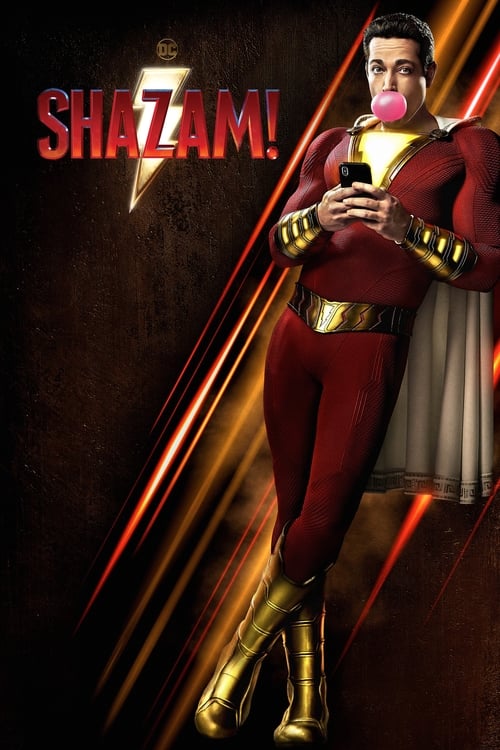
Shazam! (2019)
Directed by David F. Sandberg
No · Ultra Based
How we score movies →Consciousness Markers
The cast includes actors of various backgrounds including Djimon Hounsou and Meagan Good in supporting roles. Representation exists but feels naturally integrated rather than deliberately highlighted.
Diverse casting exists without explicit racial commentary or consciousness. The film does not examine racial issues or use race as a narrative theme.
Female characters exist in the narrative but are not central to any feminist agenda. The film shows basic gender inclusivity without interrogating gender dynamics.
Minor body humor exists in the film, but there is no meaningful engagement with body positivity or acceptance of diverse body types as a theme.
The film includes a scene where Billy's foster father offers some gentle wisdom about family and belonging, but this is minimal and not preachy in tone.
No LGBTQ+ themes, characters, or representation present in the film.
No climate-related themes, messaging, or environmental consciousness present.
No anti-capitalist themes or critique of wealth and economic systems. The villain's motivations are personal rather than systemic.
No representation or exploration of neurodivergence, mental health conditions, or neurodivergent characters.
The film contains no historical elements or attempts to reframe historical narratives.


Synopsis
A boy is given the ability to become an adult superhero in times of need with a single magic word.
Why it received this score
Shazam! is a film that understands its lane with the precision of a craftsman who has measured twice and cut once. It is a superhero comedy aimed at younger audiences, which means it concerns itself primarily with the mechanics of fun rather than the architecture of cultural commentary. The cast is reasonably diverse: Djimon Hounsou brings gravitas to the wizard, and the foster family includes actors of various backgrounds in supporting roles. These choices feel organic to the narrative rather than calculated for optics, which is perhaps the most honest approach available to a film that never pretends to be anything other than what it is.
The film's engagement with foster care and adoption represents its closest approach to thematic depth. Billy Batson's journey centers on finding belonging within a family that chose him, and the narrative treats this with genuine emotional sincerity. However, this is presented as a humanist story about connection and acceptance, not as a vehicle for examining systemic issues or celebrating specific identity categories. The film is liberal in its sensibilities (found family is good, kindness matters), but these are pre-2015 progressive sentiments rather than contemporary markers of cultural consciousness. There is no lecture energy, no pointed social commentary, no suggestion that the audience should view the world through a particular ideological lens.
What remains is a competent, entertaining superhero film that happens to include people of different backgrounds without making that inclusion the subject of its own narrative. This is neither a criticism nor a particular achievement from the perspective of contemporary progressive cultural markers. Shazam! simply exists as a film made for families, which is to say it exists outside the conversation entirely.
Analysis generated by our Consciousness Algorithm