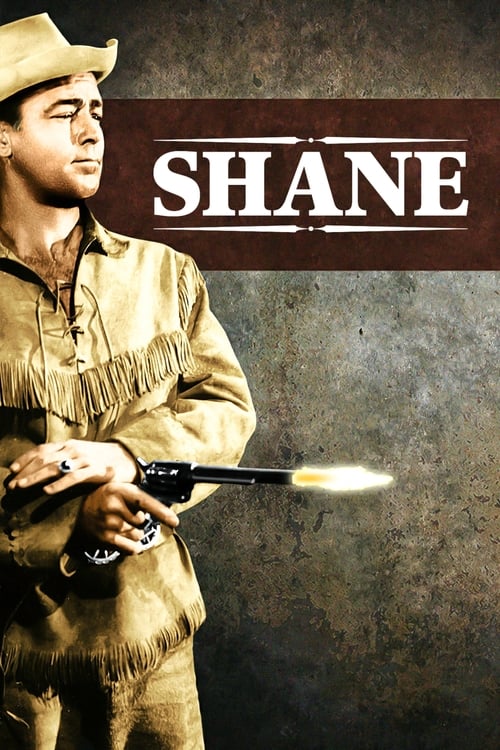
Shane (1953)
Directed by George Stevens
No · Ultra Based
How we score movies →Consciousness Markers
The narrative pits virtuous homesteaders against corrupt capitalist ranchers, but this serves classic Western mythology rather than contemporary anti-capitalist ideology.
The cast is entirely white and reflects 1950s Hollywood's complete exclusion of non-white actors from major roles. No attempt at diverse representation is evident.
The film participates in frontier mythology that obscures indigenous dispossession, but this represents the unreflective historical erasure of its era rather than deliberate revisionism.
Jean Arthur portrays the homesteader's wife with dignity, but her character exists entirely within traditional domestic roles. No feminist critique or consciousness is present.
The film completely erases Native American presence from the frontier narrative. This reflects the era's default historical revisionism rather than intentional contemporary social commentary.
No LGBTQ+ themes or representation. The film presents heterosexual family structures as the natural order without question.
No engagement with environmental or climate themes. The landscape exists as aesthetic backdrop rather than as subject of ecological concern.
No engagement with body positivity themes. The film presents conventional masculine and feminine ideals without irony or critique.
No representation or acknowledgment of neurodivergence. The film presents neurotypical characters as the unmarked default.
The film trusts its audience to interpret its themes without preachy explanation. There is no contemporary lecture energy, no explicit moralizing about social issues.


Synopsis
A weary gunfighter attempts to settle down with a homestead family, but a smouldering settler and rancher conflict forces him to act.
Why it received this score
Shane arrives in 1953 as a work of considerable artistic merit, a meditation on masculine sacrifice and the closing of the frontier that utterly lacks interest in the progressive sensibilities that would later consume American cinema. The film concerns itself with virtue, honor, and the necessity of violence in a lawless world, themes that predate contemporary cultural consciousness by several decades. George Stevens directs with a painterly precision that renders the landscape as a character unto itself, but the social universe of the film remains entirely unreflective about its own assumptions.
The narrative presents a binary conflict between the homesteaders (virtuous, agrarian, civilized) and the cattle ranchers (corrupt, exploitative, violent), but this framing serves classical Western ideology rather than any contemporary critique of power structures. Jean Arthur's role as the homesteader's wife is limited to wifely concern and maternal anxiety, rendered with dignity but never questioning the domestic order in which she operates. The film employs no irony about its gender arrangements, nor does it interrogate them through a modern lens. Brandon De Wilde's young protagonist admires Shane with uncomplicated reverence, the film presenting this homoeroticism as innocent hero worship rather than as material for analysis.
Most significantly, Shane depicts a frontier world entirely drained of Native American presence, presenting the conflict between settlers and ranchers as the sole legitimate historical drama. The film's refusal to acknowledge indigenous peoples registers not as progressive silence but as historical erasure, the unreflective default position of its era. The work stands as a pristine artifact of 1950s American mythology, unmarked by self-awareness about its own cultural particularity. This is not a failing in artistic terms, but it disqualifies the film from any meaningful engagement with the markers of contemporary social consciousness. We are examining a text that does not speak the language we have developed to measure such things.
Analysis generated by our Consciousness Algorithm
Critic Reviews
“Shane wears a white hat and Palance wears a black hat, but the buried psychology of this movie is a mottled, uneasy, fascinating gray.”
“Shane contains something more than beauty and the grandeur of the mountains and plains, drenched by the brilliant Western sunshine and the violent, torrential, black-browed rains. It contains a tremendous comprehension of the bitterness and passion of the feuds that existed between the new homesteaders and the cattlemen on the open range. ”
“Shane is one of those movies that I revisit at least once a year, just to remind myself how stirring a Western can be when the mix of myth and method is just right. [21 June 2002, p.C8]”
“This George Stevens film is over-planned and uninspired: Westerns are better when they're not so self-importantly self-conscious.”