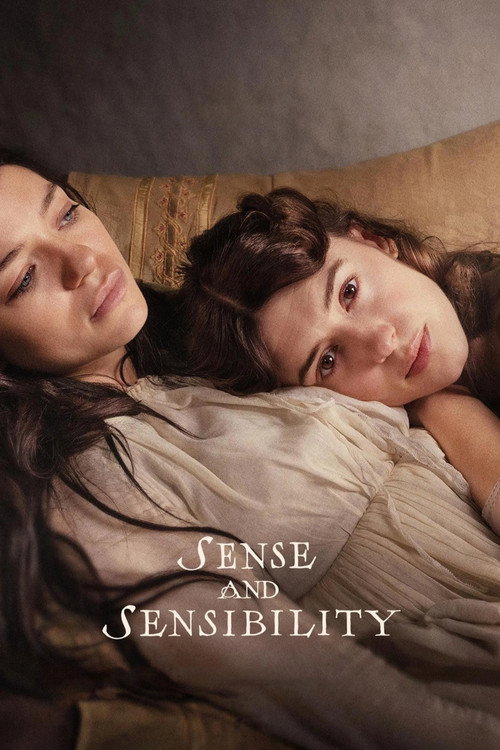
Is Sense and Sensibility (2026) Woke?
Sense and Sensibility · 2026 · Directed by Georgia Oakley · $7.2M domestic
Woke Score
CriticCritic Score
Audience
Woke-Adjacent
Critics rated this 36 points above its woke score. Among Woke-Adjacent films, this critic score ranks #25 of 170.
Answer: Partly
Woke Score 48/100 · Verdict: Woke-Adjacent
Strongest markers: Feminist Agenda (62) · LGBTQ+ Themes (38) · Revisionist History (28)
Representation Casting
Score: 8/100
The cast is drawn almost entirely from white British and European actors, consistent with the Regency English source material. No notable diversity-forward casting choices are evident.
LGBTQ+ Themes
Score: 38/100
Director Georgia Oakley, whose previous film Blue Jean centered on LGBTQ+ identity, has publicly described Marianne Dashwood as possessing an 'inherent kind of queerness' in her nonconformity. This remains subtext and directorial framing rather than explicit content, but it is a stated, concrete creative intention.
Feminist Agenda
Score: 62/100
The adaptation consciously reframes the narrative around female economic vulnerability, sisterly solidarity, and self-determination under patriarchal inheritance law. Critics and the filmmakers alike confirm this is a deliberate thematic priority, elevated above the romantic plot.
Racial Consciousness
Score: 0/100
No racial themes, commentary, or casting choices oriented around racial consciousness are present in the film or its surrounding discourse.
Climate Crusade
Score: 0/100
No climate or environmental themes are present. The natural-dye costume choices are an aesthetic decision, not an environmental statement.
Eat the Rich
Score: 18/100
The film engages with the cruelty of 19th-century property inheritance laws as they affect women, but this critique is native to Austen's original text. The adaptation amplifies the economic stakes somewhat, though it does not import a modern anti-capitalist framework.
Body Positivity
Score: 0/100
No body positivity themes or messaging are present in the film or its critical coverage.
Neurodivergence
Score: 0/100
No neurodivergence themes or framing are present in the film or its surrounding discourse.
Revisionist History
Score: 28/100
The production makes a conscious aesthetic break from 'glossy' Regency-period conventions, and the director applies a contemporary queer-inflected reading to a 19th-century literary character. This is a mild but deliberate act of historical reinterpretation.
Lecture Energy
Score: 22/100
The press tour leaned into themes of female agency and societal expectation, and screenwriter Diana Reid's background in consent and privilege discourse is noted. Reviews do not flag the film itself as heavy-handed, keeping this score modest.
Synopsis
A charming, witty, and deeply relatable story of love and sisterhood.
Why it received this score
Georgia Oakley's adaptation of Jane Austen's 1811 novel arrives carrying the full weight of its director's reputation, which is to say it arrives with a thesis. Oakley, who previously gave us *Blue Jean* and its careful excavation of closeted identity in Thatcherite Britain, has approached Austen not as a heritage-drama custodian but as an archaeologist of subversion, convinced the original text has been waiting two centuries for someone to notice what it was really about. The result is a film that trades the candlelit gloss of *Bridgerton* for natural light, elderberry-dyed wool, and a persistent sense that the romantic plot is, frankly, a distraction from the more pressing matter of two women trying not to go bankrupt.
The feminist scaffolding is load-bearing here. Elinor and Marianne's predicament, their dispossession by an inheritance system designed to treat women as furniture that occasionally requires marrying off, is not merely backdrop but the film's central argument. Daisy Edgar-Jones and Esmé Creed-Miles are very good, and the sisterhood between them is rendered with genuine warmth. Oakley also deposits, via the press tour if not always the screen, the notion that Marianne's refusal to perform social convention amounts to an "inherent queerness," a reading that is interesting, somewhat defensible, and almost certainly not what Austen had in mind, though Austen is not available for comment. The subtext is real; the text is still about Colonel Brandon.
What keeps this adaptation from fully tipping into sermon is its restraint in the actual execution. The lecture energy circulates primarily in the promotional materials and the screenwriter's biography rather than in the film's dialogue. The score on our cultural-awareness index reflects a production that is earnestly, consciously progressive in its framing without being aggressive about it, a Regency drama that has read its Judith Butler but has the decency not to cite her aloud. It is, in the taxonomy of these things, a firmly committed adaptation: aware of itself, purposeful in its choices, and carrying the mild but unmistakable aroma of a film that believes it is doing something important. It may even be right.
Analysis generated by our Consciousness Algorithm
Critic Reviews
“Poised, delicate, powerful, hovering between poignancy and pealing laughter, it is a feast formed by skill and serendipity.”
“[It presents] us with a vast range of richly developed, gorgeously played characters ... and mov[es] them gracefully through time and a lot of very pretty spaces without ever losing its conviction, its concentration or our bedazzled attention. [18 Dec 1995]”
“It's an exuberant, well- crafted film that gets the audience involved on a gut level even before the opening credits are over.”
“An enjoyable film, and yet it left me somehow unsatisfied...there is too much contrivance in the way [Austen] dispatches her men to London when she is done with them.”
Related rankings
Consciousness Markers
The cast is drawn almost entirely from white British and European actors, consistent with the Regency English source material. No notable diversity-forward casting choices are evident.
Director Georgia Oakley, whose previous film Blue Jean centered on LGBTQ+ identity, has publicly described Marianne Dashwood as possessing an 'inherent kind of queerness' in her nonconformity. This remains subtext and directorial framing rather than explicit content, but it is a stated, concrete creative intention.
The adaptation consciously reframes the narrative around female economic vulnerability, sisterly solidarity, and self-determination under patriarchal inheritance law. Critics and the filmmakers alike confirm this is a deliberate thematic priority, elevated above the romantic plot.
No racial themes, commentary, or casting choices oriented around racial consciousness are present in the film or its surrounding discourse.
No climate or environmental themes are present. The natural-dye costume choices are an aesthetic decision, not an environmental statement.
The film engages with the cruelty of 19th-century property inheritance laws as they affect women, but this critique is native to Austen's original text. The adaptation amplifies the economic stakes somewhat, though it does not import a modern anti-capitalist framework.
No body positivity themes or messaging are present in the film or its critical coverage.
No neurodivergence themes or framing are present in the film or its surrounding discourse.
The production makes a conscious aesthetic break from 'glossy' Regency-period conventions, and the director applies a contemporary queer-inflected reading to a 19th-century literary character. This is a mild but deliberate act of historical reinterpretation.
The press tour leaned into themes of female agency and societal expectation, and screenwriter Diana Reid's background in consent and privilege discourse is noted. Reviews do not flag the film itself as heavy-handed, keeping this score modest.