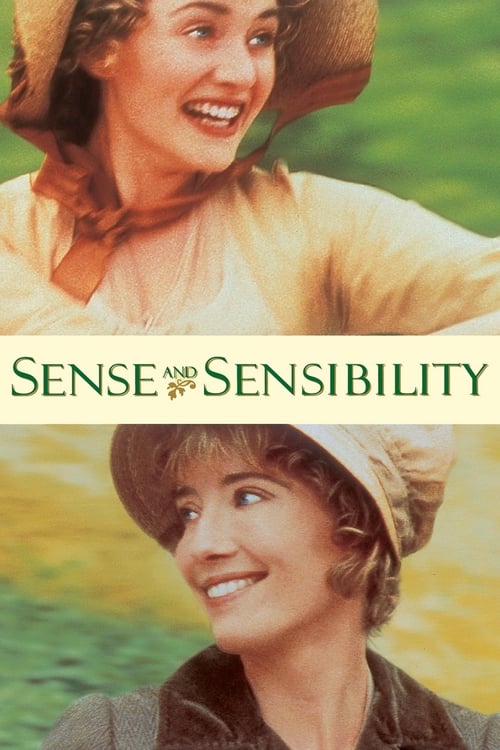
Sense and Sensibility (1995)
Directed by Ang Lee
No · Ultra Based
How we score movies →Consciousness Markers
The film engages with women's economic vulnerability and marriage as survival, but these reflect Austen's 1811 observations rather than contemporary feminist messaging or activism.
The film critiques mercenary marriage and class obsession, but this reflects period-appropriate social observation rather than 2020s anti-capitalist rhetoric or ideology.
The cast consists entirely of white British actors in a period adaptation. No deliberate diversity casting or contemporary representation considerations are evident.
No LGBTQ+ themes, characters, or subtext appear in the film. The narrative adheres strictly to heterosexual romance.
No racial themes, representation, or consciousness are present in the film.
No environmental or climate-related themes are present in the narrative.
No body positivity messaging, representation, or commentary appears in the film.
No neurodivergent characters or themes are present in the adaptation.
The film is a faithful adaptation of Austen's text without historical revisionism or reframing of historical events.
The film maintains Austen's ironic, observational tone without preachy messaging or preaching to the audience.


Synopsis
The Dashwood sisters, sensible Elinor and passionate Marianne, learn that their prospects of marriage seem doomed by their family's sudden loss of fortune. After Henry Dashwood dies unexpectedly, his estate must pass on by law to his son. These circumstances leave Mr. Dashwood's wife and daughters without a home and with barely enough money to live on. As Elinor and Marianne struggle to find romantic fulfillment in a society obsessed with financial and social status, they must learn to mix sense with sensibility in their dealings with both money and men.
Why it received this score
Sense and Sensibility arrives as a period adaptation of impeccable pedigree, a faithful rendering of Austen's 1811 novel that concerns itself primarily with the historical realities of women's economic dependence and the marriage market as survival mechanism. Emma Thompson's screenplay and performance capture the source material's ironic distance from its own concerns, a quality that distinguishes Austen from the preachy impulses of contemporary progressive cinema. The film examines class anxiety, mercenary marriage, and female agency within the constraints of Regency society, but these observations belong to the text itself rather than to any contemporary cultural intervention.
Ang Lee's direction emphasizes visual restraint and emotional subtlety. The cinematography privileges landscape and interior space as expressions of the sisters' emotional states. There is no heavy-handed messaging about gender or economics, only the quiet observation that women of this period possessed limited options and had to navigate them with intelligence and feeling. The film takes its source material seriously without feeling compelled to improve upon it or retrofit it with modern sensibilities.
What emerges from this approach is a work that respects both its audience and its material. The absence of contemporary progressive framings is not a deficiency but rather a fidelity to Austen's own method: irony, observation, and the detailed rendering of human constraint rather than exhortation toward change. This is simply a very good adaptation of a very good novel, made with craft and intelligence, which happens to depict women who must think carefully about their circumstances. Such clarity of purpose, however unfashionable, remains its own kind of distinction.
Analysis generated by our Consciousness Algorithm
Critic Reviews
“Poised, delicate, powerful, hovering between poignancy and pealing laughter, it is a feast formed by skill and serendipity.”
“[It presents] us with a vast range of richly developed, gorgeously played characters ... and mov[es] them gracefully through time and a lot of very pretty spaces without ever losing its conviction, its concentration or our bedazzled attention. [18 Dec 1995]”
“It's an exuberant, well- crafted film that gets the audience involved on a gut level even before the opening credits are over.”
“An enjoyable film, and yet it left me somehow unsatisfied...there is too much contrivance in the way [Austen] dispatches her men to London when she is done with them.”