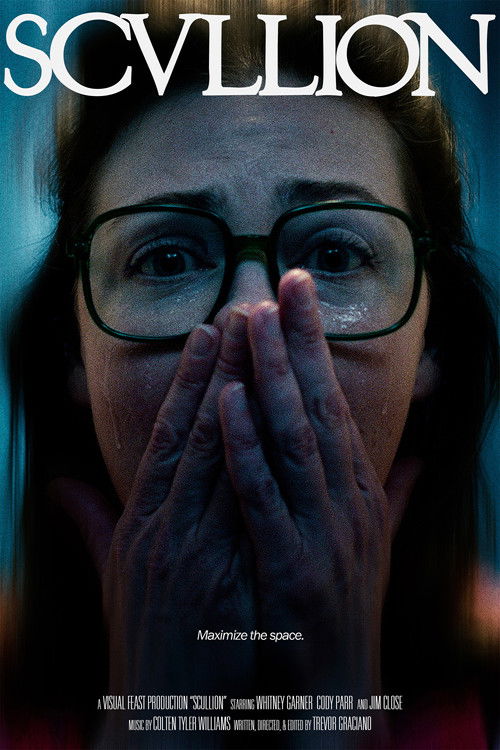
Scullion (2026)
Directed by Trevor Graciano
Yes · Woke
How we score movies →Consciousness Markers
The film's core structural conceit involves casting low-vision actors and positioning the audience in the perceptual perspective of a blind protagonist. This represents neurodivergence as a fundamental narrative and sensory choice.
The film features an all low-vision cast, representing genuine inclusive casting rather than token diversity. This goes beyond representation to fundamentally shape narrative and audience experience.
The domestic kitchen setting and exploration of household labor carry subtle gender commentary, though this emerges more from narrative context than explicit thematic engagement.
The exploration of domestic labor and household exploitation contains faint anti-capitalist undertones regarding the value of invisible work, but this is not a primary thematic focus.
The film appears to let its formal choices and narrative structure speak for themselves rather than explicitly spelling out social commentary, minimizing preachy tone.
No discernible LGBTQ+ themes or representation are evident in the available information about this film.
No clear racial consciousness or deliberate racial commentary is apparent in the film's premise or available descriptions.
Climate themes are entirely absent from this intimate domestic horror story set within a kitchen.
Body positivity does not appear to be a relevant theme in this horror short film.
No historical revisionism or reframing of historical events is present in this contemporary horror narrative.
Synopsis
A playful couple test their household chore habits and unknowingly summon a vengeful presence.
Why it received this score
Scullion represents a curious inflection point in contemporary horror cinema, one where formal innovation and social consciousness align almost accidentally. The decision to cast exclusively low-vision actors and structure the film around audio-centric storytelling is not mere representation theater. Rather, it constitutes a fundamental reimagining of how horror operates as a sensory experience. Where most horror films deploy visual shocks and gore, Scullion forces us into blindness, making the unknown genuinely unknown in a way that transcends the merely symbolic.
The kitchen setting, that most domestic of spaces, becomes a site of subtle class commentary. Household chores carry the weight of invisible labor, of exploitation dressed up as intimacy. The vengeful presence that emerges from this mundane testing of domestic habits suggests that something sinister lurks beneath the playful surface of couple dynamics. Whether this commentary is intentional or merely emergent from the narrative structure remains ambiguous, but the ambiguity itself is productive.
Yet the film stops short of full cultural saturation. The neurodivergence represented here is specific and genuine, but it exists within a genre framework that predates contemporary progressive sensibilities by centuries. The social consciousness on display is real but restrained, content to let formal choices speak for themselves rather than insisting on their political import. This restraint, paradoxically, may be precisely what makes the film's approach to disability representation more credible than more explicitly preachy efforts.
Analysis generated by our Consciousness Algorithm