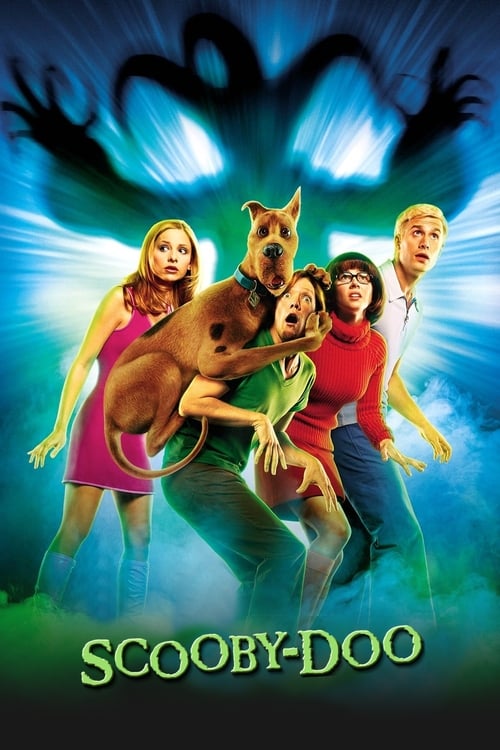
Scooby-Doo (2002)
Directed by Raja Gosnell
No · Ultra Based
How we score movies →Consciousness Markers
The cast includes actors of various racial and ethnic backgrounds, with Miguel A. Núñez Jr. and others present, but the diversity appears incidental rather than intentional or celebrated.
The villain operates an amusement park with questionable motives, but the film shows no systemic critique of capitalism or wealth inequality.
No LGBTQ representation or themes present in the film.
While Daphne and Velma are present, the film contains no engagement with feminist themes or critique of gender dynamics.
Despite a diverse cast, the film shows no awareness of or engagement with racial themes or consciousness.
No climate or environmental themes present in the narrative.
No body diversity or body positivity messaging; characters conform to conventional standards.
No representation or discussion of neurodivergence.
No historical revisionism or engagement with historical narratives.
The film contains no preachy messaging or lecture-like delivery of social commentary.


Synopsis
When the Mystery Inc. gang is invited to Spooky Island, a popular amusement park, they soon discover that the attractions aren't the only things that are spooky. Strange things are happening, and it's up to Scooby, Shaggy, Fred, Daphne, and Velma to uncover the truth behind the mysterious happenings.
Why it received this score
The 2002 Scooby-Doo adaptation represents a straightforward translation of cartoon source material into live-action form, executed with minimal pretension and even less cultural self-consciousness. The film assembles a racially diverse cast, though diversity appears incidental to the narrative rather than intentional. The ensemble includes characters of various backgrounds, but none of the plot mechanics, dialogue, or thematic content draws attention to or explores these differences in any meaningful way. It is simply the case that some characters happen to be played by actors of color.
The film contains no discernible engagement with progressive social themes. No examination of gender roles emerges from the narrative, despite Daphne and Velma occupying traditionally female positions within the team. Climate change, economic systems, neurodiversity, historical revision, and LGBTQ representation remain entirely absent from consideration. The villain's scheme involves fairly generic corporate villainy, but the film shows no interest in critiquing capitalism or systemic power structures. Body diversity likewise receives no attention; the characters conform to conventional action-comedy physiques and attractiveness standards.
What we have instead is a film designed purely for entertainment, constructed without reference to contemporary cultural conversations. Whether this constitutes a strength or a limitation depends on one's perspective, but from the standpoint of measuring cultural awareness and progressive sensibilities, the result is decidedly minimal.
Analysis generated by our Consciousness Algorithm
Critic Reviews
“You don't want to love this, but you will. Although Scooby-Doo falls far short of becoming the "Blazing Saddles" of Generations X, Y and Z, it is hard to resist in its moronic charms.”
“No serious film fan could stomach the cheap gags and farting contests in this goofball tribute. I laughed myself stupid anyway.”
“At least the 20 people who saw it with me -- found it hysterically funny. On the other hand, they all seemed pretty stoned.”
“Warner Bros. is presumably aiming this movie not at children but at full-grown dopers with bad munchies glued to the Cartoon Network. Dude, pass the Scooby snacks.”