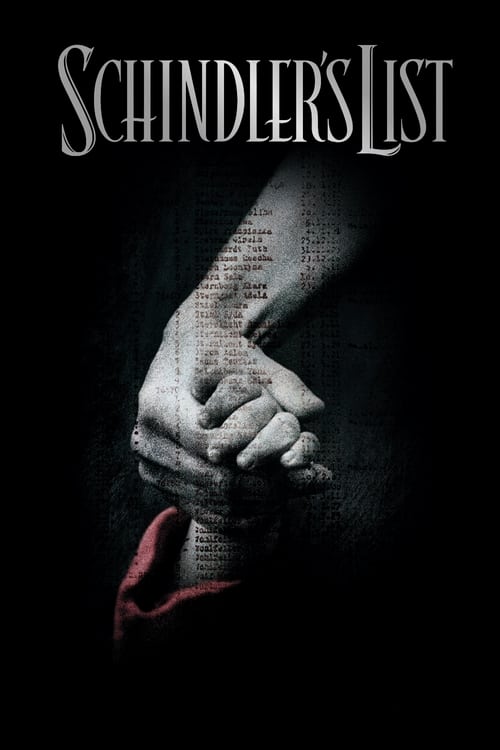
Schindler's List (1993)
Directed by Steven Spielberg
No · Ultra Based
How we score movies →Consciousness Markers
The film engages deeply with antisemitism and Jewish persecution, but approaches this as historical documentation of atrocity rather than contemporary racial consciousness frameworks. The perspective remains largely that of the perpetrator and rescuer.
The diverse cast reflects historical reality rather than deliberate contemporary casting choices. Jewish actors and international performers are employed, but this reflects the film's subject matter rather than modern representation principles.
The film portrays Schindler's exploitation of slave labor while ultimately emphasizing his moral conversion. There is no systemic critique of capitalism or economic exploitation.
The film trusts visual and emotional power to convey its message rather than explicit exposition. There is minimal preachy lecturing, though some scenes contain dialogue conveying moral lessons.
Female characters exist in the narrative but function primarily as supporting roles. There is minimal engagement with feminist themes or consciousness.
The film dramatizes historical events for narrative effect but does not fundamentally revise history. It simplifies moral complexity rather than rewriting historical facts.
No LGBTQ themes or representation appear in the film. The narrative contains no such content.
No climate or environmental themes appear in this historical war drama.
Body positivity is not a theme in this Holocaust drama. The film depicts physical suffering and deprivation without contemporary body consciousness frameworks.
Neurodivergence representation does not appear in the film.


Synopsis
The true story of how businessman Oskar Schindler saved over a thousand Jewish lives from the Nazis while they worked as slaves in his factory during World War II.
Why it received this score
Schindler's List remains a profound moral statement on human dignity and the Holocaust, yet it arrives at these truths through narrative and emotional power rather than contemporary social consciousness frameworks. Spielberg's 1993 epic addresses grave historical injustice with unflinching seriousness, but its approach predates the specific cultural markers we associate with modern progressive sensibility. The film centers Jewish suffering and survival, employs a diverse cast reflecting historical reality, and positions empathy as its moral foundation. However, the film views the Holocaust through the lens of individual heroism and moral awakening rather than systemic analysis or structural critique.
The film's critical limitation lies not in what it says about fascism and genocide, which remains devastating and necessary, but in its narrative structure. By centering Schindler's redemptive arc and moral transformation, the film inevitably foregrounds the perpetrator's perspective. This is not a modern progressive sensibility but rather a classical humanist approach that trusts individual conscience as the mechanism of change. The Jewish characters, though portrayed with dignity, function partially as the catalyst for the white protagonist's moral education. Contemporary critics have noted this limitation, observing that the film presents a somewhat simplified moral binary of good and evil rather than exploring systemic dehumanization.
In terms of our specific cultural markers, the film scores low because it was created before these frameworks existed in their current form. It is a morally serious work about historical atrocity, but moral seriousness does not equal contemporary progressive cultural consciousness. The representation present reflects historical accuracy rather than deliberate diversity casting choices. There is no material engagement with LGBTQ themes, climate consciousness, or neurodivergence. The film does not lecture its audience so much as show them horror and human compassion in response to it. This is cinema of witness, not advocacy.
Analysis generated by our Consciousness Algorithm
Critic Reviews
“What is surprising is how well Spielberg captures the horror, moving his camera with the fury of a combat photographer on the run. [17 Dec 1993]”
“The other key part is Schindler's Jewish accountant, played with self-effacing brilliance by Ben Kingsley, who gives the movie just the touch of warmth and sanity it needs.”
“Director Steven Spielberg has achieved something close to the impossible--a morally serious, aesthetically stunning historical epic that is nonetheless readily accessible to a mass audience.”
“A ruthlessly unsentimental portrait of a German war profiteer's epiphany that inspires neither sorrow nor pity, but a kind of emotional numbness.”