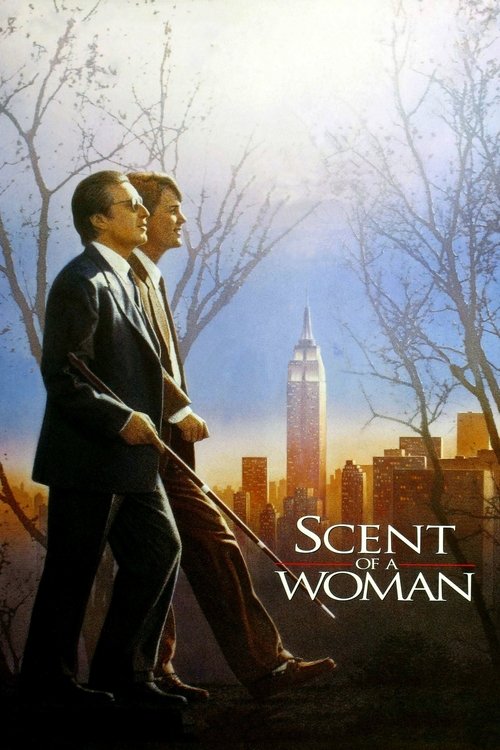
Scent of a Woman (1992)
Directed by Martin Brest
No · Ultra Based
How we score movies →Consciousness Markers
The cast is predominantly white with no apparent diversity casting strategy or thematic engagement with representation.
No LGBTQ+ characters, relationships, or thematic content present in the film.
The narrative is male-centered with peripheral female characters and no feminist thematic engagement.
No racial themes or consciousness explored in the film's narrative or character development.
No environmental or climate-related themes present in the film.
While the film depicts class difference, it does not critique capitalism or advocate systemic economic change.
The protagonist's blindness is treated as a personal tragedy and source of dramatic conflict rather than bodily difference to celebrate.
Disability is portrayed as a limitation and obstacle rather than as neurodivergence or difference to be affirmed.
The film contains no historical revisionism or reinterpretation of historical events.
The narrative is character-driven and dramatically focused rather than preachy or pedagogical in approach.


Synopsis
Charlie Simms is a student at a private preparatory school who comes from a poor family. To earn the money for his flight home to Gresham, Oregon for Christmas, Charlie takes a job over Thanksgiving looking after retired U.S. Army officer Lieutenant Colonel Frank Slade, a cantankerous middle-aged man who lives with his niece and her family.
Why it received this score
Scent of a Woman arrives from an era when such concerns were barely conceptual, let alone cinematically urgent. This is a 1992 character study about a blind Army officer and a prep school student, focused entirely on their interpersonal drama and the moral questions surrounding honor and integrity. The film won an Academy Award for Al Pacino's performance, a recognition of acting craft rather than cultural progressivism. The narrative engages with class difference insofar as one character is poor, but this backdrop serves the personal story rather than any systemic critique. The female characters exist in the periphery, serving the male-centered narrative without thematic weight. The film's treatment of blindness as tragedy and limitation, while dramatically effective, operates in a register entirely foreign to contemporary sensibilities about disability representation. There is no evidence of engagement with any of the specific markers of modern progressive cultural consciousness that have become culturally salient since the mid-2010s. We are observing a professional drama from before the cultural moment this taxonomy attempts to measure.
Analysis generated by our Consciousness Algorithm
Critic Reviews
“But it's essentially a tour de force for Pacino, and he sustains us through the slow passages by working with a closed-in intensity that turns each scene into a kind of mini-movie complete with its own ticking time bomb. [23Dec1992 Pg. 1]”
“By the end of Scent of a Woman, we have arrived at the usual conclusion of the coming-of-age movie, and the usual conclusion of the prep school movie. But rarely have we been taken there with so much intelligence and skill.”
“If there's anything special about the film, it's that on this occasion, the emotional realism of the characters, especially Slade, is heartwrenchingly believable.”