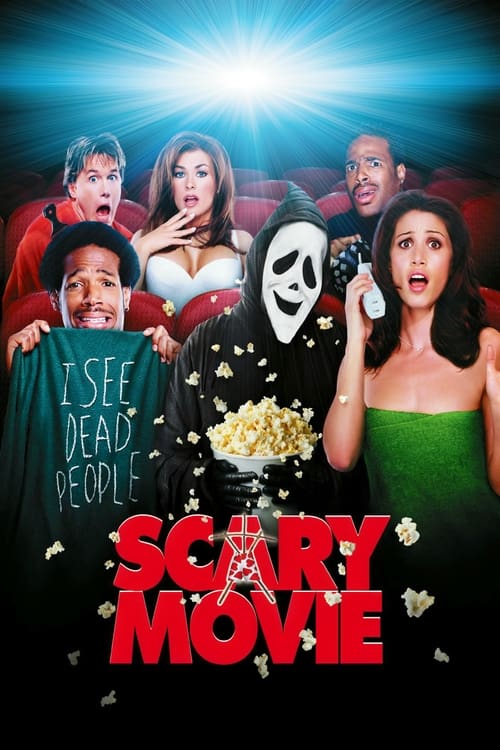
Scary Movie (2000)
Directed by Keenen Ivory Wayans · $103.6M domestic
No · Ultra Based
How we score movies →Consciousness Markers
The cast is predominantly Black, which was notable for mainstream comedy in 2000, but this appears incidental rather than intentional representation. The film makes no statement about this casting choice.
No LGBTQ+ themes, characters, or commentary present in the film.
Female characters are portrayed through the lens of horror film tropes without critique. No feminist agenda or commentary about gender dynamics.
No exploration of racial themes or consciousness despite the predominantly Black cast. The film treats race as invisible.
No climate-related themes, messaging, or environmental consciousness evident.
No critique of capitalism, wealth inequality, or systemic economic structures.
No body positivity messaging or commentary on body diversity and acceptance.
No representation or discussion of neurodivergence or mental health conditions.
No historical reframing or revisionist historical narrative present in a parody of contemporary horror films.
The film maintains a purely comedic tone without preachy messaging or lecture-like delivery of social lessons.


Synopsis
A familiar-looking group of teenagers find themselves being stalked by a more-than-vaguely recognizable masked killer! As the victims begin to pile up and the laughs pile on, none of your favorite scary movies escape the razor-sharp satire of this outrageously funny parody!
Why it received this score
Scary Movie arrives as a straightforward parody of slasher horror films, wielding its satire with all the subtlety of a rubber knife. The film makes no pretense of engaging with contemporary social consciousness or progressive sensibilities. It exists purely in the realm of physical comedy, film reference humor, and broad genre satire. The cast happens to be predominantly Black, but this is incidental to the film's purpose rather than the result of any deliberate statement about representation or cultural awareness.
The Wayans brothers and their collaborators were chiefly interested in mocking the conventions of late-1990s horror cinema, particularly the Scream franchise and its imitators. There is no evidence of intentional commentary regarding gender dynamics, racial structures, or any social system. The humor derives from exaggeration of established tropes and absurdist physical comedy. When a female character is particularly sexualized or objectified, it serves the parody of horror film conventions rather than any critique of those conventions.
In the context of modern cultural sensibilities, Scary Movie registers as a pre-woke artifact. It was made by comic sensibilities honed on sketch comedy and stand-up rather than informed by the cultural frameworks that emerged in the 2010s and 2020s. This is not a moral failing, merely a historical fact. The film is exactly what it set out to be: a funny genre parody with no aspirations toward social consciousness.
Analysis generated by our Consciousness Algorithm
Critic Reviews
“While undeniably silly and violent in a cartoon-like manner, is by and large a hilarious skewering of the clichés of teen pix.”
“It's very funny and - at times - even witty in a crude, drunken frat-boy-with-an-epiphany kind of way.”
“I'd rather have a testicular nail-gun mishap than sit through this migraine-inducing train wreck of a film one more time.”