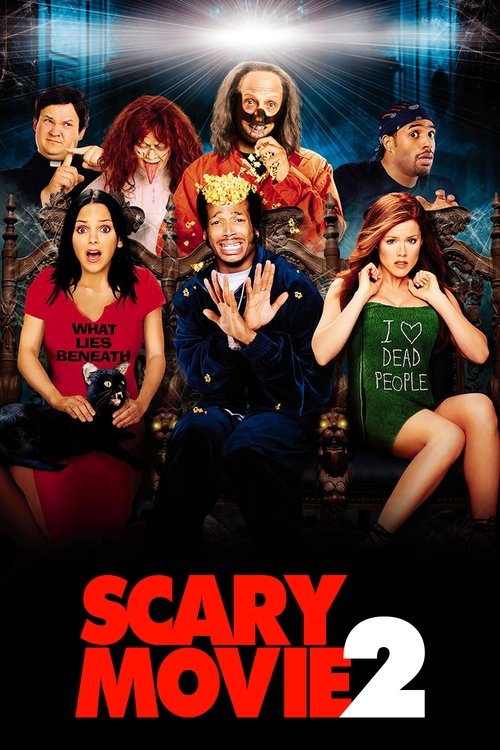
Scary Movie 2 (2001)
Directed by Keenen Ivory Wayans
No · Ultra Based
How we score movies →Consciousness Markers
The film features a diverse ensemble cast with prominent roles for Black comedians, but this diversity serves primarily as a vehicle for stereotype-based humor rather than meaningful representation.
While the film features Black comedians, the humor frequently relies on racial caricature and dialect-based comedy that plays on stereotypes rather than challenging them.
Female characters exist in the film but are largely treated as objects of ridicule or romantic interest with minimal agency or development.
The film occasionally breaks character to comment on horror movie conventions, though this is comedic rather than preachy in nature.
No LGBTQ themes, characters, or representation are present in this haunted house parody.
No climate-related themes, messaging, or environmental consciousness appears in this film.
The film contains no anti-capitalist messaging, class critique, or examination of wealth inequality.
Body positivity or acceptance of diverse body types is not a theme in this comedy, which relies on physical humor without progressive intent.
No neurodivergent characters or themes related to neurodiversity appear in the film.
As a contemporary parody film, Scary Movie 2 contains no historical narrative or revisionist engagement with the past.


Synopsis
While the original parodied slasher flicks like Scream, Keenen Ivory Wayans's sequel to Scary Movie takes comedic aim at haunted house movies. A group of students visit a mansion called "Hell House," and murderous high jinks ensue.
Why it received this score
Scary Movie 2 is a product of its time in ways that would make contemporary viewers squirm with the intensity of someone discovering their teenage diary. Released in 2001, this haunted house parody operates on a comedic register that prizes shock value and racial caricature above all other considerations. The film does feature a diverse cast, with Black comedians carrying much of the comedy, but this casting choice exists primarily to enable rather than subvert stereotype-based humor. Marlon Wayans and Shawn Wayans trade in the kind of exaggerated physical comedy and dialect humor that trades on racial difference for laughs. The film's approach to representation is fundamentally extractive, using the presence of Black actors as cover for comedy that relies on reductive characterization.
What little progressive elements the film possesses arrive almost by accident. The female characters, while not treated with particular dignity, are at least present and active rather than purely decorative, though they function mainly as straight women to the male comedians' antics. There is no meaningful engagement with feminist themes, LGBTQ representation, climate concerns, anti-capitalist sentiment, body positivity, neurodivergence, or revisionist history. The film is a straightforward parody of haunted house movies, concerned only with generating laughs through crude humor and celebrity cameos.
By the standards of 2001 mainstream comedy, Scary Movie 2 was neither ahead of nor behind its cultural moment. It represents a particular strain of comedy that has aged poorly, revealing itself as dependent on shock and stereotype rather than wit or originality. The film's modest progressive credentials amount to little more than representation without consciousness, a distinction that matters considerably when evaluating cultural products through any framework concerned with social awareness.
Analysis generated by our Consciousness Algorithm
Critic Reviews
“The Wayanses can be crude beyond crude, but they're so clever that their inventiveness takes the place of taste.”
“Most of it is incredibly, gleefully crude and tasteless, but it is also good-natured and harmless, and there's a pretty good chance you'll find yourself laughing.”
“It's a lot more tightly focused than the first outing, and for fans of the demented comedy of Elliott and Cross, or the thespian chops of Woods (a last-minute replacement for an ailing Marlon Brando), it's worth putting up with humor that's the filmic equivalent of a big, spit-soaked raspberry.”
“The Wayans brothers' new bottom-feeder signals its utter exhaustion -- and barely veiled contempt for the audience.”