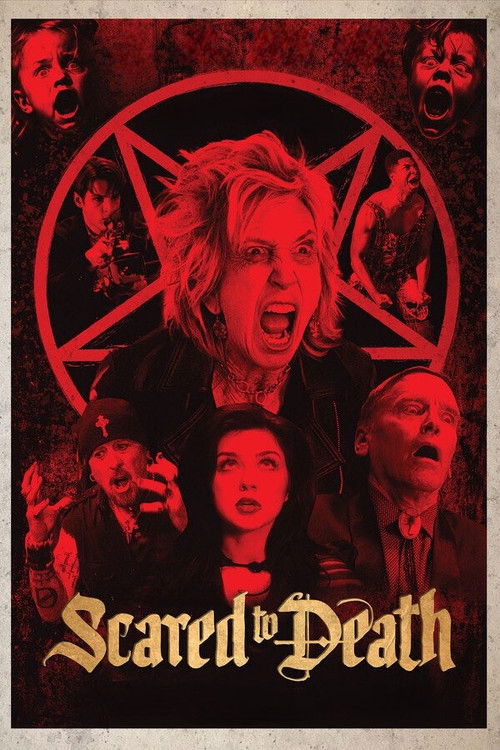
Scared to Death (2026)
Directed by Paul Boyd
No · Ultra Based
How we score movies →Consciousness Markers
The cast includes actors of various backgrounds and ages, with Lin Shaye as the lead authority figure. However, this appears to reflect natural casting for a horror-comedy rather than any deliberate commitment to representation.
The film's focus on filmmaking and production dynamics tangentially touches on industry pressures and exploitation of crew members, but does not mount any systematic critique of capitalism or corporate power.
Lin Shaye's character Max is positioned as an authoritative director figure, which inverts traditional gender hierarchies in horror, but this appears incidental to the meta-textual premise rather than ideologically motivated.
The cast includes actors of color, but the film shows no evidence of engaging with racial themes or systemic racial critique in its narrative or thematic concerns.
The meta-textual approach to horror filmmaking carries some self-aware commentary about the genre, but this falls short of preachy messaging or moral instruction.
While characters are noted as suffering from PTSD, this appears as plot device rather than nuanced exploration of neurodivergence or mental health representation.
No evidence of LGBTQ+ themes or characters in available plot descriptions or critical reception.
Climate themes are entirely absent from the film's premise, plot, and available critical discussion.
No evidence of body positivity themes or deliberate representation of diverse body types in the available information about the film.
The film is a contemporary horror-comedy with no historical setting or revisionist historical elements.
Synopsis
Jasper, a young filmmaker, seizes a chance to direct when his crew attends a séance in a haunted children's shelter. Trapped inside, they're haunted by ghostly orphans and a sinister force.
Why it received this score
Paul Boyd's "Scared to Death" operates as a self-aware genre exercise, a film concerned with the mechanics of horror filmmaking rather than interrogating its own cultural positioning. The cast includes several established character actors of varying backgrounds, but their presence serves the narrative function of the story (a film crew trapped in a haunted location) rather than representing any considered approach to representation. Lin Shaye, a veteran of numerous horror productions, plays Max, the tough director character, which trades on established genre iconography rather than exploring new terrain.
The film's meta-textual approach to horror cinema does brush against themes of trauma and PTSD among its characters, which carries some contemporary consciousness, but this remains in service to the plot mechanics rather than representing any systemic critique. The haunted children's shelter setting, while potentially fertile ground for examining institutional failures, instead functions as pure Gothic backdrop. There is no evidence of the film mounting arguments about systemic injustice, environmental crisis, corporate malfeasance, or any other marker of modern progressive sensibility. The irreverent tone noted in promotional materials suggests the film is primarily interested in entertaining its audience through genre subversion.
The critical reception reveals a film that divided observers, with some praising its affectionate approach to horror tropes while others found it tedious. The essential question of whether "Scared to Death" engages with contemporary social consciousness at all appears to answer itself. This is a horror-comedy that knows what it is, and what it is does not include wrestling with the cultural anxieties that define modern progressive cinema.
Analysis generated by our Consciousness Algorithm