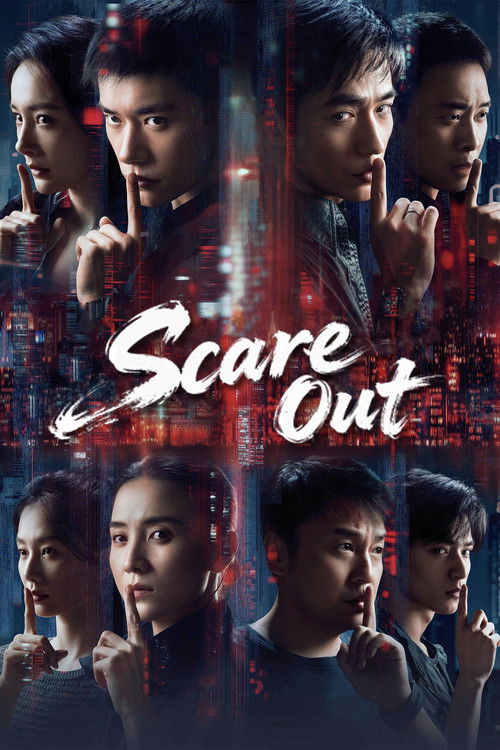
Scare Out (2026)
Directed by Zhang Yimou
No · Ultra Based
How we score movies →Consciousness Markers
The film functions as state security propaganda, delivering nationalist messaging about loyalty, surveillance, and institutional authority. It preaches institutional virtue rather than progressive social consciousness.
The cast is predominantly Asian and Chinese, reflecting the domestic market. While there are female actors present, they appear incidental to the thriller narrative rather than representing a conscious diversity initiative.
Female characters exist in the ensemble cast but occupy supporting roles. The film is primarily concerned with masculine power dynamics within the security apparatus.
The film depicts a racially homogeneous security team with some white characters in supporting positions. There is no interrogation of racial dynamics or systemic inequality.
The film presents a nationalist framing of contemporary Chinese state security operations without historical interrogation or revisionism, though it does celebrate current institutional narratives.
No LGBTQ+ themes, representation, or content appears in this state security thriller focused on internal espionage.
Climate themes are entirely absent from this contemporary spy thriller centered on national security operations.
The film celebrates state authority and the security apparatus rather than questioning capitalist or hierarchical power structures. It reinforces existing institutional power.
Body positivity messaging is not present. The film focuses on espionage and psychological tension rather than bodily representation or acceptance.
No neurodivergent representation or themes appear in this conventional spy thriller narrative.
Synopsis
After a critical intelligence leak, a national security unit launches an intensive investigation. But successive setbacks in their arrest operations reveal a shocking truth: the trail leads back to within the unit itself. Amidst a storm of trust and betrayal, a silent battle begins to unfold.
Why it received this score
Zhang Yimou's "Scare Out" is a masterwork of nationalist cinema, which is to say it is a film designed to make viewers feel appropriately deferential toward the institutions that protect them. Produced under the explicit guidance of China's Ministry of State Security, it functions as a recruitment brochure disguised as a thriller. The plot concerns a leak of classified information, leading to a paranoid investigation within a security unit, and the film treats this premise with the gravity one might reserve for a treatise on constitutional governance. Characters suspect one another. Loyalties are questioned. The state apparatus proves resilient. We are meant to find this reassuring.
The cast is a respectable ensemble of contemporary Chinese actors, predominantly male and uniformly committed to the proposition that institutional authority is fundamentally trustworthy once internal traitors are eliminated. Song Jia and Yang Mi provide female representation in a supporting capacity, though their presence serves the narrative rather than interrogating gender dynamics within security hierarchies. The film contains no LGBTQ+ themes, no climate consciousness, no body positivity, no disability representation. It is austere in its ideological purity. There is no suggestion that capitalism requires critique, that the state surveillance apparatus might warrant skepticism, or that marginalized communities face systemic barriers. The only consciousness on display is nationalistic consciousness, which is to say the consciousness of power congratulating itself.
The film's modest box office performance (second place during the Spring Festival with 864 million yuan) suggests audiences may have found it antiseptic. Critics noted the absence of Yimou's usual sensuous visual language, replaced instead with the sterile competence of a procedural. One might argue that this is precisely the point: the film's aesthetic reflects its ideological content. It is all apparatus and no poetry. It celebrates the machinery of state authority with the deadpan sincerity of an instruction manual. We must respect the commitment to the craft of propaganda, even as we recognize it for what it is.
Analysis generated by our Consciousness Algorithm
Critic Reviews
“From the off, Scare Out offers a constant flurry of aerial footage, snappy edits and jump cuts back and forth between the black-clad spies, at first under command of Huang Kai (Zhu Yilong).”
“"Scare Out" still concludes with one of a handful of awkward ballads, featuring didactic lyrics that spell out the movie's themes of personal turmoil and self-sacrifice.”
“Thankfully, 'Scare Out' outgrows its gimmicks and builds into an interesting espionage thriller that threatens to be better than it eventually proves to be.”
“Discover reviews, ratings, and trailers for Scare Out on Rotten Tomatoes. Stay updated with critic and audience scores today!”