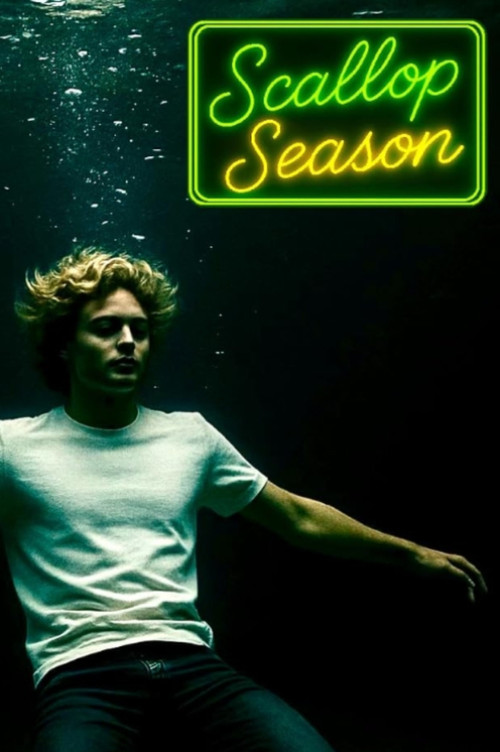
Scallop Season (2026)
Directed by James Bartolomeo
No · Ultra Based
How we score movies →Consciousness Markers
The ensemble includes Jose Miguel Vasquez alongside a predominantly white Florida Gulf Coast cast, reflecting the region's demographic reality. No documented intentionality or discourse around representation surrounds the casting choices.
Lila, the waitress protagonist, functions as an active agent who extends help to a man in crisis, inverting the more traditional damsel dynamic. The film does not appear to frame this as a feminist statement, however.
The protagonist Henry is described as troubled and burdened by a traumatic past, which may touch on mental health. No clinical framing or neurodivergence advocacy appears to be present.
No LGBTQ+ characters, themes, or subtext have been identified in any available materials. The central relationship is between a man and a woman.
No evidence of racial consciousness framing, commentary on systemic racism, or race-aware narrative construction has been found in any source.
The Florida coastal setting is atmospheric rather than polemical. No climate messaging, environmental grief, or ecological urgency appears in any synopsis or coverage.
The story concerns personal trauma and human connection, not economic systems. No critique of capitalism, wealth disparity, or corporate power is present.
No body positivity themes, commentary on appearance, or related discourse has been identified in any available material.
The film is an original contemporary drama with no historical setting or revisionist ambitions. History is not a factor.
Nothing in the available materials suggests the film adopts a sermonizing or instructional posture toward its audience. It appears to be content simply telling a story.
Synopsis
When a mysterious drifter shows up in a Florida coastal town, Lila, a sanguine waitress with a quick smile extends a lifeline. But as she finds herself drawn to the troubled young man, his past catches up with him, leading to a shocking revelation that changes their lives forever.
Why it received this score
There is a certain kind of small American film that simply wants to tell a story about two people in a place, and "Scallop Season" appears, with admirable stubbornness, to be exactly that. A mysterious drifter arrives in a Florida Gulf Coast town. A waitress with a warm disposition offers him something resembling grace. A secret surfaces. This is the whole of it. Director James Bartolomeo, a camera department veteran who has absorbed the grammar of serious American filmmakers, brings his nineteen-year-old son Oliver along as co-writer and lead, which is either a touching act of creative mentorship or the most efficient possible use of a family vacation. Possibly both.
The social consciousness markers here are, to put it plainly, not present. The film does not appear to have an agenda beyond the exploration of guilt, connection, and the specific melancholy of coastal Florida, which has its own ambient sadness without any assistance from progressive messaging. Lila, the waitress, does function as the moral and emotional center of the narrative, extending help to a man in crisis, and one could, with sufficient determination, locate a faint feminist geometry in that arrangement. We have chosen not to do so. The casting reflects the demographics of the Gulf Coast without apparent ideological choreography.
"Scallop Season" premiered at the Gasparilla International Film Festival with zero mainstream controversy, zero documented cultural flashpoints, and zero votes on TMDB. In the current landscape, this last detail may be the most remarkable thing about it. A film about human beings behaving humanly in a specific American place, making no demands on the audience beyond attention. The woke-o-meter, our most sensitive instrument, registers almost nothing. We note this without judgment. We note it, in fact, with a faint and unfamiliar sense of relief.
Analysis generated by our Consciousness Algorithm