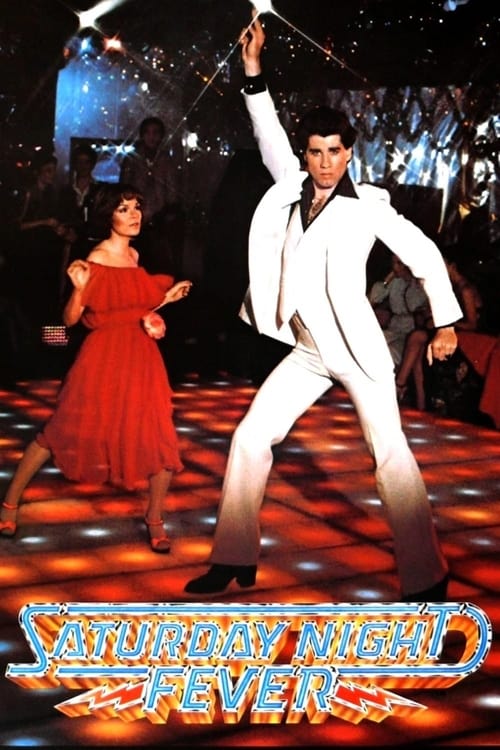
Saturday Night Fever (1977)
Directed by John Badham
No · Ultra Based
How we score movies →Consciousness Markers
Stephanie demonstrates ambition and sexual agency, progressive for 1977, but the film's overall sexual dynamics and male perspective reflect problematic attitudes toward women and consent.
The cast is predominantly white and Italian-American. While working-class characters are represented, the actual racial diversity of 1970s disco culture in New York is not reflected in the film's casting.
The film critiques working-class alienation and depicts economic struggle, but this is social observation rather than systematic anti-capitalist ideology or messaging.
The film does not demonstrate contemporary racial consciousness. While depicting working-class communities, it lacks the self-awareness about racial representation that would characterize modern progressive cinema.
The disco setting has historical LGBTQ+ significance, but the film makes no explicit engagement with LGBTQ+ themes or characters. This remains unexamined.
The film celebrates athletic male bodies and dance, but does not engage with contemporary body positivity frameworks or diverse body representation.
The film is primarily a character study and narrative drama. It does not employ preachy exposition or lecture-like delivery of social messages.
Climate concerns are entirely absent from the narrative and thematic concerns of the film.
Neurodivergence is not a concern addressed in the film's narrative or thematic structure.
The film makes no attempt at historical revisionism or reframing of historical narratives. It is set in the contemporary present of its release.


Synopsis
Tony spends his Saturdays at a disco where his stylish moves raise his popularity among the patrons. But his life outside the disco is not easy and things change when he gets attracted to Stephanie.
Why it received this score
Saturday Night Fever remains a cultural artifact of considerable historical interest, though its progressive credentials are thoroughly rooted in 1970s sensibilities rather than contemporary frameworks. The film presents working-class urban life with unflinching candor, and Stephanie's character possesses intellectual ambition and sexual agency that distinguished her from many female roles of the era. Yet the picture makes no particular effort toward diverse representation, the disco setting's actual LGBTQ+ cultural foundations remain largely unexplored, and the film's sexual content reflects attitudes toward consent and gender dynamics that would face substantial criticism today. The movie functions as a time capsule of pre-contemporary progressive thought: it is humanistic and empathetic, but it does not engage with the specific markers of 2020s cultural consciousness. This is a film about working-class struggle and male alienation, rendered with style and intelligence, but it operates within the philosophical and social frameworks of its own moment rather than reaching toward the progressive sensibilities that would emerge decades later.
Analysis generated by our Consciousness Algorithm
Critic Reviews
“One minute into Saturday Night Fever you know this picture is onto something, that it knows what it's talking about. [15 Oct 1999, Siskel Years, p.6]”
“It's also interesting to see how little screen time the final disco competition really has, considering how large it looms in our memories.”
“Travolta molds what could have been an equally obvious character into a substantial, tragic figure.”
“The clumsy story lurches forward through predictable travail and treacle, separated by phonograph records (or vice versa).”