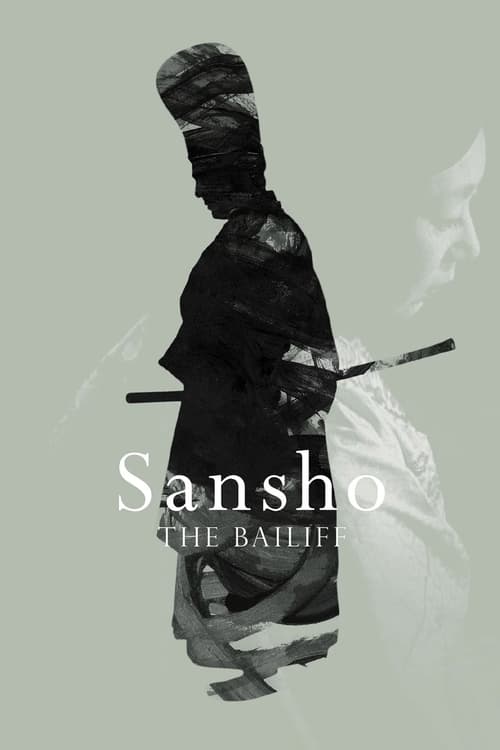
Sansho the Bailiff (1954)
Directed by Kenji Mizoguchi
No · Ultra Based
How we score movies →Consciousness Markers
The film critiques feudal exploitation and the dehumanizing nature of slavery, but this represents period social commentary rather than modern anti-capitalist ideology or class consciousness.
While the mother is a powerful, resilient protagonist, the film does not advance contemporary feminist theory or consciousness-raising about gender. Her suffering is presented as human tragedy rather than as a platform for social commentary.
Mizoguchi trusts his audience to understand the film's moral dimensions through narrative and visual language rather than preachy explanation or explicit messaging.
The cast reflects the historical setting authentically with no consideration for modern diversity principles or representation quotas.
No LGBTQ+ themes, characters, or content are present in the film.
Racial consciousness in the modern sense is not applicable to this medieval Japanese narrative.
No environmental themes or climate-related messaging are present.
Body positivity messaging is entirely absent from the film.
Neurodivergence representation or themes are not present.
The film presents medieval Japanese history with authenticity and period accuracy rather than revisionist reinterpretation.


Synopsis
In medieval Japan, a woman and her children journey to find the family's patriarch, who was exiled years earlier.
Why it received this score
Kenji Mizoguchi's 1954 masterpiece stands as one of cinema's most devastating moral statements, yet it operates entirely outside the framework of contemporary progressive cultural consciousness. The film depicts with unflinching brutality the enslavement of a family in medieval Japan, as a mother and her children are separated and forced into servitude. Kinuyo Tanaka's performance as the mother conveys a dignity that no amount of degradation can diminish, and her journey to reclaim her son constitutes an act of pure human will against systemic cruelty. The film's power derives not from the articulation of ideological positions but from its commitment to showing us suffering in its fullest dimension.
What distinguishes Mizoguchi's approach is his refusal to soften the material or to use it as a vehicle for contemporary moralizing. The film examines exploitation and the dehumanizing nature of feudal systems with the gravity of documentary, yet it remains deeply poetic in its visual language. Every frame serves the narrative rather than any external agenda. The suffering is neither valorized nor aestheticized for sympathy; it simply is, presented to us as the historical reality of human cruelty.
This is a work of humanist cinema. It asks nothing of the viewer except that we bear witness and acknowledge the capacity for both suffering and grace within the human spirit. In the vocabulary of modern cultural criticism, such restraint and such faith in narrative integrity register as nearly invisible. The film is not interested in instructing us about injustice; it trusts that we will understand.
Analysis generated by our Consciousness Algorithm
Critic Reviews
“Told with the stark simplicity of a fairy tale, Sansho The Bailiff demonstrates how compassion can overcome the forces of hatred and oppression, and shows how trying it is to remain decent and humane in an inhospitable world. ”
“At some point during the watching, "Sansho the Bailiff" stops being a fable or a narrative and starts being a lament, and by that time it is happening to us as few films do.”
“This is one of the greats, and I’m too much in awe of it to say much more than: See it—as often as you can. ”
“The film has the heft of Shakespearean tragedy, but a more generous cosmic outlook. Maternal love goes a long way. [14 Mar 2015, p.10]”