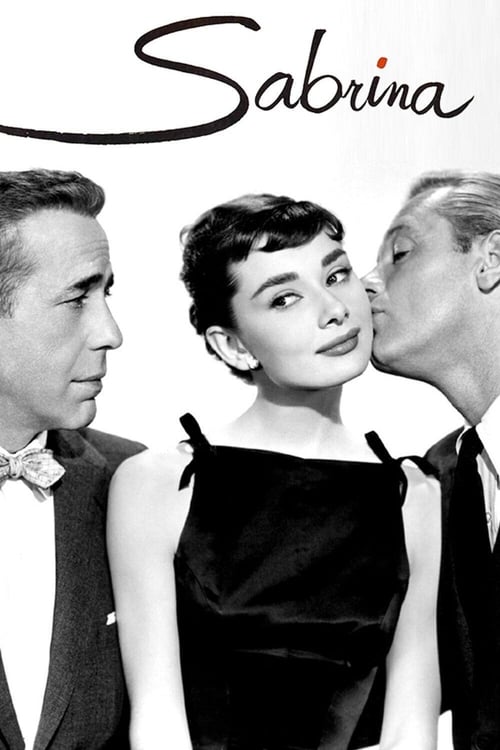
Sabrina (1954)
Directed by Billy Wilder
No · Ultra Based
How we score movies →Consciousness Markers
Sabrina has agency and travels independently, yet her arc centers on self-transformation to become romantically worthy of a man, rather than challenging patriarchal structures or female autonomy.
The film acknowledges class disparity between wealthy family and servant class, but presents no critique of capitalism or wealth inequality. Class difference is treated as natural backdrop.
The cast reflects the wealthy white upper-class world depicted. No evidence of deliberate diverse representation as a contemporary progressive gesture.
No LGBTQ+ themes, characters, or subtext present in the narrative.
No engagement with racial themes or consciousness. The film is entirely situated within a white, affluent world without interrogation.
No climate-related themes or environmental consciousness present.
No body positivity messaging. The film is entirely conventional in its presentation of physical attractiveness and beauty standards.
No representation of or engagement with neurodivergent characters or perspectives.
Not a historical film. No attempt at historical revision or reframing of past events.
The film entertains without moralizing. No preachy messaging or explicit social instruction present.


Synopsis
After her return from school in Paris, a playboy finally takes notice of his family's chauffeur's daughter Sabrina, who's long had a crush on him, but he questions his more serious brother's motives when he warns against getting involved with her.
Why it received this score
Sabrina occupies that peculiar position in cinema history of a film that, while concerned with class dynamics, does so from a vantage point thoroughly committed to maintaining the existing social order. The chauffeur's daughter must travel to Paris, acquire continental sophistication, and essentially disguise her origins to become worthy of romantic consideration by a wealthy man. This is not critique. This is aspirational fantasy dressed in Parisian couture. The film's engagement with class is entirely in service of the romance, not as a genuine interrogation of social stratification.
Audrey Hepburn's Sabrina is permitted a kind of agency, certainly, but her trajectory is one of self-improvement through cultural consumption rather than any structural challenge to the hierarchies that initially deemed her unsuitable. She must transform herself, not the system. Billy Wilder was a sophisticated director with genuine wit, yet even his sharp eye for human behavior cannot elevate this into something more than a comfortable affirmation of the status quo. The wealthy brothers remain wealthy. The chauffeur remains the chauffeur. The daughter simply becomes pretty enough, polished enough, European enough to cross an invisible line that was never truly interrogated as unjust.
The social consciousness on display is merely the surface patina of 1950s high-society comedy, a world where class differences exist but are ultimately navigable through the proper accumulation of style and taste. This is not progressive cinema. This is the cinema of people who have never seriously questioned whether their world should exist as it does.
Analysis generated by our Consciousness Algorithm
Critic Reviews
“In our wistful estimation, the most delightful comedy-romance in years.”
“A charming, if often-seen, tale, paced with alacrity by Wilder from the adaptation of Taylor's hit play. [Review of re-release]”
“A slick blend of heart and chuckles makes Sabrina a sock romantic comedy.”
“Billy Wilder's 1954 version of the Samuel Taylor staple was a perfect vehicle for Audrey Hepburn, though the cut is too tight for her costars, Humphrey Bogart and William Holden. [Review of re-release]”