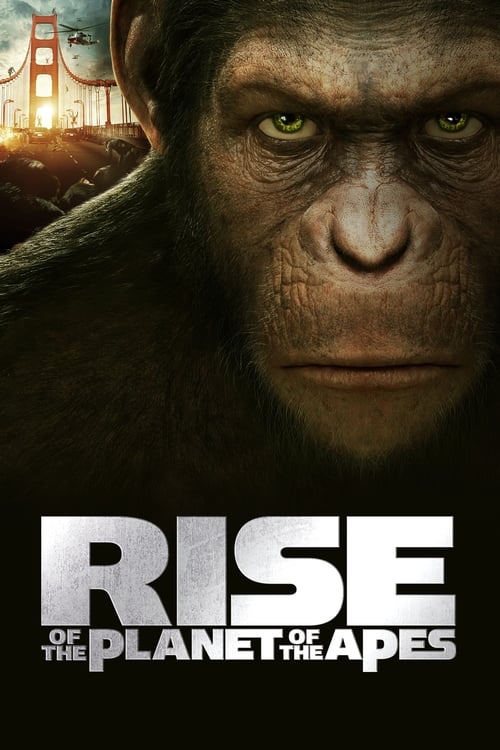
Rise of the Planet of the Apes (2011)
Directed by Rupert Wyatt
No · Ultra Based
How we score movies →Consciousness Markers
Corporate villainy exists in the form of Gen-Sys Biotech, but this represents pre-2015 corporate criticism rather than contemporary anti-capitalist sensibility.
The film occasionally sermonizes about animal cruelty and testing ethics, but lacks the preachy contemporary 'lecture energy' of modern progressive cinema.
The film engages with environmental ethics through its animal rights framework, though not specifically focused on climate activism.
Cast is predominantly white with minimal diversity. Freida Pinto occupies a supporting romantic role without substantial agency in the narrative.
No LGBTQ+ themes, characters, or representation present in the film.
Female characters lack agency and serve primarily as supporting roles. No feminist themes or commentary.
No racial themes, commentary, or racial consciousness demonstrated in the film.
No body positivity themes or commentary present in the film.
No neurodivergent characters or representation in the film.
No historical revisionism or reinterpretation of historical events present.


Synopsis
A highly intelligent chimpanzee named Caesar has been living a peaceful suburban life ever since he was born. But when he gets taken to a cruel primate facility, Caesar decides to revolt against those who have harmed him.
Why it received this score
Rise of the Planet of the Apes is a competent summer blockbuster that happens to contain serious ethical concerns about animal exploitation and corporate malfeasance. The film presents these themes with genuine conviction, depicting primate testing facilities with appropriate grimness and allowing Caesar's uprising to function as justified rebellion against systemic cruelty. Yet the film's moral framework is fundamentally humanitarian rather than aligned with contemporary progressive sensibilities. Its critique of corporate exploitation and animal suffering belongs to a longer tradition of ethical filmmaking that predates our current cultural moment by decades. The film is earnest, never cynical, but also never feels compelled to comment upon the social hierarchies or identity dynamics that would preoccupy modern cinema. James Franco delivers a workmanlike performance as a scientist whose moral awakening drives the narrative forward. The motion capture technology, then cutting-edge, renders Caesar as a sympathetic protagonist whose intelligence and emotional depth invite genuine identification. This technical achievement allows the film to sidestep certain uncomplicated animal representation questions, though such considerations were scarcely on anyone's mind in 2011. What we have here is a pre-woke film engaging with pre-woke ethical concerns, executed with sufficient craft to remain engaging fourteen years later.
Analysis generated by our Consciousness Algorithm
Critic Reviews
“As both a simian simile and a wonder of technology, Rise of the Planet of the Apes deserves to be in the company of the great original "Kong." This year's sixth "origins" story of a fantasy franchise (after The Green Hornet, Thor, X-Men: First Class, Green Lantern and Captain America: The First Avenger) is also the year's finest action movie. ”
“Judged, though, as the action extravaganza it means to be, Rise of the Planet of the Apes wins high marks for originality, and takes top honors for spectacle.”
“Hell, even Heston's performance elicited cheers back in the day. Franco, in a totally, tonally different role, but still the prime human here, is a pale shadow of the ruined future to come.”