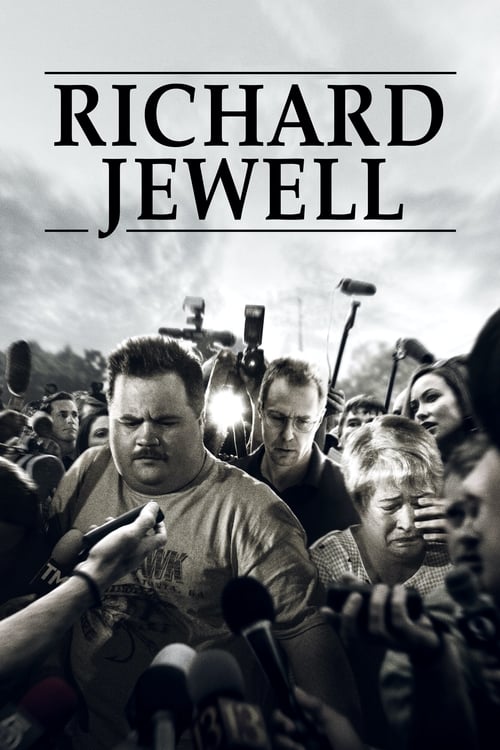
Richard Jewell (2019)
Directed by Clint Eastwood
No · Ultra Based
How we score movies →Consciousness Markers
The film critiques corporate media and sensationalism, but this critique emerges from a conservative skepticism of institutions rather than from anti-capitalist ideology or wealth redistribution themes.
The cast is predominantly white and male. Kathy Bates and Olivia Wilde provide female representation, but the film's central narrative privileges male characters and male perspectives throughout.
Kathy Bates' portrayal of Jewell's mother is sympathetic and humanizing, but the film contains no feminist agenda or critique of gender dynamics. The female characters exist primarily in supporting roles.
Eastwood employs narrative restraint and allows events to communicate moral clarity. The film avoids explicit preachiness, though its critique of institutional failure is evident.
No LGBTQ+ themes, characters, or representation present in the film.
The film is set in Atlanta and depicts the 1996 Olympics, but contains no commentary on race, systemic racism, or racial dynamics despite the historical context.
No climate-related themes or environmental messaging present in the film.
No body positivity framing or representation present in the film.
No representation of neurodivergence, autism, ADHD, or other neurological conditions in the film.
The film tells the Richard Jewell story relatively straightforwardly based on historical events and published accounts, without revisionist reinterpretation of history.


Synopsis
Richard Jewell thinks quick, works fast, and saves hundreds, perhaps thousands, of lives after a domestic terrorist plants several pipe bombs and they explode during a concert, only to be falsely suspected of the crime by sloppy FBI work and sensational media coverage.
Why it received this score
Richard Jewell is Clint Eastwood's 2019 examination of institutional failure, specifically the FBI's mishandling of the 1996 Olympic bombing investigation and the media frenzy that followed. The film treats its protagonist with genuine sympathy while depicting law enforcement and journalism as bungling and self-serving. This is not contemporary progressive cinema. Eastwood's sensibilities here are classically libertarian, skeptical of authority in ways that predate the modern cultural moment. The cast is predominantly white and male, the narrative contains no racial consciousness despite its Atlanta setting, and the critique of media excess comes from a conservative rather than progressive angle.
The film's engagement with social consciousness is minimal and incidental. Kathy Bates delivers a moving performance as Jewell's devoted mother, but the portrayal is traditional rather than revisionist. Olivia Wilde appears as a journalist whose behavior is criticized, but the film does not interrogate gender dynamics or media representation in any systematic way. There are no LGBTQ+ themes, no disability representation, no climate elements, and no body positivity framing. The anti-capitalist sentiment is present only insofar as Eastwood resents corporate media's sensationalism, not from any ideological commitment to wealth redistribution or systemic economic critique.
Eastwood allows his narrative to unfold with minimal preachiness. The moral clarity of the film emerges from events rather than from lecture. This restraint is admirable as filmmaking, but it also means the film lacks the interpretive framework that contemporary progressive cinema would bring to bear. Richard Jewell is a competent biopic about a real injustice, but it remains a story about one man's vindication rather than a meditation on systemic oppression or cultural transformation.
Analysis generated by our Consciousness Algorithm
Critic Reviews
“Jewell is not just a man, but a type, and his story is a warning, not just about the excesses of power, but about our own reflexive assumptions. Paul Walter Hauser gives us the soul of a man that deserved respect even before he did something heroic, but one that people might never have noticed.”
“Yes, this is a great one, and a magnificent centerpiece performance by an unknown actor named Paul Walter Hauser in the title role is a major reason it is so unforgettable.”
“Eastwood once again takes a sharp stab at America’s penchant for attacking first, asking questions later.”
“If Eastwood had extended the sensitivity it shows to Jewell to others, it might have been worth something more. Instead, it becomes just what it preaches against: a hatchet job.”