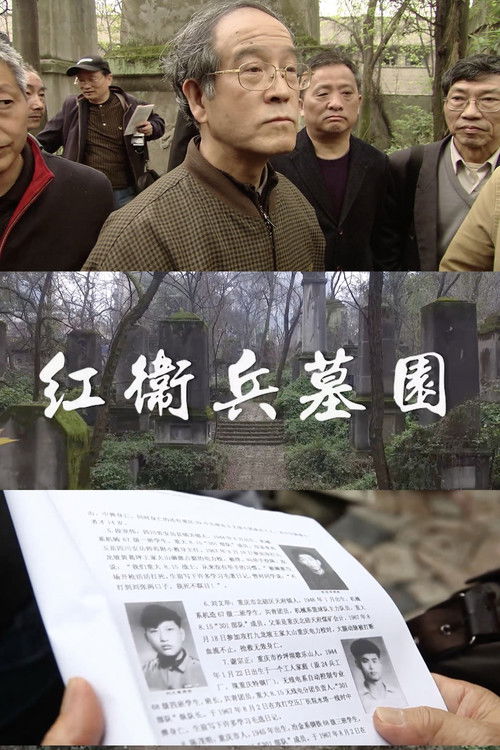
Red Guard Cemetery (2026)
Directed by Unknown
No · Ultra Based
How we score movies →Consciousness Markers
The Cultural Revolution itself was an anti-capitalist purge, but the film appears to document this as historical fact rather than endorsing contemporary anti-capitalist ideology.
The film commemorates a suppressed historical tragedy that was long denied or minimized, which involves historical reclamation rather than contemporary revisionism.
Cast information is unavailable, but the film appears to be a historical drama without apparent focus on contemporary casting diversity initiatives.
As a documentary-style historical drama, the film likely conveys information with a didactic purpose, though this appears restrained rather than preachy.
The film documents victims of violence without apparent gender-focused analysis or feminist reframing of the historical events.
While the film engages with Chinese history and identity, it does not appear to apply modern racial consciousness frameworks to its analysis of the Cultural Revolution.
No indication of LGBTQ+ themes or representation in available information about this historical tragedy film.
No indication of climate-related themes in a film focused on historical political violence and tragedy.
No indication of body positivity messaging in a historical trauma documentary.
No indication of neurodivergence representation or themes in available information about the film.
Synopsis
During the Cultural Revolution, armed clashes between rival "rebel" factions in Chongqing were the most severe in the entire country. Excluding those killed in battle, as many as 1,800 people died in mutual massacres alone. It has been almost 60 years.
Why it received this score
Red Guard Cemetery approaches the Cultural Revolution's brutality in Chongqing with the solemn bearing of a historical monument. The film documents factual atrocities without apparent editorializing, treating its subject matter as a wound requiring commemoration rather than contemporary political instruction. This restraint is admirable, if occasionally mistaken for something it is not.
The work exhibits minimal markers of modern progressive cultural consciousness. There is no identifiable agenda regarding representation, identity politics, or systemic critique framed through contemporary lenses. The film is simply a record of tragedy, which is a legitimate artistic endeavor but not one that engages with the specific constellation of 2020s social awareness frameworks that constitute the cultural phenomenon we are examining. Historical importance and moral gravity do not automatically translate to what we are measuring here.
This is a document of remembrance. Its restraint, while commendable from a historical perspective, means it does not foreground the interpretive apparatus through which modern progressive cinema typically processes historical trauma. The result is a film that honors its subjects through documentation. Whether this represents artistic wisdom or missed opportunity depends on one's view of cinema's role in contemporary discourse.
Analysis generated by our Consciousness Algorithm