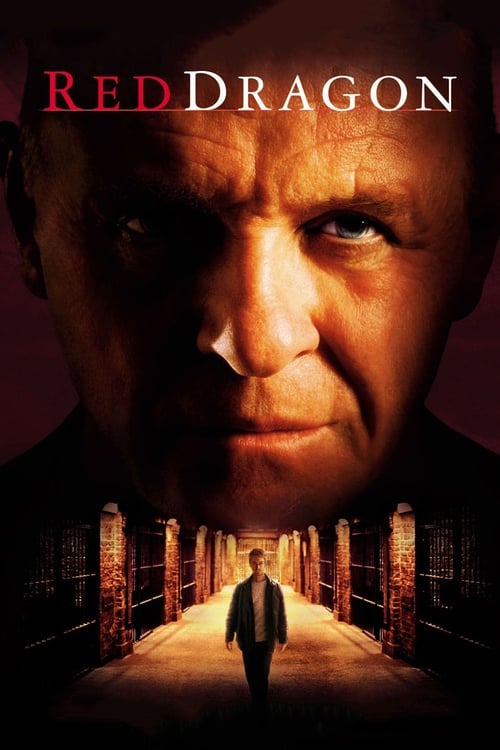
Red Dragon (2002)
Directed by Brett Ratner
No · Ultra Based
How we score movies →Consciousness Markers
While the cast includes diverse actors, there is no evidence of conscious progressive casting or thematic attention to representation. Diversity appears incidental to the narrative.
No LGBTQ+ themes, characters, or representation are present in the film.
The film contains no feminist agenda or examination of gender dynamics. Emily Watson's character serves as a conventional romantic interest.
Despite the presence of actors of color, there is no thematic engagement with racial consciousness or systemic racial issues.
No environmental or climate themes are present in this crime thriller.
The film contains no critique of capitalism or 'eat the rich' messaging. It operates within conventional institutional frameworks.
No body positivity themes or commentary on body image are present in the film.
Despite featuring psychologically complex characters, the film offers no representation of or commentary on neurodivergence.
The film contains no revisionist historical agenda or reframing of historical events.
The film does not pause its narrative to deliver lectures about social issues or systemic problems.


Synopsis
Former FBI Agent Will Graham, who was once almost killed by the savage Hannibal 'The Cannibal' Lecter, now has no choice but to face him again, as it seems Lecter is the only one who can help Graham track down a new serial killer.
Why it received this score
Red Dragon operates as a straightforward genre exercise in criminal psychology, utterly indifferent to the cultural anxieties that would later preoccupy contemporary cinema. The film presents its ensemble of law enforcement professionals without irony or particular concern for demographic representation, treating diversity as a simple fact of institutional composition rather than as a subject worthy of commentary. Edward Norton and Anthony Hopkins exchange methodical dialogue about serial murder while Emily Watson provides the requisite romantic subplot, each element clicking into place with the efficiency of a Swiss watch operated by people who have seen too much.
The film's treatment of its subject matter is notably devoid of modern progressive sensibilities. Violence is presented as a technical problem requiring technical solutions, not as an opportunity for social consciousness or systemic critique. There are no lectures about patriarchal structures enabling predation, no examination of institutional racism within law enforcement, no celebration of bodily autonomy or mental health awareness. The psychologically complex killers are interesting precisely because they resist easy categorization, yet the film makes no attempt to weaponize their psychology in service of contemporary social arguments.
This is a film made in 2002 for audiences who expected their thrillers to be thrillers, unencumbered by the weight of cultural self-examination that would later become standard. It deserves credit for this straightforward approach, though such credit is not what we are here to distribute.
Analysis generated by our Consciousness Algorithm
Critic Reviews
“Audiences will be excused for any feelings of déjà vu the new film might inspire. That won't prevent them from watching it in rapt, anxious silence, however, as the gruesome crimes, twisted psychology and deterministic dread that lie at the heart of Harris' work are laid out with care and skill.”
“This darkly seductive, flawlessly acted piece is worlds removed from most horror films. Here monsters have their grandeur, heroes their gravity. And when they collide, a dance of death ensues between two souls doomed to understand each other.”
“To my surprise, Ratner does a sure, stylish job, appreciating the droll humor of Lecter's predicament, creating a depraved new villain in the Tooth Fairy (Ralph Fiennes), and using the quiet, intense skills of Norton to create a character whose old fears feed into his new ones. There is also humor, of the uneasy he-can't-get-away-with-this variety, in the character of a nosy scandal-sheet reporter (Philip Seymour Hoffman).”
“Red Dragon's formula is so risible and rote by now that the natural reaction to scenes of peril, torture, and suffering is flippant laughter.”