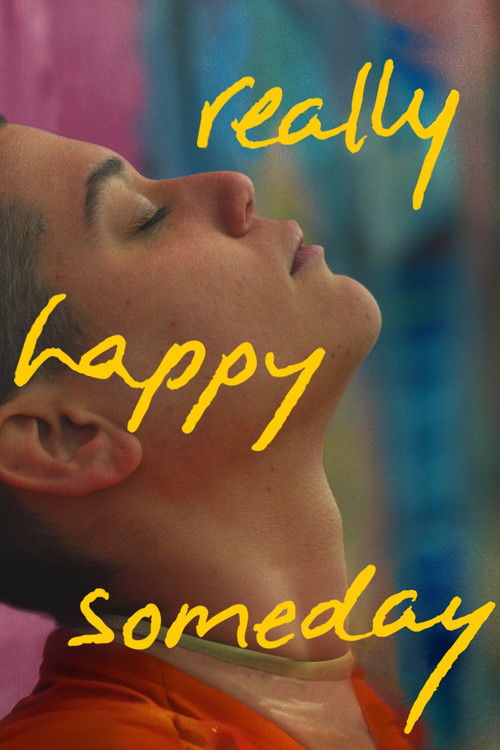
Really Happy Someday (2026)
Directed by J. Stevens
Yes · Woke
How we score movies →Consciousness Markers
The film's entire narrative architecture is a trans transition story, exploring voice dysphoria, gender-affirming care, trans intimacy, and trans self-recognition. It premiered at the Wicked Queer Film Festival and is distributed by Wolfe Video, a dedicated LGBTQ+ distributor. This is not a film that contains LGBTQ+ themes; it is composed of them.
The lead actor, Breton Lalama, is a transmasculine performer playing a transmasculine character, and co-wrote the script from lived experience. The production appears to have been built from the ground up around authentic representation.
Voice and body dysphoria during testosterone-induced transition are central to the plot. The protagonist's arc involves accepting and reclaiming his changed body and voice, which is a specific and earnest engagement with bodily self-acceptance.
The transmasculine protagonist's navigation of gender identity carries implicit feminist valences around bodily autonomy and self-determination, but the film does not appear to foreground a feminist agenda as a distinct thematic layer.
Critics have specifically praised the film for avoiding romanticization and tragic tropes, suggesting a restrained, non-sermonizing approach. A small residual score is warranted given that any film centering gender-affirming care in 2026 carries some inherent advocacy posture.
No evidence from critical reception or research materials indicates that racial consciousness is a thematic concern of this film.
No climate themes are present or suggested in any available material about this film.
No anti-capitalist themes are identified. The film's conflict is personal and identity-driven, not systemic or economic.
No neurodivergence themes are present or referenced in any available material.
The film is a contemporary personal drama with no historical setting or revisionist historical framing.


Synopsis
A rising musical theatre star struggles with his changing voice during his gender transition. With the help of a singing coach, he learns to trust himself, reclaim his career, and reconnect with the people he loves.
Why it received this score
Really Happy Someday arrives as a film so committed to its single thematic lane that it has, in effect, paved that lane, painted it, and installed tasteful signage. The subject is a transmasculine musical theatre performer navigating the vocal upheaval of testosterone therapy, and the film pursues this premise with an earnestness that critics have found disarming. The screenplay, co-written by director J. Stevens and lead actor Breton Lalama from apparent lived experience, has been praised for refusing to romanticize the transition narrative or collapse it into either triumph or tragedy. This restraint is, by the standards of the genre, genuinely unusual. The film seems to understand that a person's relationship with their own voice is not a metaphor waiting to be deployed, but a practical, daily, sometimes frustrating fact.
The LGBTQ+ content here is not incidental or representational in the box-ticking sense. It is the load-bearing wall. Every scene, every relationship, every career setback exists in direct service of one man's gender transition, which places the film in rare company: a production where the progressive content is not applied like a coat of paint but is, in fact, the entire structure. The body positivity score follows logically from this. When your protagonist's central conflict is learning to love a voice he no longer recognizes as his own, you are in body-acceptance territory whether you intend to be or not. The film earns its scores here through specificity, not ideology.
What keeps the lecture energy score mercifully low is the same quality critics keep returning to: the film, by most accounts, does not appear to be arguing. It is depicting. The distinction matters. A film that wants you to understand something is a different instrument from a film that wants you to agree with something, and Really Happy Someday seems, against the odds of its premise and its festival circuit, to be the former. Distributed by Wolfe Video and premiered at the Wicked Queer Film Festival, it will find the audience it is looking for. That audience will, in all likelihood, find it first.
Analysis generated by our Consciousness Algorithm