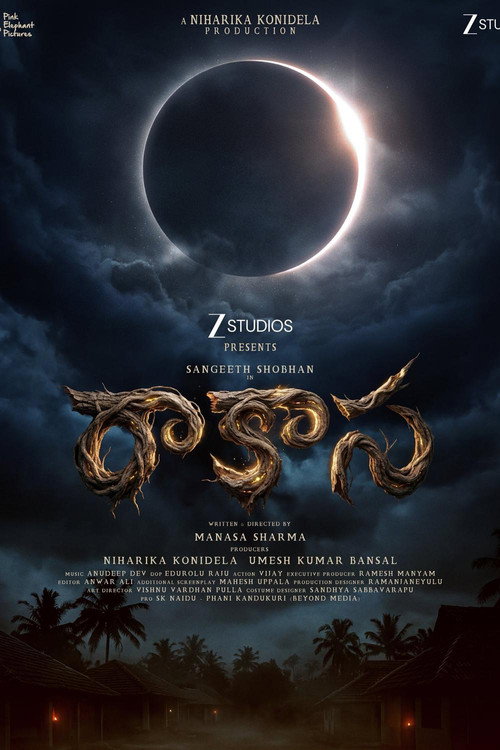
Raakaasa (2026)
Directed by Manasa Sharma
No · Ultra Based
How we score movies →Consciousness Markers
Manasa Sharma directs in her debut, which is a data point worth logging. The narrative itself, however, centers on a male NRI whose romantic ambitions drive the plot, and at least one critic characterized the film's social attitudes as regressive rather than progressive.
A Telugu-language film drawing naturally from its regional talent pool, with no detectable effort to signal demographic virtue through casting. The ensemble exists because this is how Telugu cinema is cast, not because a diversity consultant signed off on it.
No LGBTQ+ themes, characters, or subtext identified. The romantic architecture is strictly a man pursuing a childhood girlfriend, which the film treats as entirely sufficient.
A domestic Indian production operating entirely within its own cultural idiom. No racial consciousness framing detected, nor any reason to expect it.
The ancient darkness in question is folkloric, not meteorological. No climate themes present.
The protagonist is an NRI returned from the USA, a figure whom Indian popular cinema has historically treated as aspirational rather than suspect. No anti-capitalist critique found.
No evidence of body positivity themes or messaging in any available material.
No neurodivergent characters or related themes identified.
The film draws on established Telugu folklore tradition in the manner of Chandamama-era fantasy, positioning itself as a continuation of that tradition rather than a correction of it.
Reviewers noted the film feels conservative in its entertainment positioning, designed for family audiences and children. There is no sermon here, only a monster and some forced humour.
Synopsis
Returning home after a decade, an NRI chasing romance inadvertently awakens an ancient darkness long feared by his village. As the threat intensifies, love turns deadly and life hangs in the balance.
Why it received this score
Raakaasa arrives as a Telugu fantasy-horror-comedy in the tradition of Vittalacharya, which is to say it concerns itself with ancient demons, village folklore, and a young man's romantic inconveniences rather than the redistribution of cultural power. Director Manasa Sharma, making her debut, has cited classic Chandamama-style visual storytelling as her north star, and the film duly delivers fort sequences and supernatural peril aimed squarely at children and their exhausted parents. One Deccan Chronicle critic called it "illogical and regressive," which in the current critical climate reads less as a condemnation and more as a certificate of authenticity.
The film's NRI protagonist returns from America to marry his childhood girlfriend and accidentally summons something terrible, which is a plot structure that has served Indian cinema for decades without requiring ideological augmentation. The cast is drawn from familiar Telugu character actor territory, assembled because they are good at this sort of thing, not because anyone consulted a spreadsheet. The writing is reportedly weak and the humour forced, but these are artistic failures, not moral ones, and this instrument measures only the latter.
On the full battery of progressive markers, Raakaasa registers as essentially inert. A female director earns a token acknowledgment in the feminist column, but the film she has made declines to pursue the implications. Everything else reads zero. In a cultural moment when every second horror film arrives pre-loaded with allegory about systemic oppression, there is a certain austere dignity in a movie that simply wants to show you a monster.
Analysis generated by our Consciousness Algorithm
Critic Reviews
“Raakaasa should give his career a boost. Nayan Sarika once again delivers a neat performance, and it testifies to her versatility. Vennela Kishore adds a lot of entertainment whenever he appears on screen.”
“Raakaasa is an entertaining ride filled with several engaging and enjoyable moments. While the story itself may not feel entirely new, the way the film delivers entertainment, powered by the comic timing of Sangeeth Shobhan, Vennela Kishore, and Getup Srinu, works really well. The slight emotional touch also adds to the overall experience.”
“Raakaasa attempts an ambitious blend of folklore, fantasy, and horror-comedy, but ultimately delivers a mixed bag. The film starts off on a fun note, successfully establishing the eerie village backdrop while delivering solid laughs through the protagonist's arrival and antics. However, as the narrative dives deeper into the supernatural.”
“A cliche gag on 'Brahmins and Biryani' in a film in 2026? No, it's not funny anymore. Overall, Raakaasa, has a few genuinely laugh-out-loud moments, especially in the second half but the lack of freshness in writing and execution, a dull first half along with loud background score, worked against the film.”